
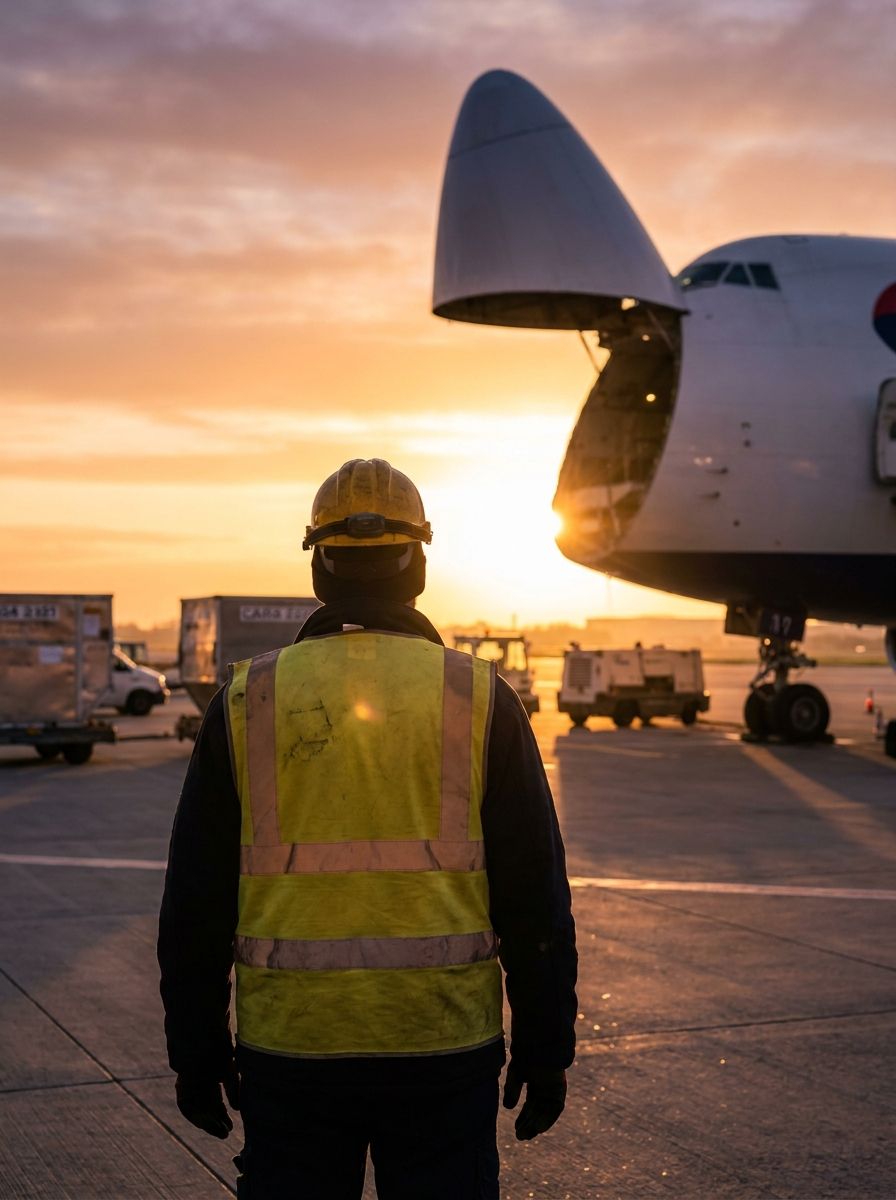

Air Transport of Wet Cargo to Kazakhstan: Packaging and Logistics Regulations
Understanding the specifics of Wet Cargo transportation: from seafood to wet batteries. A practical guide to packaging, documentation, and air delivery to Kazakhstan with KAZLOGIST.KZ.

What Falls Under the Wet Cargo Category
In international aviation logistics, the term Wet Cargo covers a wide range of goods that contain liquids or are capable of emitting moisture during transport. This includes not only beverages or liquid chemicals but also perishable products such as fresh fish, meat, seafood, chilled vegetables, and fruits. This category also includes goods packed in wet ice and even items that generate condensation.
Special attention is paid to technical cargo, such as "wet" storage batteries. The main challenge in handling Wet Cargo is the risk of leakage. If liquid gets onto aircraft structural elements, it can cause corrosion of aluminum alloys, damage electrical wiring, or contaminate other cargo on board. This is why airlines impose strict packaging requirements, and KAZLOGIST.KZ specialists thoroughly inspect every shipment before departure.
Packaging Requirements: How to Avoid Refusal of Carriage
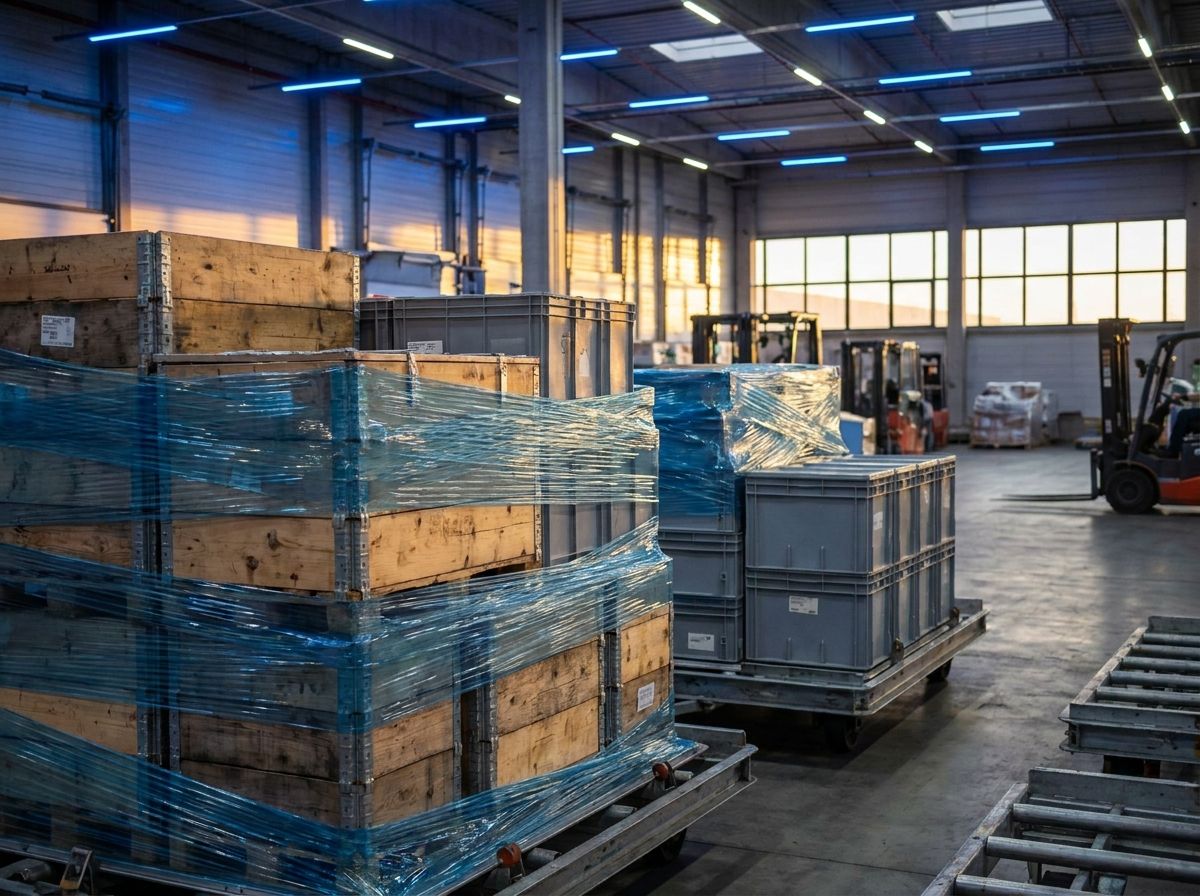
Proper packaging is a critical factor. If the packaging does not meet IATA standards, the airline has the right to refuse carriage directly at the airport of departure. For wet cargo, a multi-layer principle is applied:
- Primary Packaging: The goods are placed in airtight plastic bags or plastic containers that prevent liquid leakage.
- Secondary Packaging: Use of absorbent materials (special mats, sawdust, or paper) capable of absorbing the entire volume of liquid in case the primary container is damaged.
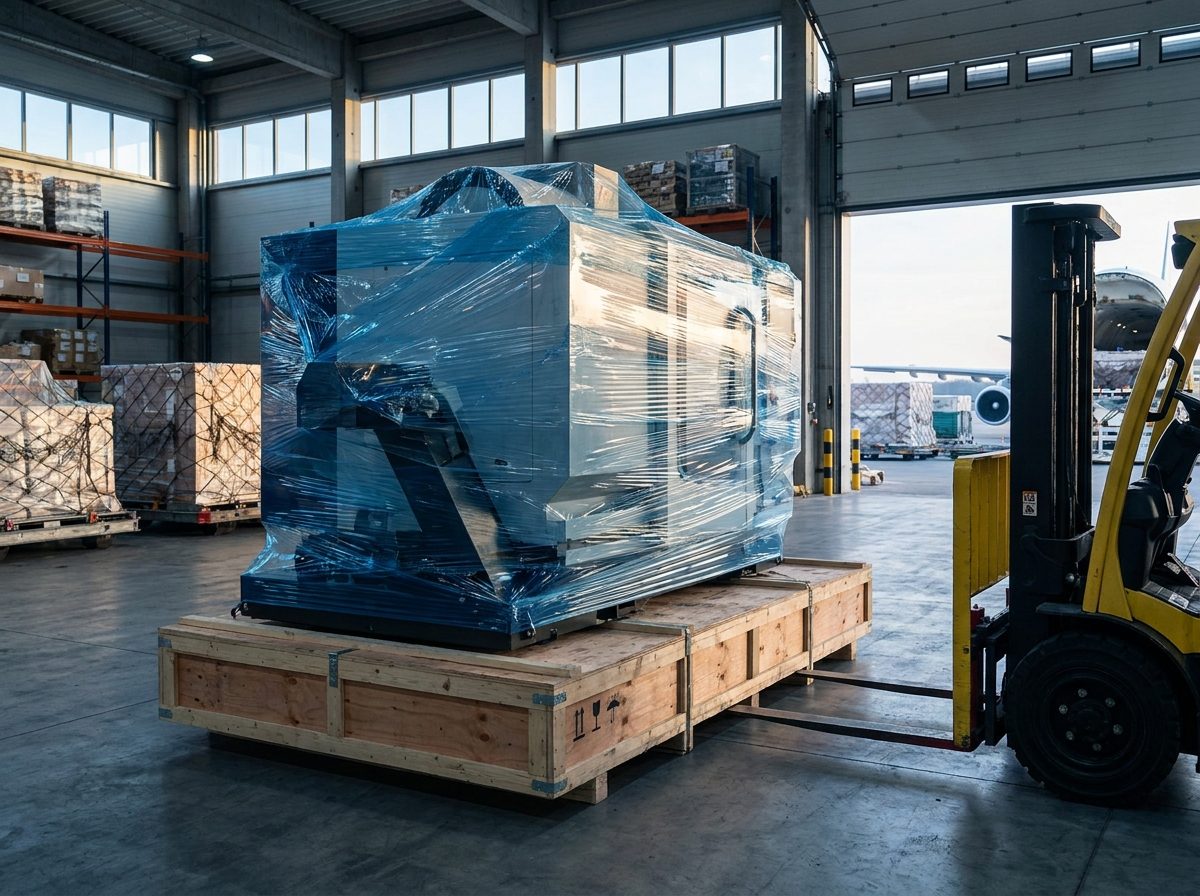
- Outer Packaging: Durable boxes made of styrofoam, plastic, or water-resistant cardboard. All joints must be carefully sealed with moisture-resistant tape.
When transporting seafood or meat, dry ice or refrigerants are often used. It is important to remember that dry ice is classified as Dangerous Goods (DGR) due to the emission of carbon dioxide, and its quantity on board is strictly regulated. KAZLOGIST.KZ specialists help to correctly calculate the volume of refrigerant and prepare the Shipper's Declaration if necessary.
Documentation and Labeling
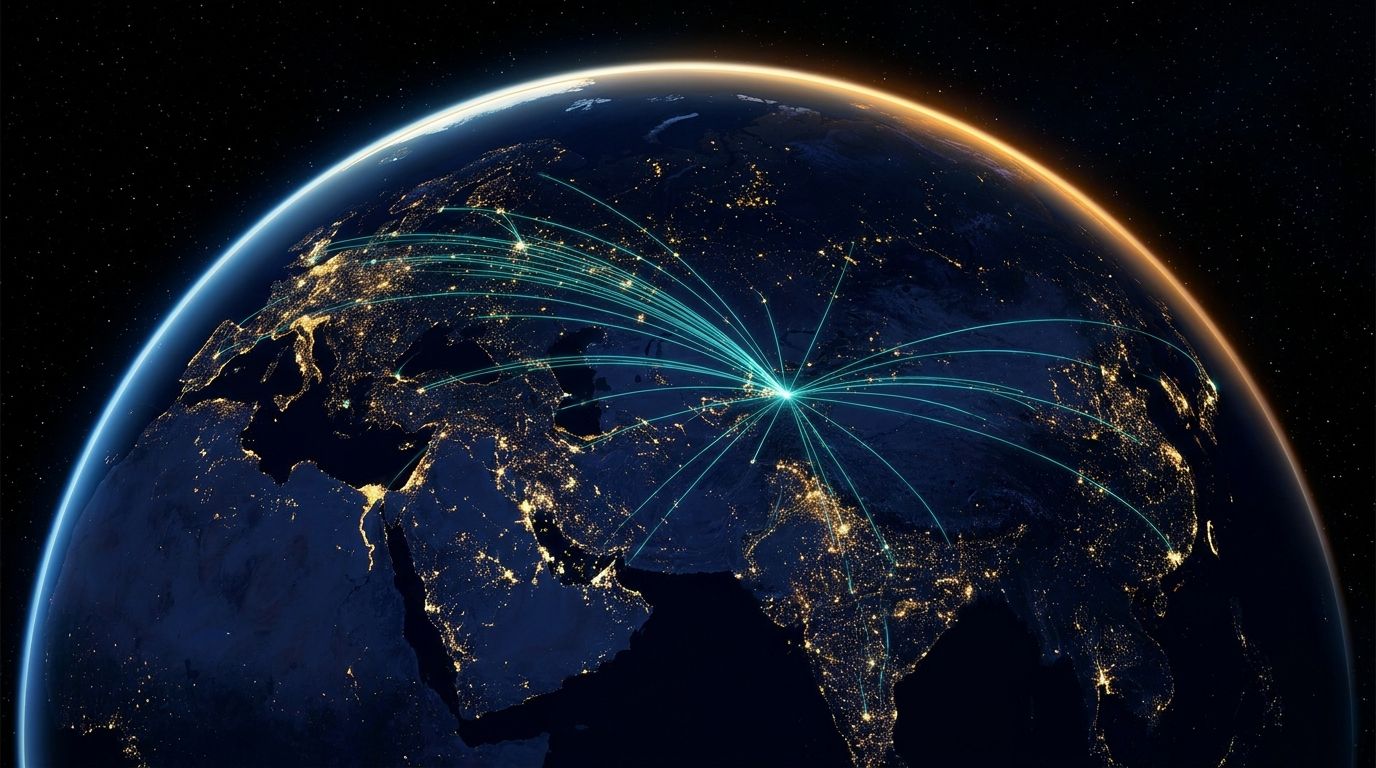
Importing Wet Cargo into Kazakhstan from Europe, China, the USA, or Turkey requires a standard set of documents supplemented by specific certificates. The main list includes:
- Air Waybill (AWB) with the mandatory "Wet Cargo" notation;
- Commercial Invoice with HS codes;
- Packing List with exact dimensions and gross/net weight;
- Veterinary or Phytosanitary Certificate (for food products);
- MSDS Safety Data Sheet (for technical liquids or batteries).
Each cargo piece must be marked with special labels: "Wet Cargo" and "This Way Up" orientation arrows. The absence or incorrect placement of labeling is a frequent cause of delays at the terminal. KAZLOGIST.KZ checks for the presence of all necessary labels at the stage of picking up the cargo from the shipper's warehouse.
Logistics Processes and Delivery Times to Kazakhstan
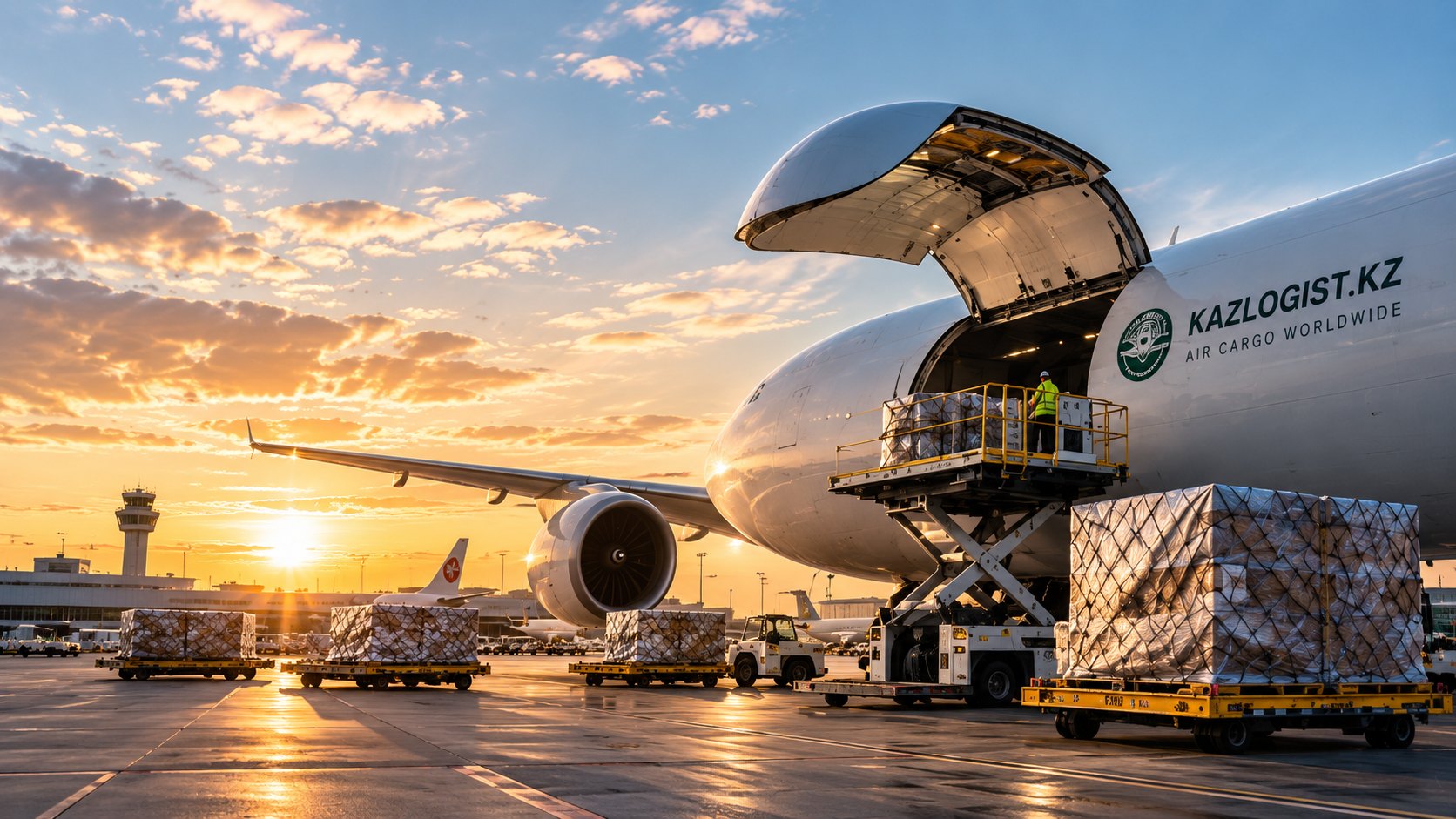
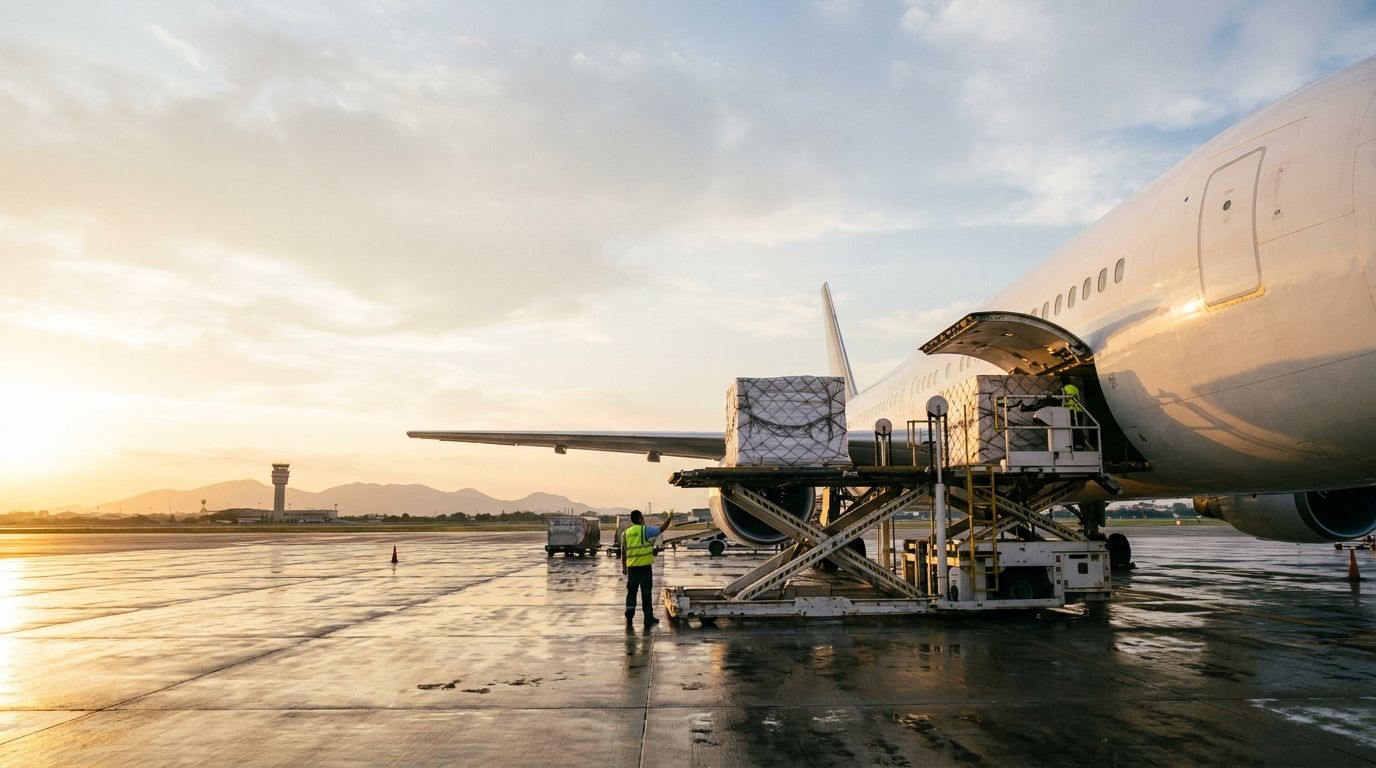
Transporting wet cargo requires speed, especially when dealing with perishables. KAZLOGIST.KZ organizes door-to-door air freight, minimizing the time goods spend in transit warehouses. Estimated delivery times are:
- From Europe to Kazakhstan — 3–5 days;
- From China and Asia — 3–6 days;
- From the USA — 5–8 days;
- From the Middle East — 2–4 days.
Upon receiving the cargo at the destination airport (e.g., Almaty), it is critically important to pass customs clearance quickly. We recommend coordinating document drafts with our managers in advance to eliminate errors in HS codes or product descriptions, which could lead to downtime at the temporary storage warehouse and product spoilage.
Calculation of Cost and Chargeable Weight
The cost of Wet Cargo air freight depends not only on weight but also on volume. Airlines calculate based on the higher of the two indicators: actual or volumetric weight. The volumetric weight formula is standard: Length × Width × Height (cm) / 6000. In the case of wet cargo, the weight of the packaging (ice, thermoboxes, absorbents) can constitute a significant part of the total mass, which is important to consider when planning the budget.
The final rate includes fuel surcharge, security fee, terminal handling, and export declaration processing. Due to the need for special handling and priority loading, Wet Cargo rates may be higher than those for general cargo. KAZLOGIST.KZ provides a detailed cost breakdown after analyzing the specific parameters of the shipment.
Why Entrust Your Shipment to KAZLOGIST.KZ
Handling the Wet Cargo category leaves no room for logistical errors. We take on the full cycle: from picking up the cargo from the supplier anywhere in the world to delivery to the recipient in Kazakhstan. Our specialists control the booking of space on flights suitable for wet cargo transportation and monitor compliance with the temperature regime if required. We work with both large commercial batches and small shipments starting from 1 kg.
To receive an accurate cost calculation and consultation on document preparation, please contact our specialists. We will prepare a proposal within one hour during business hours.