



The 1:6000 Ratio in Air Freight: How Volume Impacts Shipping Costs to Kazakhstan
Breaking down the IATA 1:6000 standard. Learn why airlines consider cargo dimensions and how to correctly calculate chargeable weight when shipping to Kazakhstan with KAZLOGIST.KZ.

What the Magic Number 1:6000 Means in Logistics
For any entrepreneur or procurement manager dealing with imports from China, Europe, or the USA, logistics costs are a key variable in the product's cost price. In air freight, there is a standard that often raises questions for newcomers: the 1:6000 ratio. This is the globally accepted cargo density standard set by IATA (International Air Transport Association). It determines how many kilograms of weight "fit" into one cubic meter of aircraft space. The KAZLOGIST.KZ team daily encounters situations where a client expects a price based on actual weight but receives a calculation based on volume. Understanding this ratio allows for more accurate budget planning and avoids unpleasant surprises when receiving the invoice.
Why Airlines Don't Just Look at the Scales
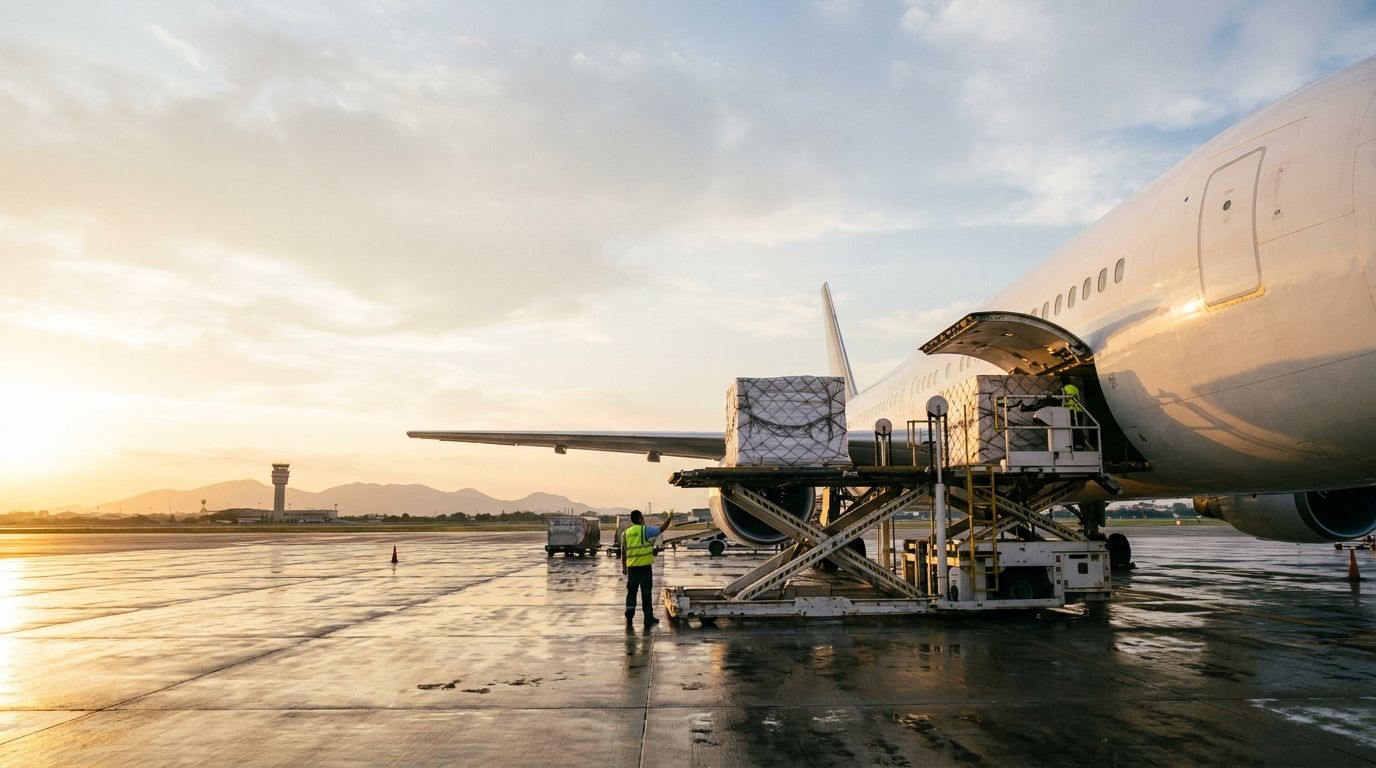
An airplane is a transport vehicle with limited cargo hold space. If airlines charged only for physical kilograms, they would incur massive losses when transporting light but bulky goods. Imagine an entire cargo hold filled with boxes of plush toys or pillows. Such cargo would weigh very little but would occupy all the useful space, leaving no room for heavy machinery or spare parts. Therefore, the concept of "chargeable weight" was introduced in aviation. The 1:6000 ratio means that one cubic meter of cargo must weigh at least 166.67 kg. If your cargo is lighter, the airline will still charge you as if it weighs 167 kg per cubic meter. KAZLOGIST.KZ specialists always check the dimensions of every box to warn the client in advance if the cargo falls into the "volumetric" category.
The Math of the Calculation: Formula and Examples
The formula for calculating volumetric weight is simple: Length (cm) × Width (cm) × Height (cm) / 6000. The result of this formula is compared with the actual gross weight (what the scales show), and the higher value is chosen for the tariff calculation. Let's look at a practical example. Suppose you are shipping one box weighing 20 kg with dimensions of 60x60x60 cm from Europe to Almaty. Multiply: 60 * 60 * 60 = 216,000. Divide by 6000 and you get 36 kg. Despite the box physically weighing 20 kg, you will have to pay for 36 kg. This is why when requesting a quote from KAZLOGIST.KZ, managers ask not only for the total weight but also for the Packing List with details for each piece. Without this data, it is impossible to give a final price, as the rate per kilogram is only part of the equation.
Where Companies Lose Money: Typical Procurement Mistakes
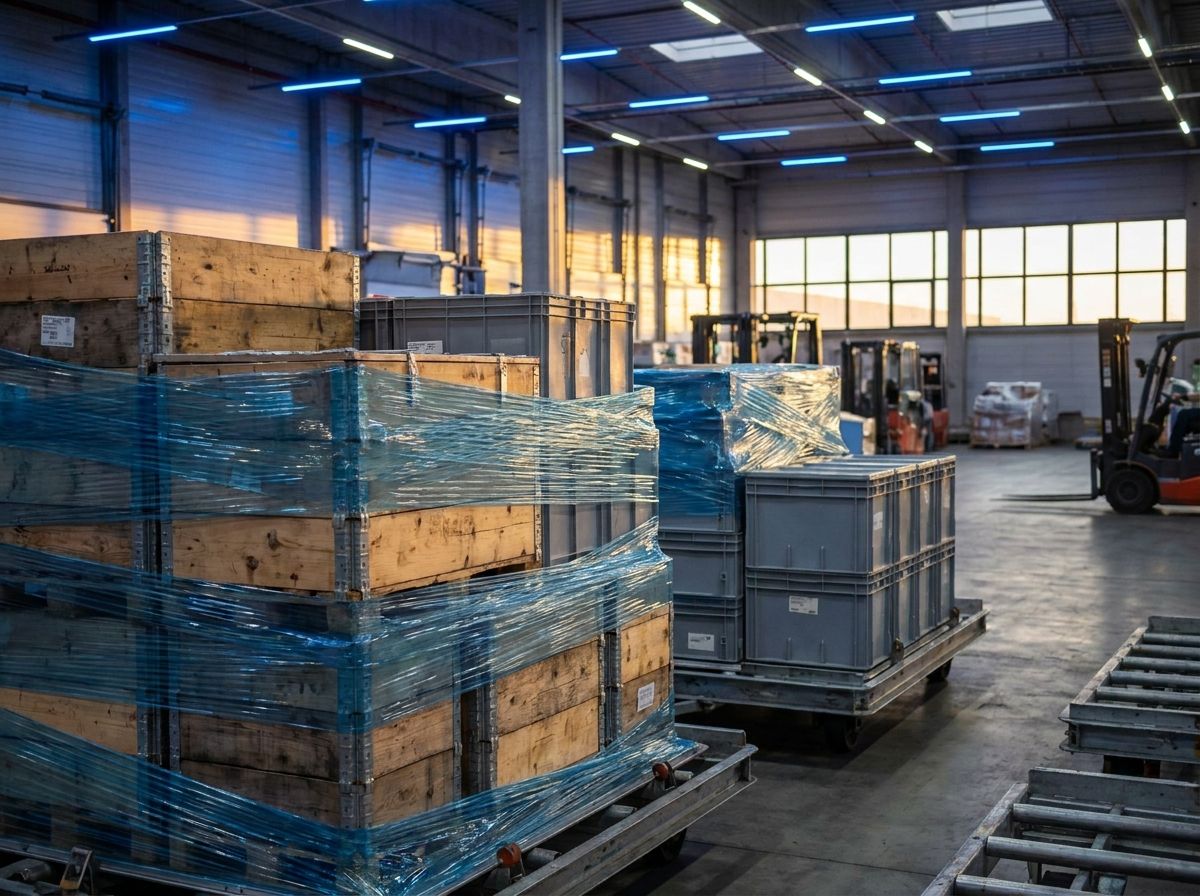
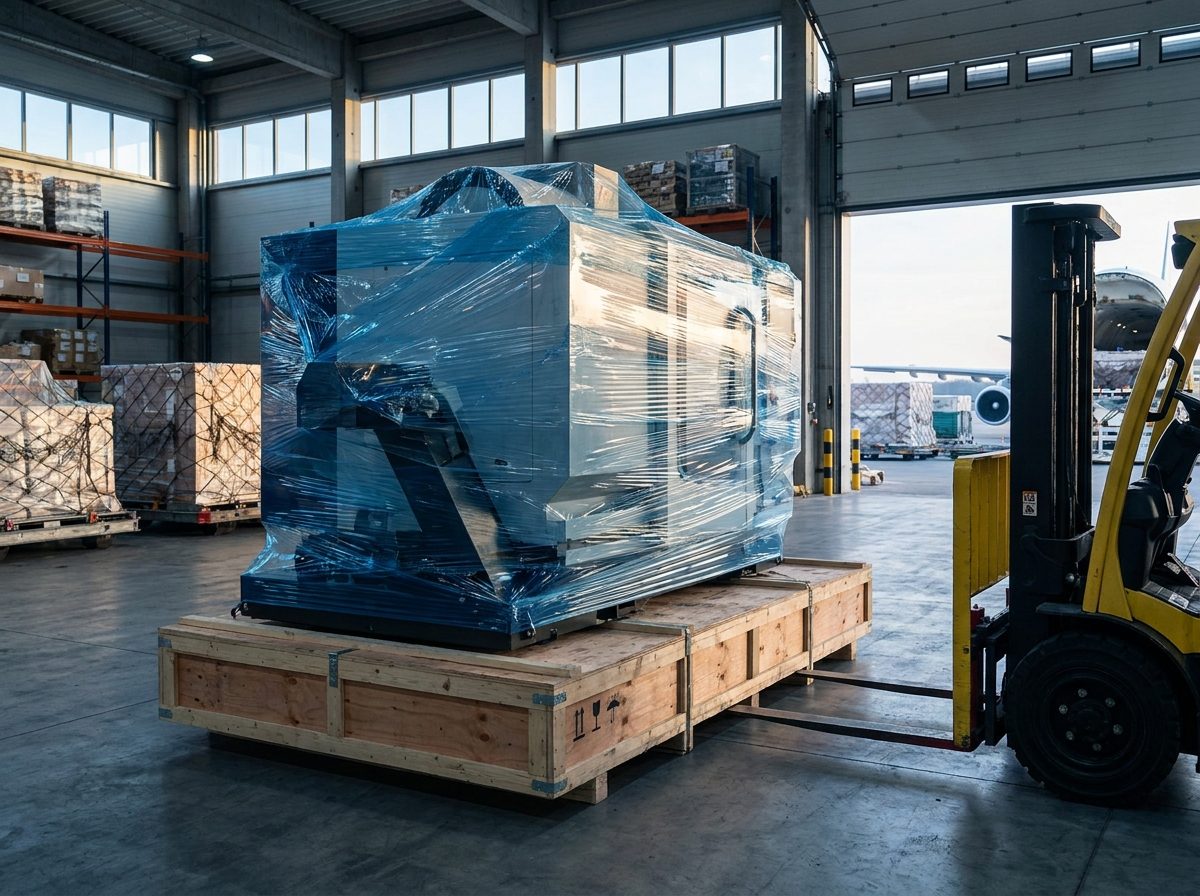
The primary loss of funds occurs at the supplier's packaging stage. Often, factories in China or the USA use standard boxes that are half-filled with air or foam. For air freight, this is critical. Another risk area is palletizing. The pallet itself adds height (usually about 15 cm) and width to the cargo dimensions, which instantly increases the volumetric weight. KAZLOGIST.KZ recommends requesting a photo report and exact measurements from the shipper after final packaging. If the cargo allows, we offer repacking or consolidation services at our warehouses to minimize "empty" volume. Remember that even an extra 5 centimeters on each side of a box in a large shipment can increase shipping costs by hundreds of dollars.
How to Optimize Expenses with the 1:6000 Ratio
To optimize costs, it is important to work closely with your logistics provider. First, consider vacuum packaging for textiles or soft materials. Second, combine heavy and light cargo. If you are shipping dense equipment and bulky components, they can be processed as a single shipment—then the dense cargo "compensates" for the volumetric one, and the average weight of the lot approaches the actual weight. KAZLOGIST.KZ helps clients with consolidation from multiple suppliers, which allows for optimized loading and reduces the final chargeable weight. It is also important to note that different types of aircraft have different height restrictions, and sometimes a slight change in packaging dimensions allows the cargo to be sent on a cheaper flight.
The Role of Documentation in Weight Control
For correct calculation and customs clearance in Kazakhstan, the data in the invoice and packing list must strictly match reality. Errors in dimensions in the documents can lead not only to overpayment for freight but also to delays at the terminal. Usually, air freight from China takes 3–6 days, and from Europe 3–5 days, but a discrepancy in weight or volume can increase this timeframe due to the need for re-weighing and correcting the Air Waybill (AWB). At KAZLOGIST.KZ, we check the document package before departure to ensure that the declared dimensions match what will be accepted on board. This eliminates unpleasant surcharges at the destination airport.
If you require an accurate calculation of shipping costs considering all dimensions and ratios, KAZLOGIST.KZ specialists are ready to prepare a proposal. Leave a request, and we will contact you within an hour during business hours to clarify the details of your cargo.