Temperature Fluctuations at Altitude: Protecting Cargo During Air Freight to Kazakhstan
Analyzing the physics of processes in the cargo hold at 10,000 meters. How to avoid condensation and damage to electronics or chemicals. Practical advice from KAZLOGIST.KZ.
Physics of Flight: What Happens in the Cargo Hold
During air freight, cargo undergoes extreme conditions. At a cruising altitude of 10,000–11,000 meters, the outside temperature drops to -50°C or -60°C. Although modern cargo and passenger aircraft have pressurized and heated compartments, maintaining a stable internal temperature is a challenge. KAZLOGIST.KZ notes that the standard temperature in a heated hold usually ranges from +15°C to +25°C, but localized cold spots can occur depending on the aircraft type and air conditioning performance.
Risk Groups: Which Goods Suffer First
For a logistics manager, it is vital to understand that temperature control is not just for food. KAZLOGIST.KZ specialists highlight several categories of goods sensitive to fluctuations at altitude:
- High-precision electronics and optics: Rapid cooling and subsequent heating lead to micro-cracks on circuit boards and fogging of lenses.
- Chemicals and cosmetics: Many formulations lose their properties, separate, or crystallize if the temperature drops below +5°C.
- Pharmaceuticals: Vaccines, insulin, and many reagents require strict adherence to regimes (e.g., +2...+8°C). A slight deviation at altitude can render a shipment unusable.
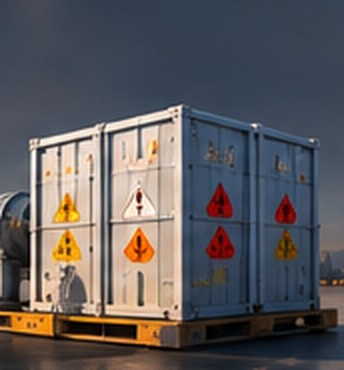
- Dangerous Goods (DGR): Certain lithium batteries or aerosols may behave unpredictably during sharp pressure and temperature changes, requiring IATA DGR compliance.
Condensation: The Hidden Threat During Descent
The most dangerous moment of air transport is the descent and pressure equalization. When cold cargo enters the warm and humid environment of the destination airport, a dew point forms on the surface and inside the packaging. Condensation can damage industrial equipment or ruin the commercial appearance of the packaging. KAZLOGIST.KZ recommends using desiccants (silica gel) and airtight polymer film when preparing shipments from China or Europe.
Protection Methods: Passive and Active Isolation
To minimize risks at altitude, various technological solutions are used:
- Thermal Blankets: An effective way to protect against short-term temperature fluctuations on the tarmac and in the hold. They reflect thermal radiation and slow down heat exchange.
- Polystyrene Thermo-boxes: Used for smaller batches. Combined with gel packs, they maintain the required regime for up to 48–72 hours.
- Active Temperature Containers (ULD): These are full-fledged "refrigerators on board" with compressor units. They allow for a precise temperature setting that does not depend on the cargo hold conditions.
Ground Handling and Temperature Loggers
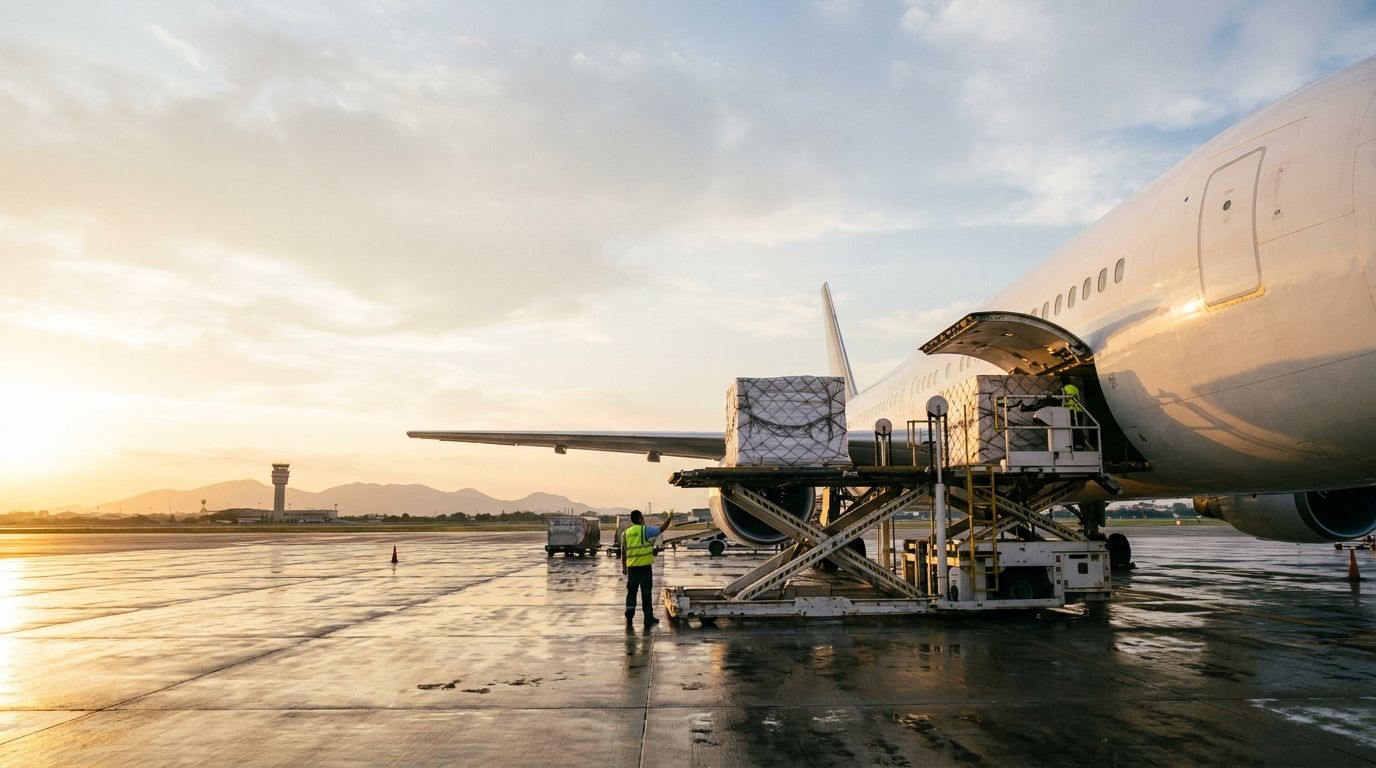
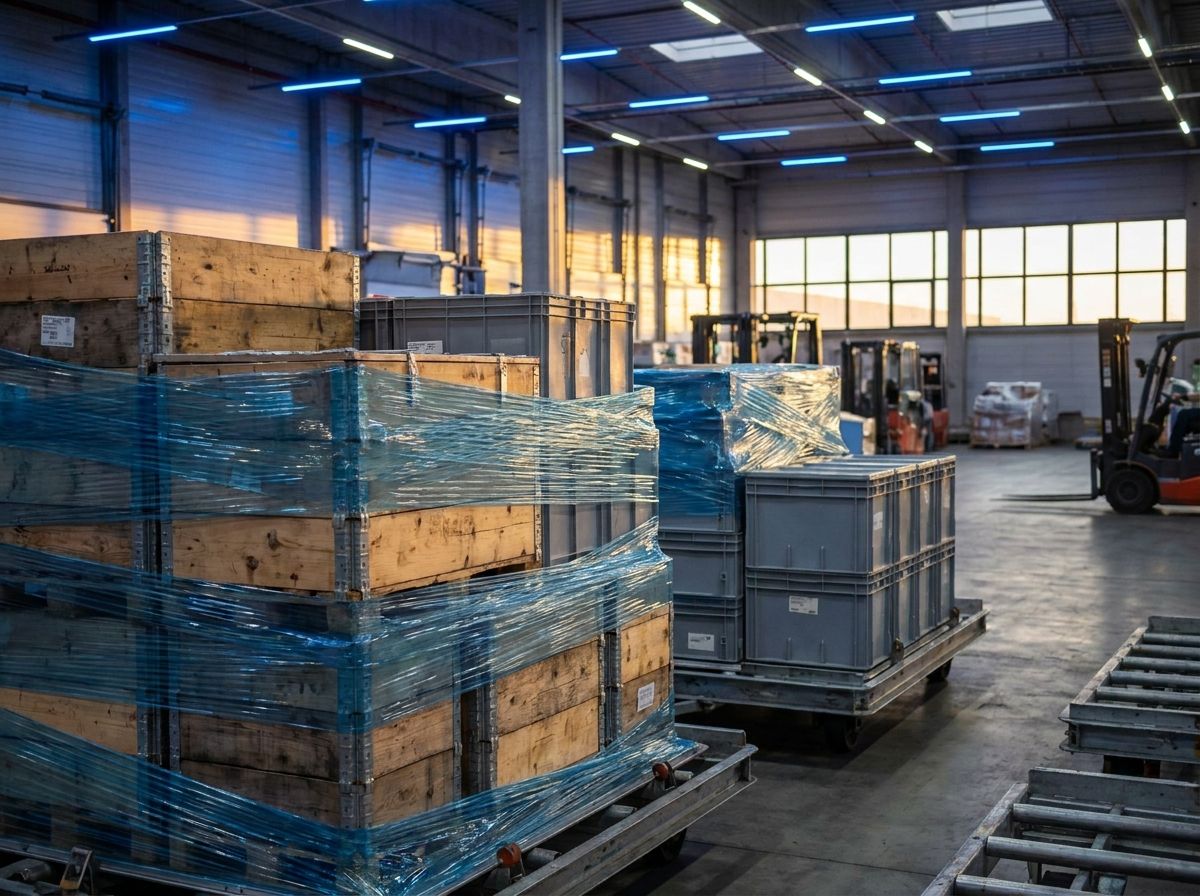
A critical break in the cold chain often occurs not in the sky, but on the ground—during loading waits or after unloading from the aircraft. At KAZLOGIST.KZ, we pay special attention to the priority handling of temperature-sensitive cargo to reduce the time the goods spend in the open air. Temperature loggers—small sensors that record the history of temperature changes throughout the journey—are used to monitor the situation.
Practical Recommendations for Importers
When planning a shipment from the USA, Europe, or Asia, always consider seasonality and the type of aircraft. Wide-body freighters usually have more advanced climate control systems than the belly cargo compartments of passenger planes. Be sure to specify the temperature regime in your request so we can book the appropriate space with partner airlines and prepare the necessary documents, including MSDS for chemicals or certificates for pharmaceuticals.
If you are planning a delivery of cargo that requires a special temperature regime, contact us for a consultation. KAZLOGIST.KZ specialists will help you choose the optimal packaging type and route to ensure your goods arrive safely.