

Actions Upon Detecting Cargo Packaging Damage During Receipt
A practical guide for importers on how to properly document packaging damage during air cargo receipt to avoid financial losses.
Why Initial Inspection is Critical
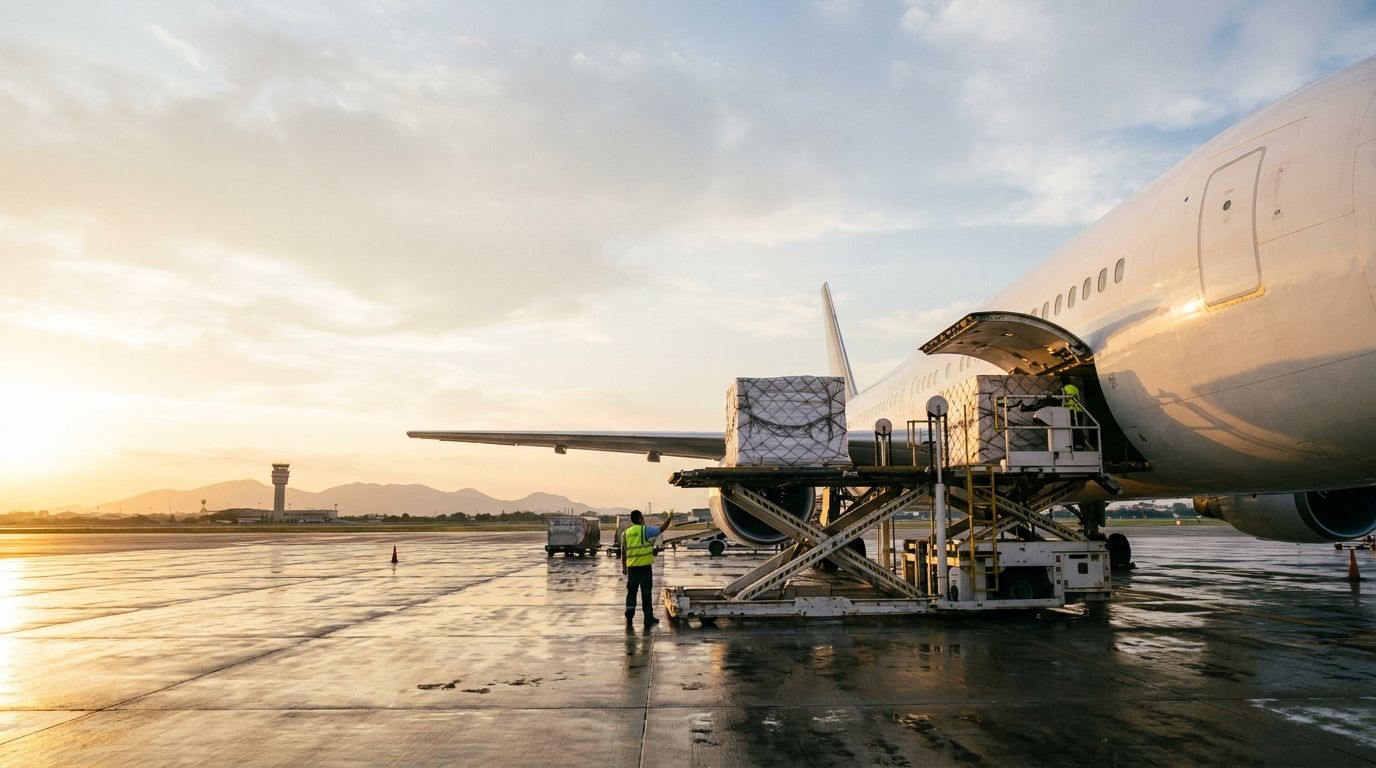
During international air freight organized by KAZLOGIST.KZ, cargo passes through several handling stages: the shipper's warehouse, the departure airport terminal, the aircraft hold, and the temporary storage warehouse (TSW) in Kazakhstan. Despite the high speed (usually 3–6 days from China, 3–5 days from Europe), the risk of mechanical impact on packaging remains. The moment of receipt is the last opportunity to document that the damage occurred before the goods were handed over to the recipient. If you sign the documents without reservations, proving the carrier's or terminal's fault in the future will be nearly impossible.
Action Algorithm Upon Detecting Defects
The first rule is not to rush into signing the Air Waybill (AWB) or the delivery receipt. If you see that a box is crushed, torn, shows signs of wetness, or has tampered tape, you must follow a strict protocol.
- Stop the Process: Ask the warehouse representative or driver to pause the release until the inspection is complete.
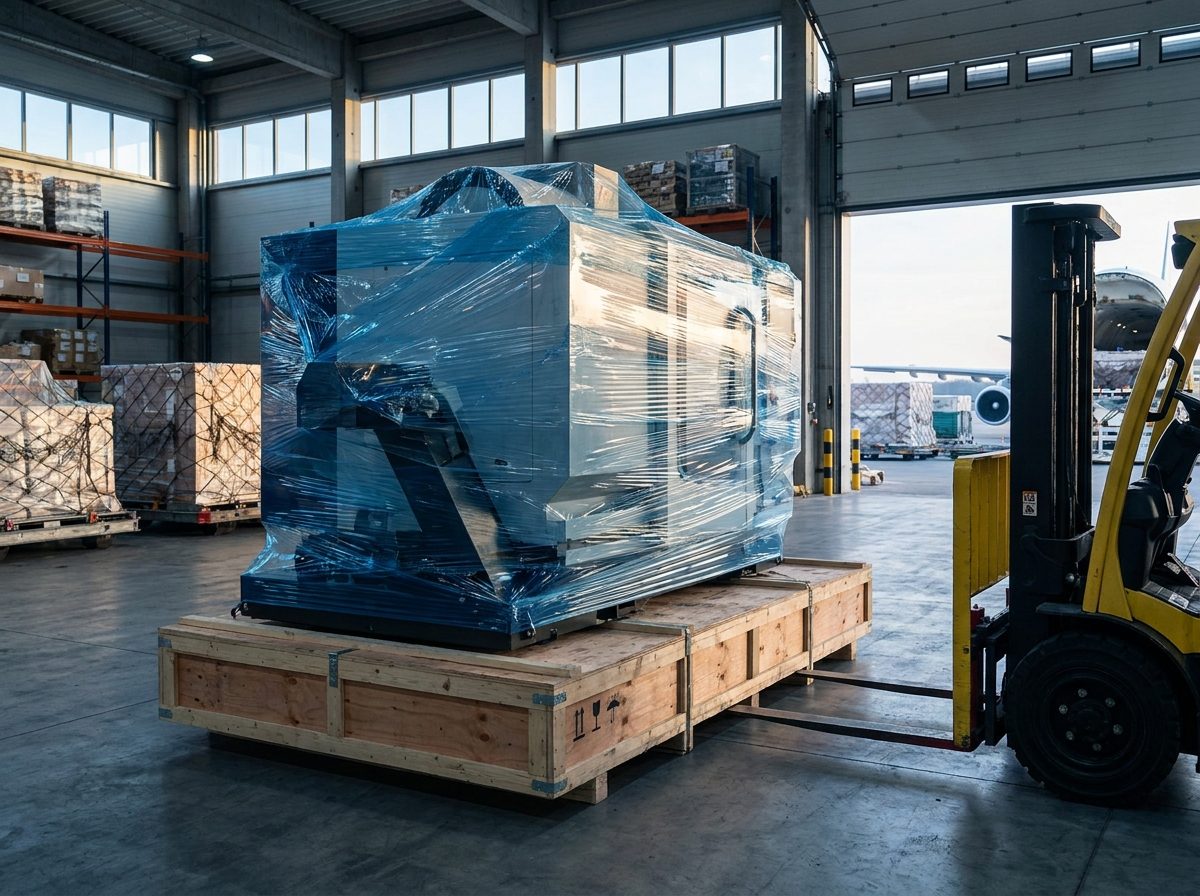
- Visual Fixation: Inspect all cargo pieces. Pay attention to pallet corners, the integrity of the stretch wrap, and the presence of the sender's original branded tape.
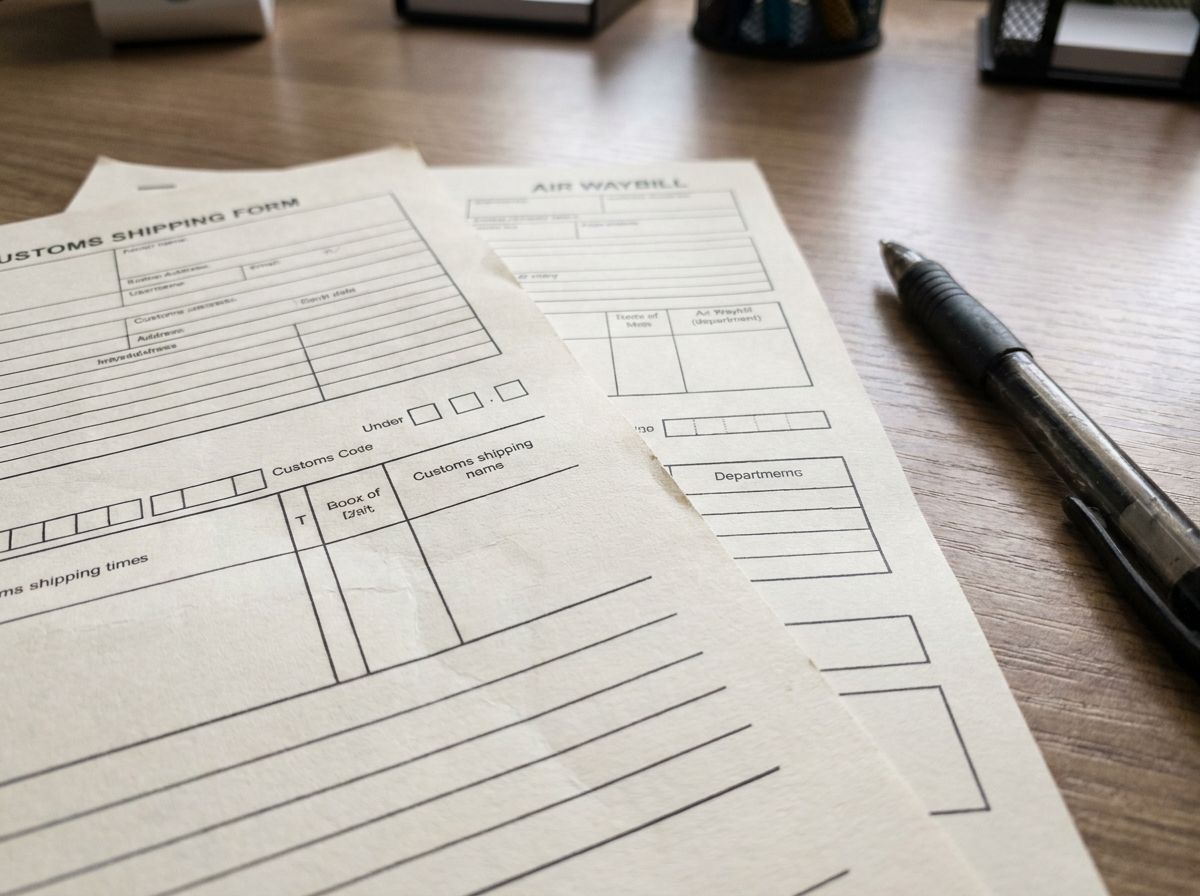
- Notation in Documents: Make a mandatory note about the nature of the damage in both the original and the copy of the AWB. For example: "Cargo accepted with external packaging damage (torn box, crushing)."
Rules for Photo and Video Evidence
Photographs are key evidence for insurance companies and legal teams. For KAZLOGIST.KZ to effectively assist in resolving a dispute, the materials must be of high quality. Take a wide shot of the cargo against the background of the warehouse or vehicle to clarify where the receipt is happening. Photograph the labeling, the AWB number, and the tags on the damaged area. Take close-ups of the damage from several angles. If the packaging is pierced through, try to document whether the contents are visible.
Drafting a Commercial Act
If damage is detected at an airport terminal or TSW in Almaty, insist on drafting a Commercial Act (or a discrepancy report). This document must be signed by both the warehouse representative and the recipient. The act specifies the AWB number, the number of damaged pieces, the nature of the defect, and the estimated weight of the damaged portion. Remember that airlines calculate shipping costs based on the greater of actual or volumetric weight (L × W × H / 6000), and any changes in packaging dimensions due to deformation should also be noted.
Hidden Damage and Special Cargo
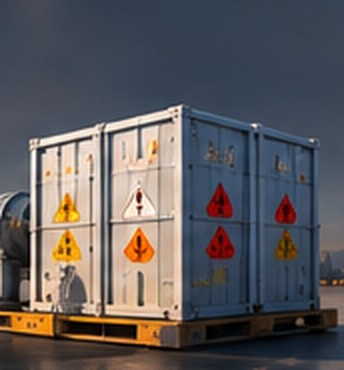
There are cases where the external packaging is intact, but the contents are damaged. This often happens with electronics or high-precision equipment from the USA or Europe. If you are transporting temperature-sensitive goods, always check the logger data upon receipt. For dangerous goods (DGR), any packaging deformation is a reason to immediately call a specialist, as a breach of integrity can be hazardous. If you ordered a photo report service during consolidation through KAZLOGIST.KZ, compare the current state of the cargo with the photos from the departure warehouse.
Interaction with the Freight Forwarder
Immediately after documenting the damage, contact your manager at KAZLOGIST.KZ. We will help you correctly phrase the claim and advise whether to accept the cargo in full or place it in bonded storage for an expert survey. Our team checks the document package (invoice, packing list, certificates) before departure, which minimizes bureaucratic delays when issuing acts on-site. Remember that timely documentation is the key to a successful insurance claim or compensation from the carrier.
To receive detailed information about packaging and insurance rules for your shipments, please contact our specialists for a shipping quote.