
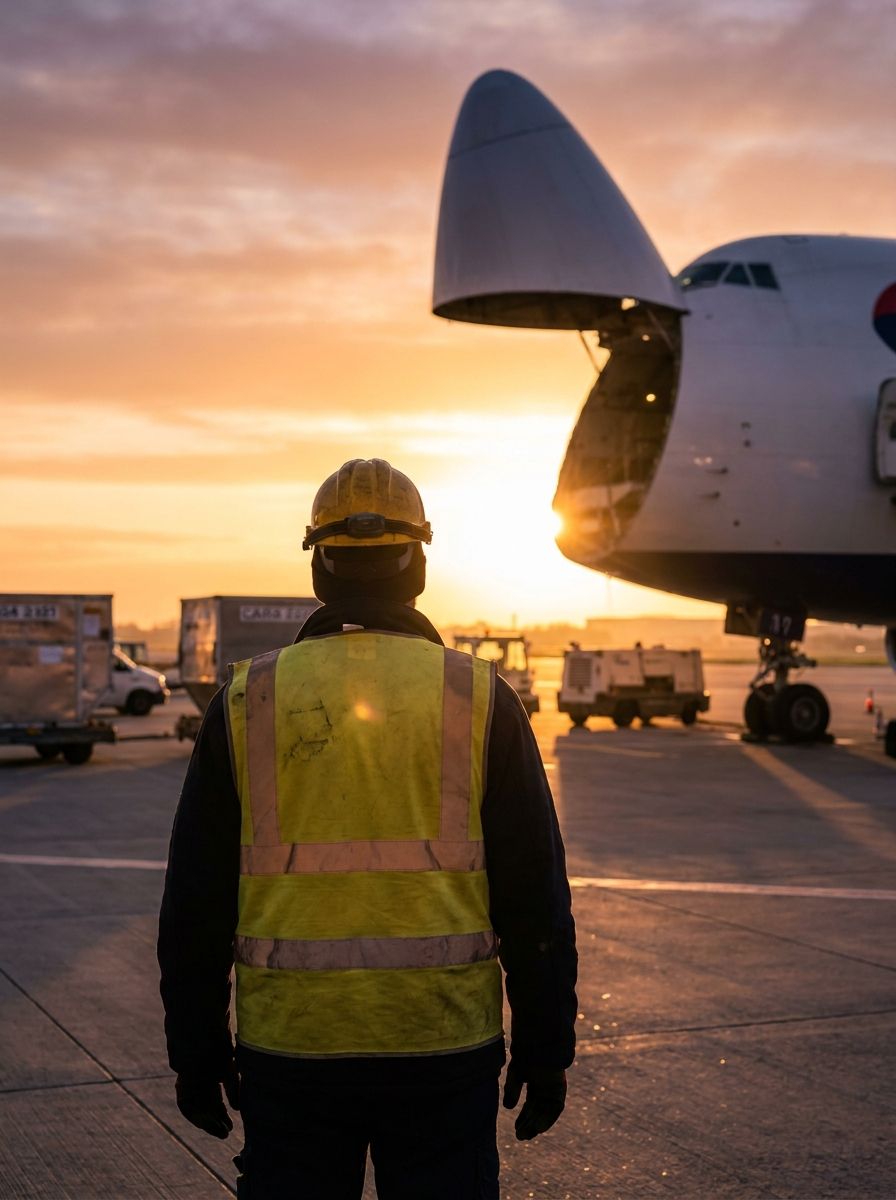

Impact of Weather Conditions on Air Freight Supply Chains: A Practical Guide for Business
We analyze how fog, wind, and temperature anomalies affect air delivery times to Kazakhstan and how to minimize risks for business.

Weather Conditions as a Factor of Uncertainty in Air Logistics
For a supply manager or a business owner expecting cargo from China, Europe, or the USA, air freight seems to be the fastest and most reliable transport method. However, aviation is the industry most dependent on weather conditions. Meteorological factors can not only delay a departure but also completely change the route, which inevitably affects the supply chain. In KAZLOGIST.KZ practice, we often see that a flight delay due to fog in a transit hub, such as Istanbul or Frankfurt, causes a domino effect for all subsequent delivery stages.
Key Weather Factors and Their Impact on Operations
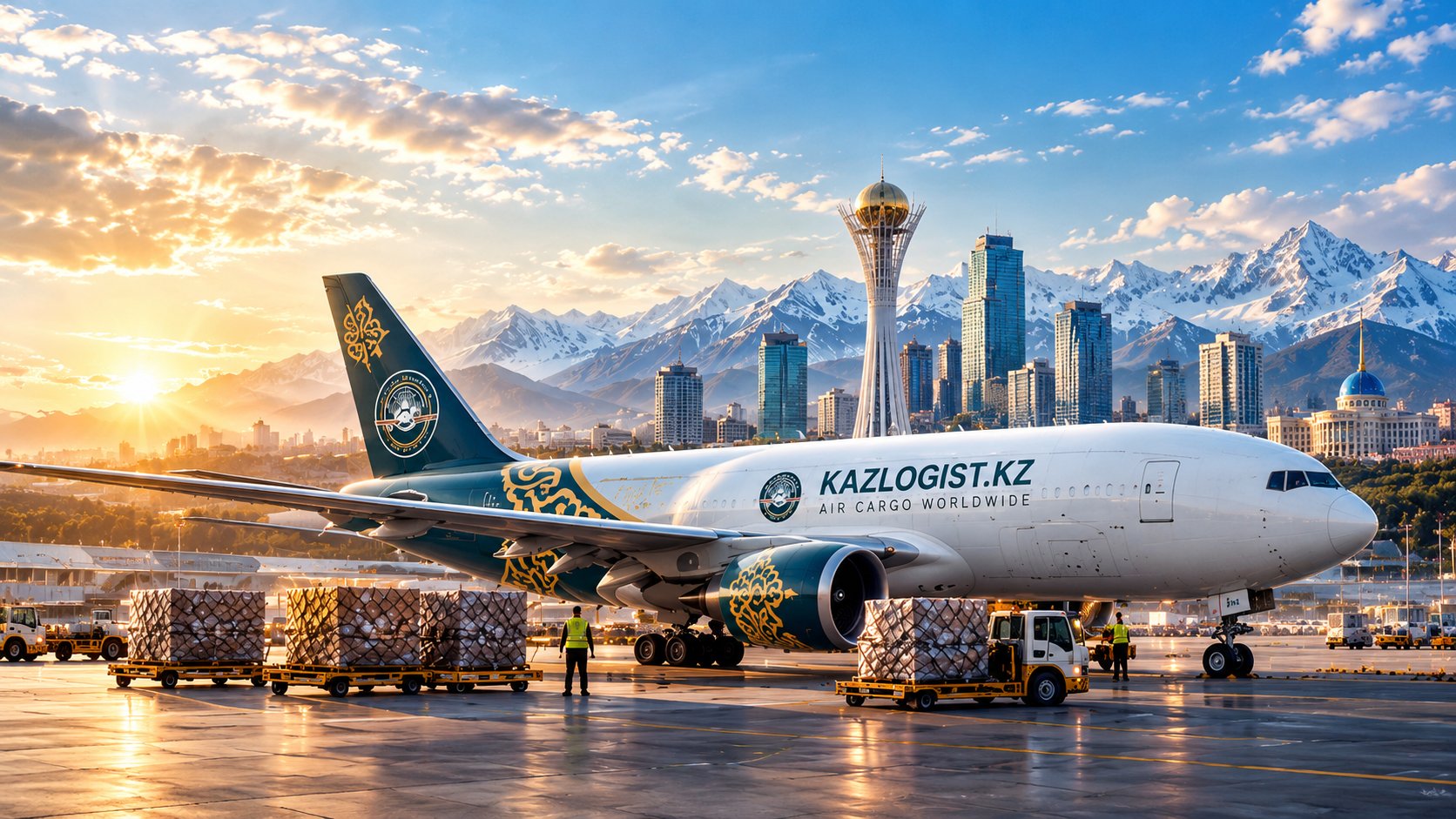
Weather affects air freight at three levels: departure airport operations, transit hub conditions, and the situation at the destination airport (Almaty, Astana). Key risks include:
- Limited Visibility: Fog, heavy snow, or dust storms can close an airport for takeoff and landing. Even if an aircraft is equipped with an autoland system, ground services may operate slower due to safety measures.
- Strong Winds: Crosswinds above allowable limits make landing impossible. For freighters like the B747F or An-124, wind limits may differ from passenger liners.
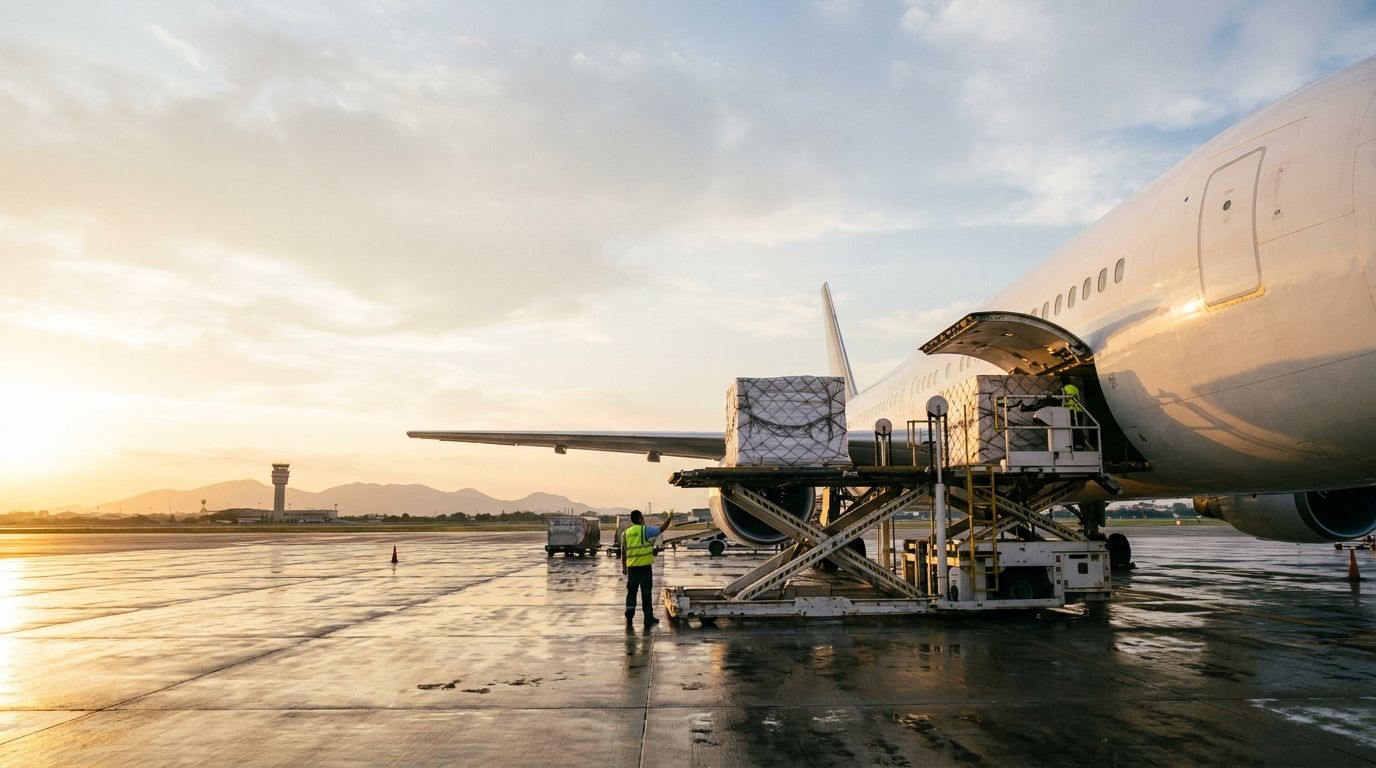
- Thunderstorm Activity: Thunderstorms force pilots to bypass danger zones, increasing flight time and fuel consumption. At the airport, loading and unloading operations on the apron often stop during thunderstorms for personnel safety.
- Icing: The need for de-icing treatment of the aircraft before takeoff adds 20 to 60 minutes to the schedule.
Temperature Anomalies and Cargo Safety
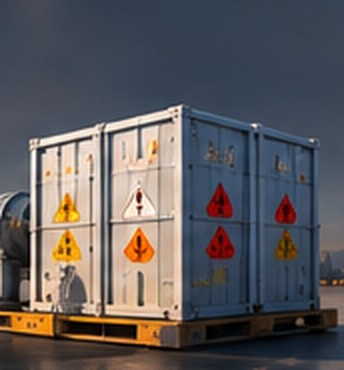
Extreme temperatures affect not only aircraft engine performance but also the condition of specific cargoes. KAZLOGIST.KZ pays special attention to the transport of dangerous goods (DGR) and temperature-sensitive items.
- Heat: High air temperature reduces air density, which limits the maximum takeoff weight of the aircraft. In some cases, airlines are forced to offload part of the cargo to ensure a safe takeoff.
- Cold: When transporting electronics or lithium batteries, maintaining the temperature regime in waiting warehouses is critical. Although a set temperature is maintained in cargo holds during flight, risks arise during loading on the apron at -30°C.
The Domino Effect in Transit Hubs
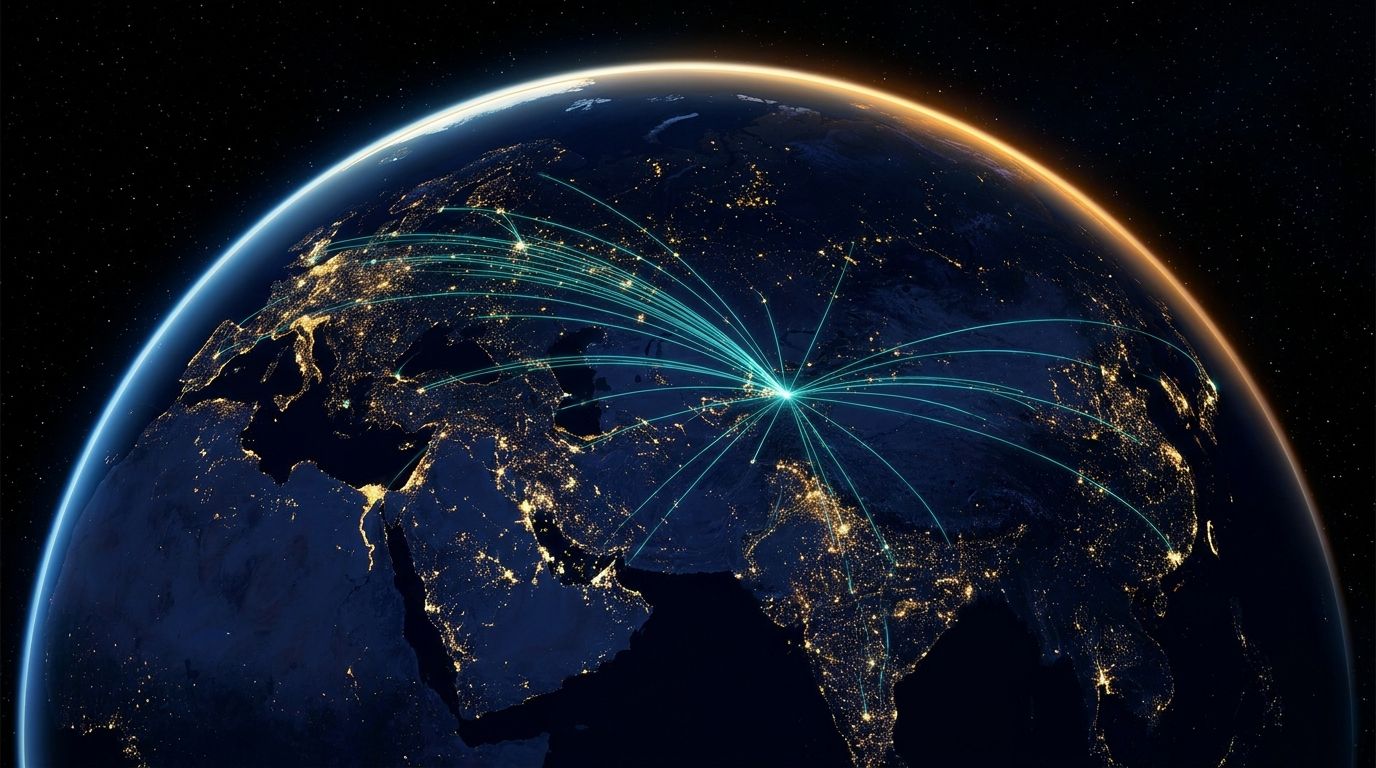
Most cargo from the USA or Europe to Kazakhstan follows through major hubs. If a flight from New York is delayed by 4 hours due to weather, it may miss the connecting flight to Almaty. In this case, the cargo remains at the transit airport until the next available flight. With a tight schedule, this can mean a delay of 2-3 days. KAZLOGIST.KZ monitors such situations and promptly informs clients about rebooking.
Minimizing Risks: Recommendations for Logisticians
It is impossible to completely eliminate the influence of weather, but you can prepare the supply chain for potential disruptions:
- Include Buffer Time: Estimated delivery times (e.g., 3–5 days from Europe) can always increase due to weather. Do not plan marketing campaigns or production launches on the day of cargo arrival.
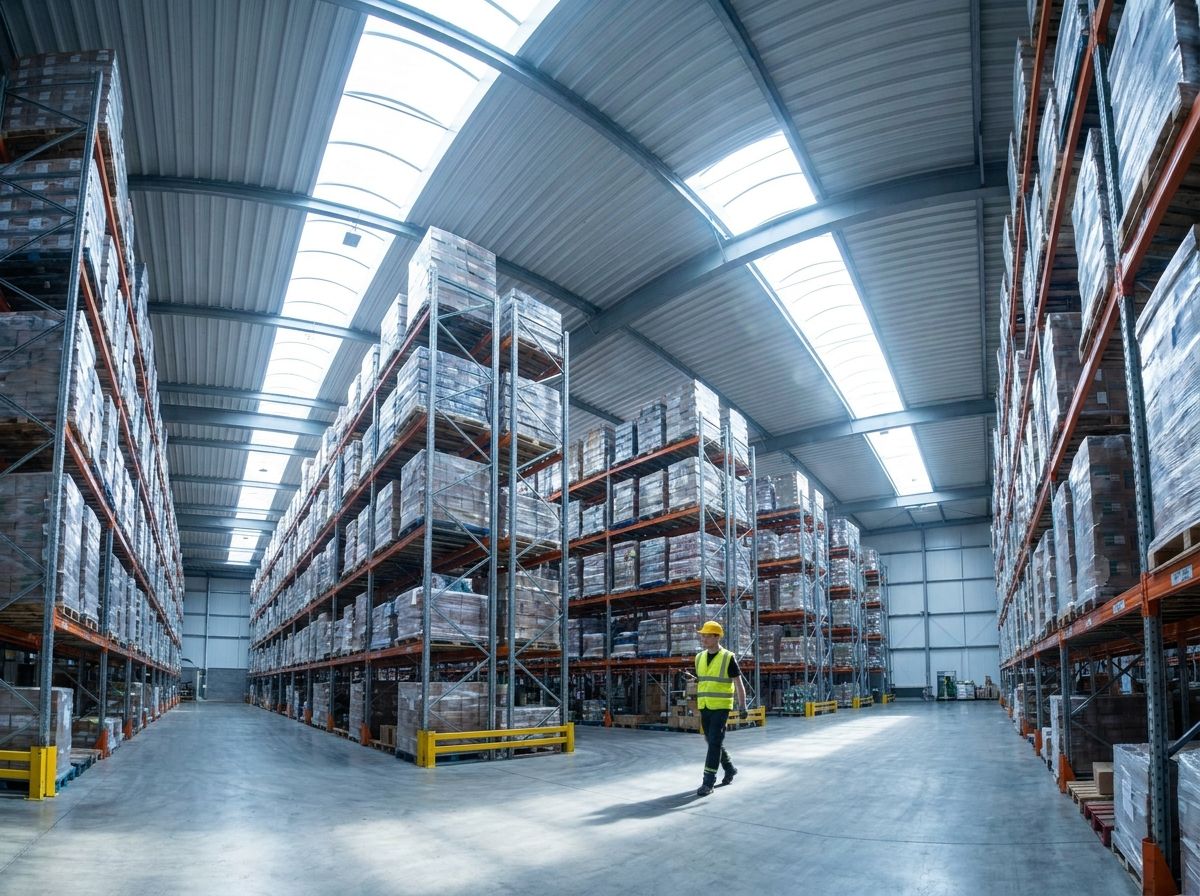
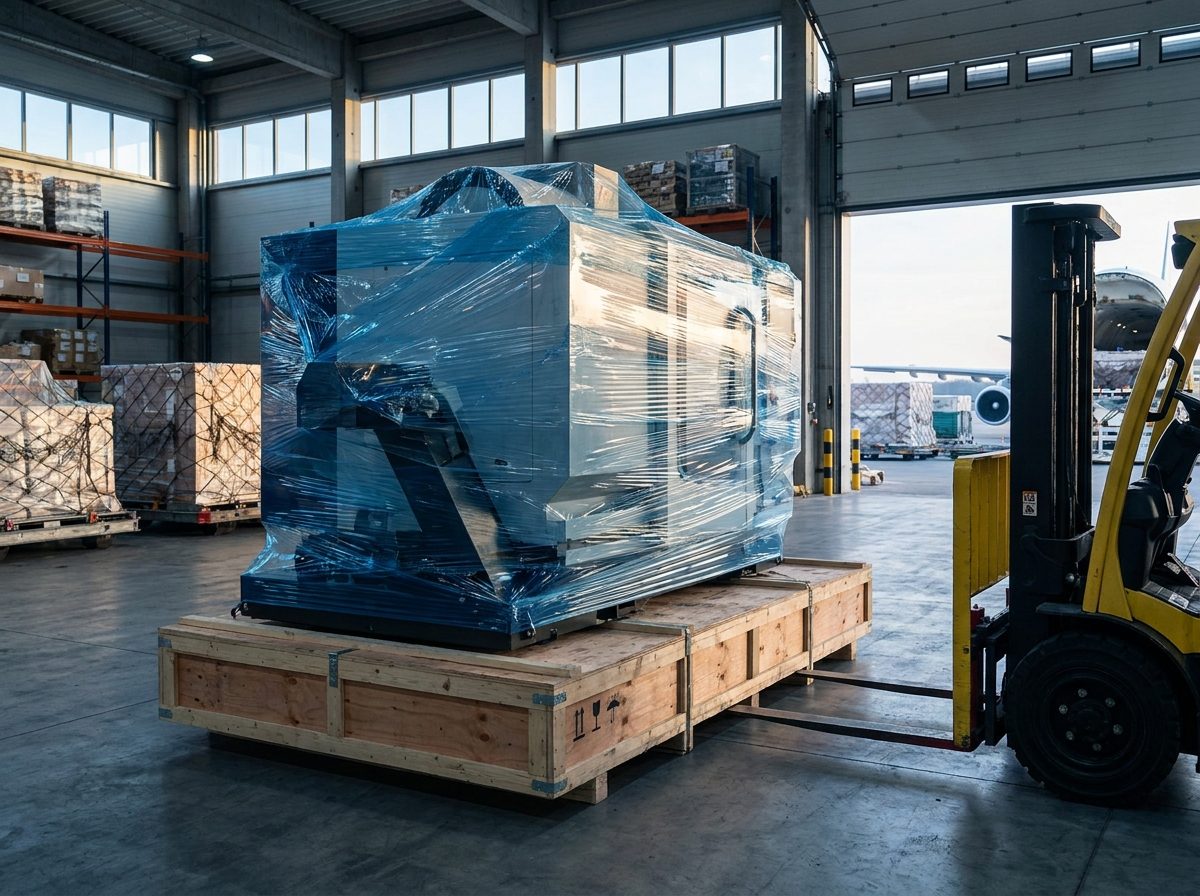
- Check Packaging: During delays, cargo may stay longer outdoors or in unheated zones. High-quality packaging and palletizing protect against moisture and temperature fluctuations.
- Prepare Documents in Advance: To avoid adding an administrative delay to a weather delay, ensure that the invoice, packing list, and MSDS (for dangerous goods) are checked by KAZLOGIST.KZ specialists before departure.
- Use Insurance: Although weather conditions are often considered force majeure, cargo insurance helps cover risks associated with damage to goods during long waits.
The Role of the Forwarder in Managing Delays
The KAZLOGIST.KZ team takes over interaction with airlines in case of disruptions. We check for alternative routes and the possibility of priority shipping on the next flight. Our task is to minimize the time the cargo spends at the terminal and ensure its safety. We provide up-to-date statuses and help adjust delivery plans to the recipient's door, taking into account the changed arrival time at the destination airport.
If you require a reliable air freight calculation considering current seasonality and route specifics, please contact our specialists for a commercial proposal.