





Cargo Aircraft Turnaround Time (TAT) Standards on the Ramp
We analyze what constitutes the ground time of a cargo aircraft, what the service standards are, and how ramp delays affect delivery times to Kazakhstan.

What is Turnaround Time and Why It Matters for Importers
Turnaround Time (TAT) is a critical KPI in aviation logistics, representing the time from when an aircraft sets its parking brakes after landing until the moment pushback begins before takeoff. For businesses awaiting cargo in Kazakhstan, TAT directly affects the overall supply chain speed. The more efficiently ground handling is organized, the faster the cargo reaches the temporary storage warehouse (TSW) and undergoes customs clearance.
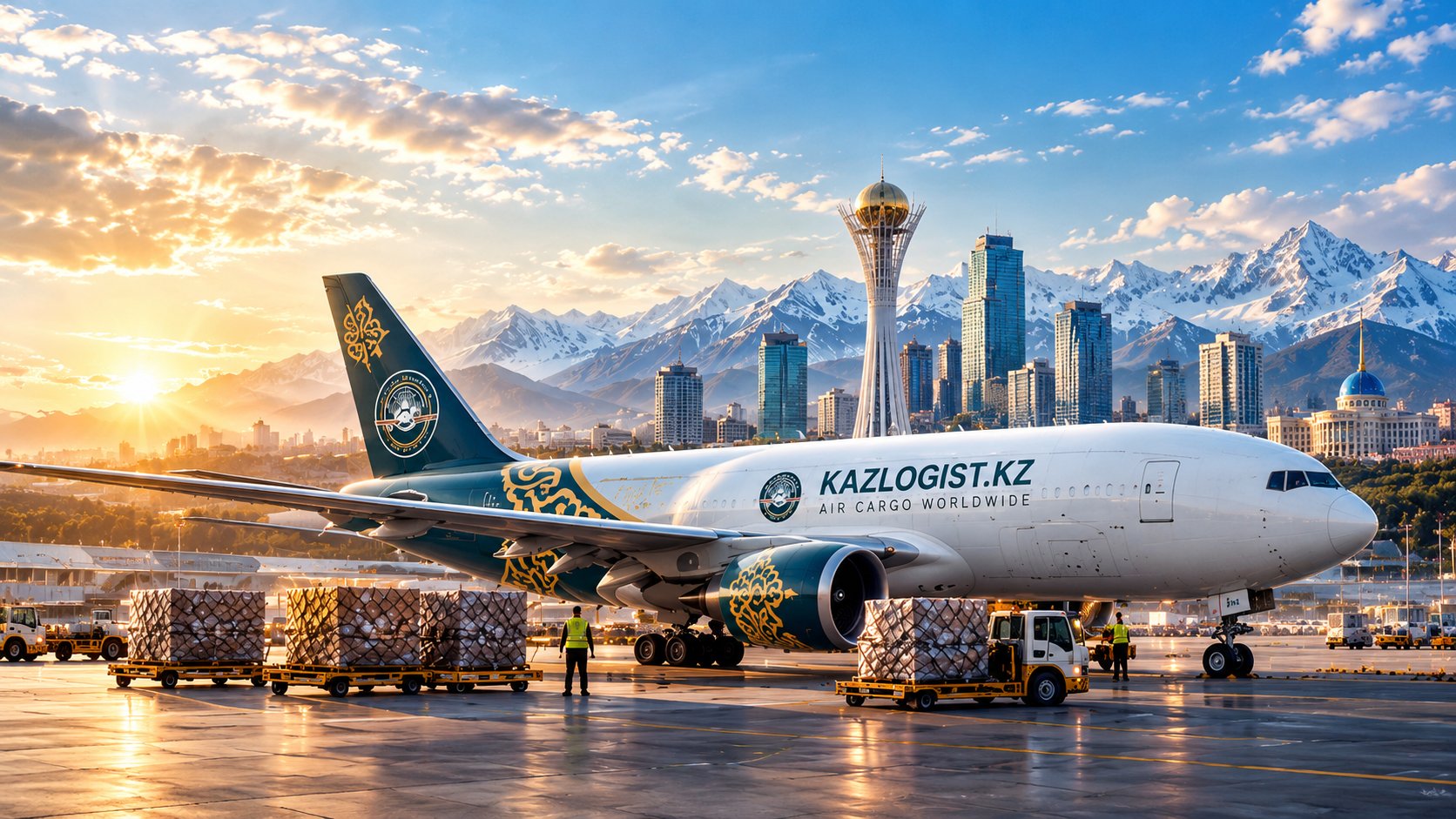
KAZLOGIST.KZ considers airport time slots when organizing international shipments, as any deviations from TAT standards can lead to the loss of a flight window and delay the arrival of goods by a day or more. Understanding ramp processes helps supply chain managers and logisticians objectively assess risks and plan inventory.
Key Stages of Cargo Aircraft Ground Handling
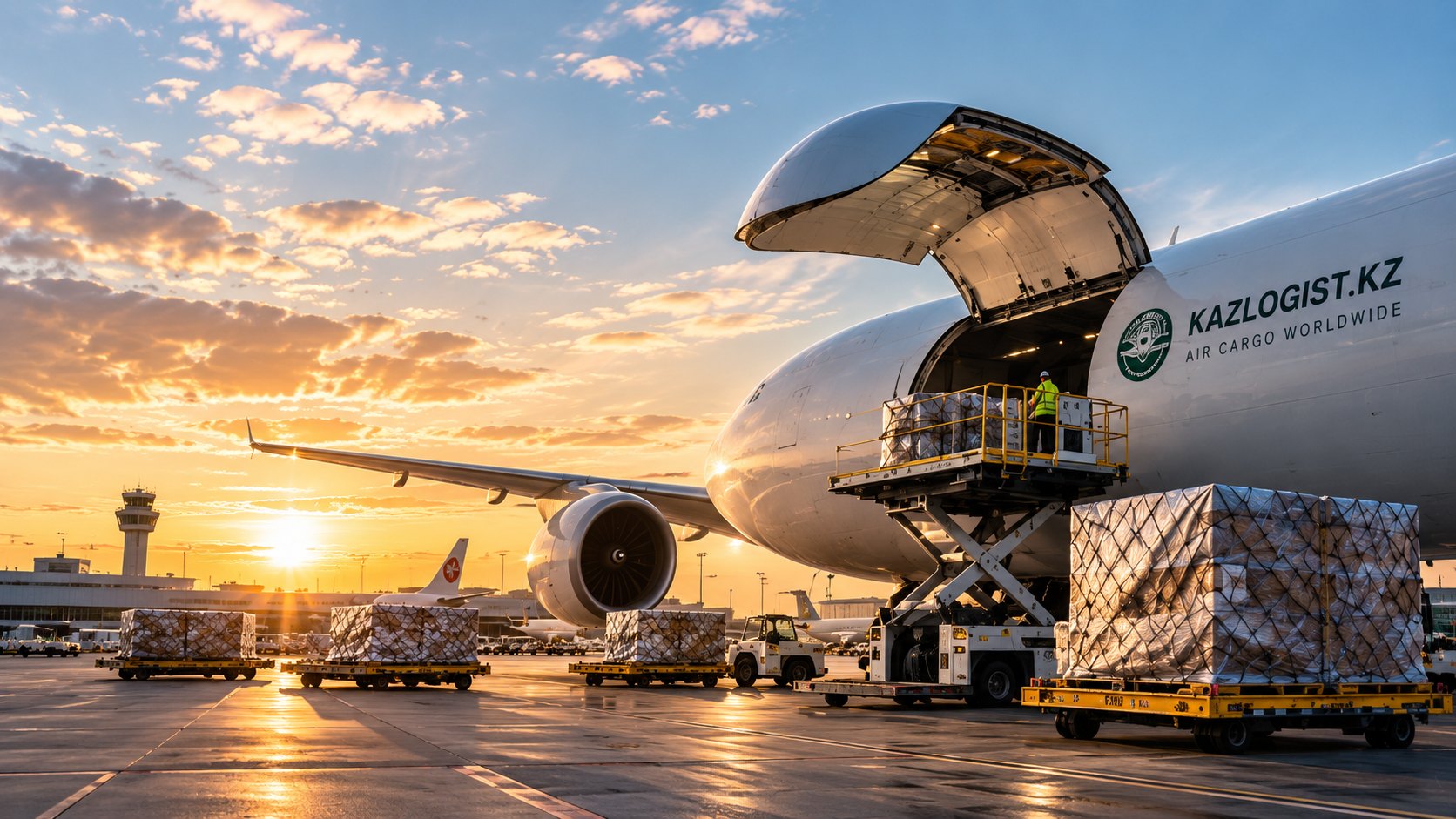
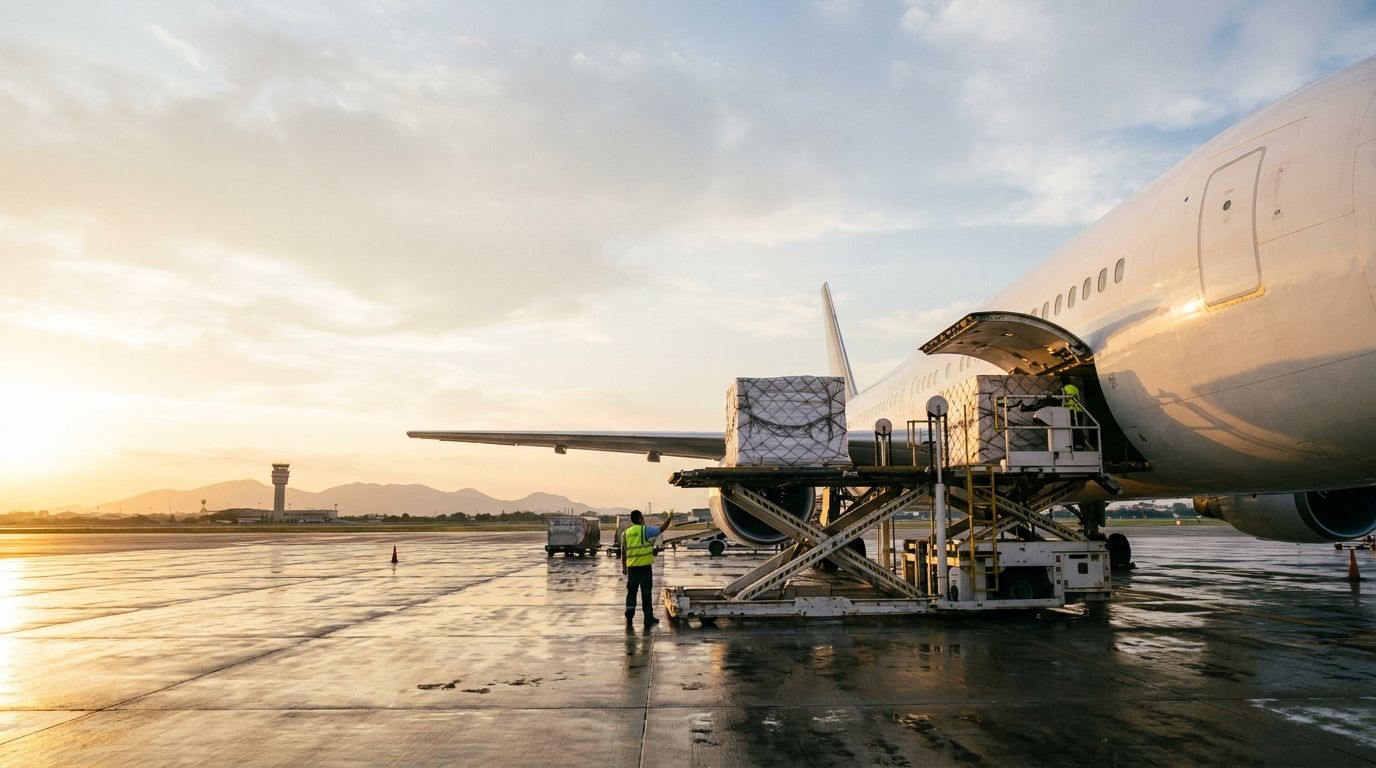
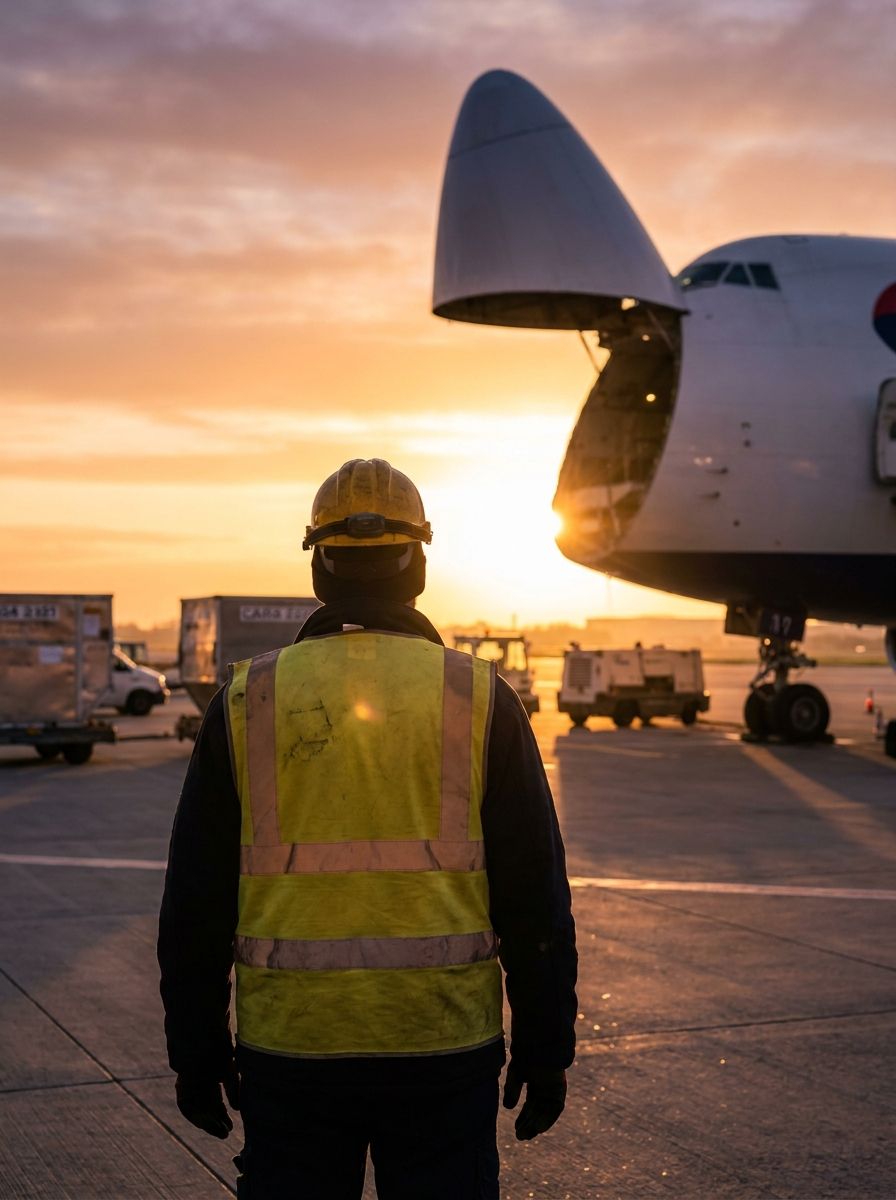
The process of servicing a cargo aircraft on the ramp involves a complex set of parallel and sequential operations. The main ones include:
- Chocking and Positioning: The start of the TAT countdown.
- Off-loading: Opening hatches, positioning high-loaders, and unloading ULD containers or pallets.
- Refueling: Usually occurs in parallel with cargo operations, adhering to safety protocols.
- Technical Inspection: Checking aircraft systems before the next flight.
- Loading: Positioning export cargo according to the manifest and weight and balance chart.
- Documentation: Handing over signed documents to the crew.
Typically, for narrow-body cargo aircraft (e.g., B737F), the TAT standard is about 45–90 minutes. For wide-body giants like the B747F or B777F, often used for deliveries from China or the USA, service time can range from 3 to 6 hours depending on cargo volume and airport infrastructure.
Factors Influencing Cargo Processing Speed
In practice, standards can shift. KAZLOGIST.KZ specialists highlight several key factors that slow down the process:
- Type of Cargo: Outsized or dangerous goods (DGR) require special attention and specific equipment for loading, which increases time on the ramp.
- Weather Conditions: Strong winds, icing, or thunderstorms can completely halt ground service operations.
- Document Readiness: If errors are found in the Air Waybill (AWB) or manifest during loading, the aircraft may be delayed until the data is corrected.
- Traffic Density: In major hubs in Europe and Asia, waiting for an available loader or fuel truck is a common occurrence.
If you require reliable air freight with control over every stage — from pickup at the supplier to release at the destination airport, KAZLOGIST.KZ specialists are ready to prepare a customized solution. We will calculate the cost, including all fees and the specifics of your cargo, within one hour during business hours.