





Using Data Loggers in Air Freight: How to Monitor Cargo Integrity
A practical guide to using data loggers for monitoring temperature, humidity, and shocks during air freight to Kazakhstan with KAZLOGIST.KZ.
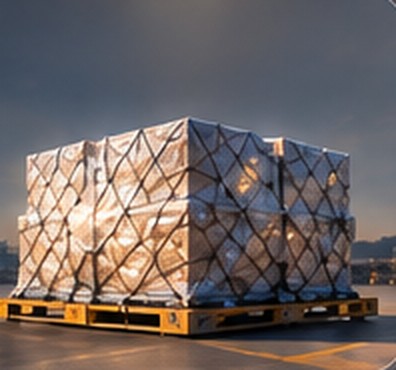
The Importance of Data Loggers in International Air Freight
When shipping high-tech equipment, pharmaceuticals, or perishable goods from the USA, Europe, or China to Kazakhstan, a visual inspection of the packaging is not enough. Externally, a box may look intact, but if a temperature breach or critical mechanical impact occurred inside, the product could be irremediably damaged. To solve this problem, KAZLOGIST.KZ recommends using data loggers — compact electronic devices that record environmental parameters throughout the entire journey.
For a supply manager or business owner, a logger is primarily a tool for investment protection. In case of cargo damage, the device's data becomes indisputable evidence during disputes with insurance companies or suppliers. Without such records, it is nearly impossible to prove at which stage (at the shipper's warehouse, at the airport, or during the flight) the failure occurred.
Types of Monitored Parameters
Modern devices allow tracking a wide range of conditions affecting cargo integrity. In KAZLOGIST.KZ practice, the following types of monitoring are most commonly used:
- Temperature Control: Critically important for vaccines, reagents, and electronics. The logger records any deviations from the set range.
- Humidity: Necessary for monitoring during the transport of leather goods, paper, or sensitive microcircuits that may oxidize.
- Shock and Vibration (G-force): Sensors record drops or rough handling. This is especially relevant for industrial equipment and optics.
- Light Sensors: Record the moment the packaging is opened, helping to prevent theft or unauthorized access.
IATA Requirements and Lithium Batteries
An important nuance that shippers often overlook: most data loggers run on lithium batteries. According to IATA DGR rules, these devices themselves can be classified as dangerous goods. However, exceptions are provided for most modern loggers if they meet certain power standards. KAZLOGIST.KZ always checks the logger type before departure to avoid delays at aviation security services.
How to Properly Place a Logger in Your Cargo
The effectiveness of monitoring directly depends on exactly where the device is fixed. KAZLOGIST.KZ specialists recommend adhering to the following rules:
- Placement Inside Packaging: The logger should be as close as possible to the product itself, rather than the outer wall of the box.
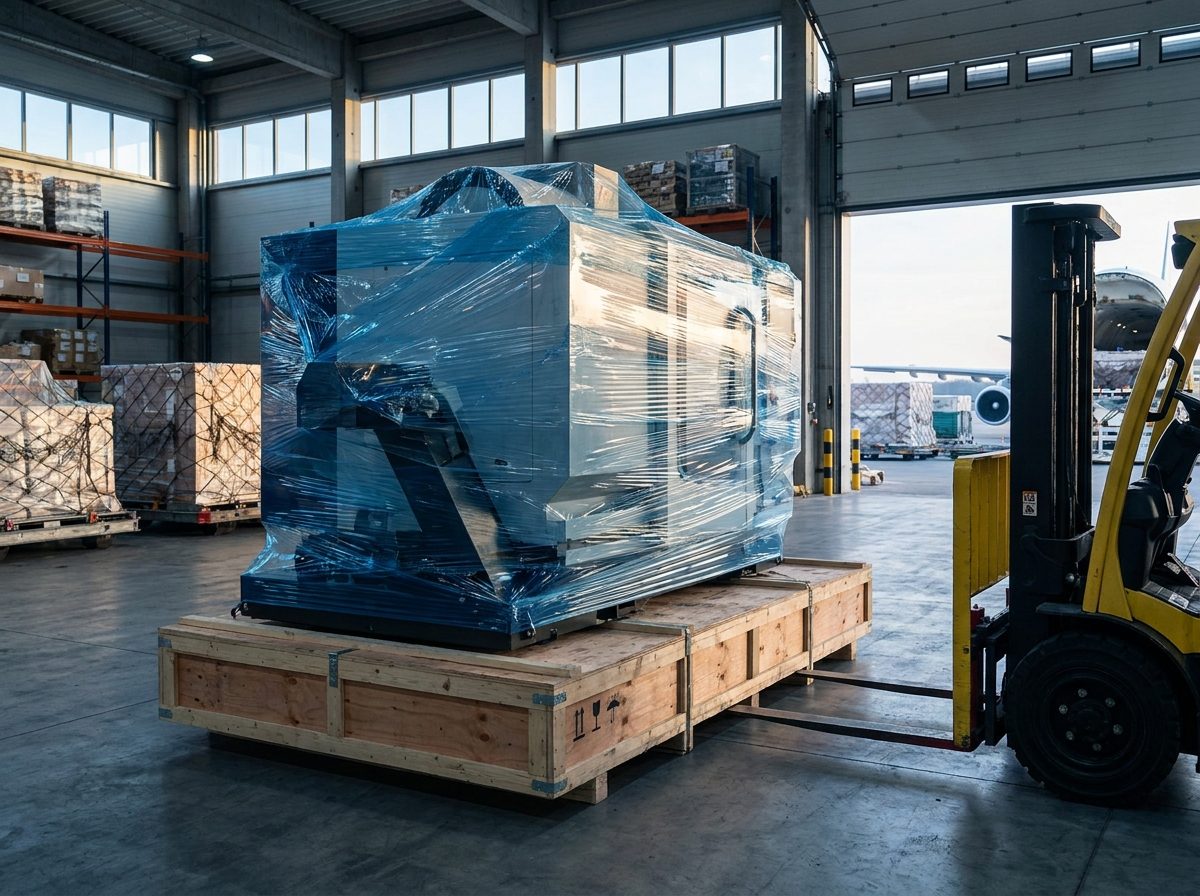
- Redundancy: For large batches or valuable outsized cargo, it is better to use two devices in different parts of the pallet (e.g., top and bottom).
- Marking: A special sticker notifying about the presence of a logger should be applied to the outer packaging.
If you are planning to ship complex or sensitive equipment, please contact us. KAZLOGIST.KZ specialists will advise you on packaging issues and help you choose the optimal route, taking safety requirements into account. For an accurate calculation of air freight costs considering all the features of your cargo, please leave a request, and our manager will contact you within an hour during business hours.