


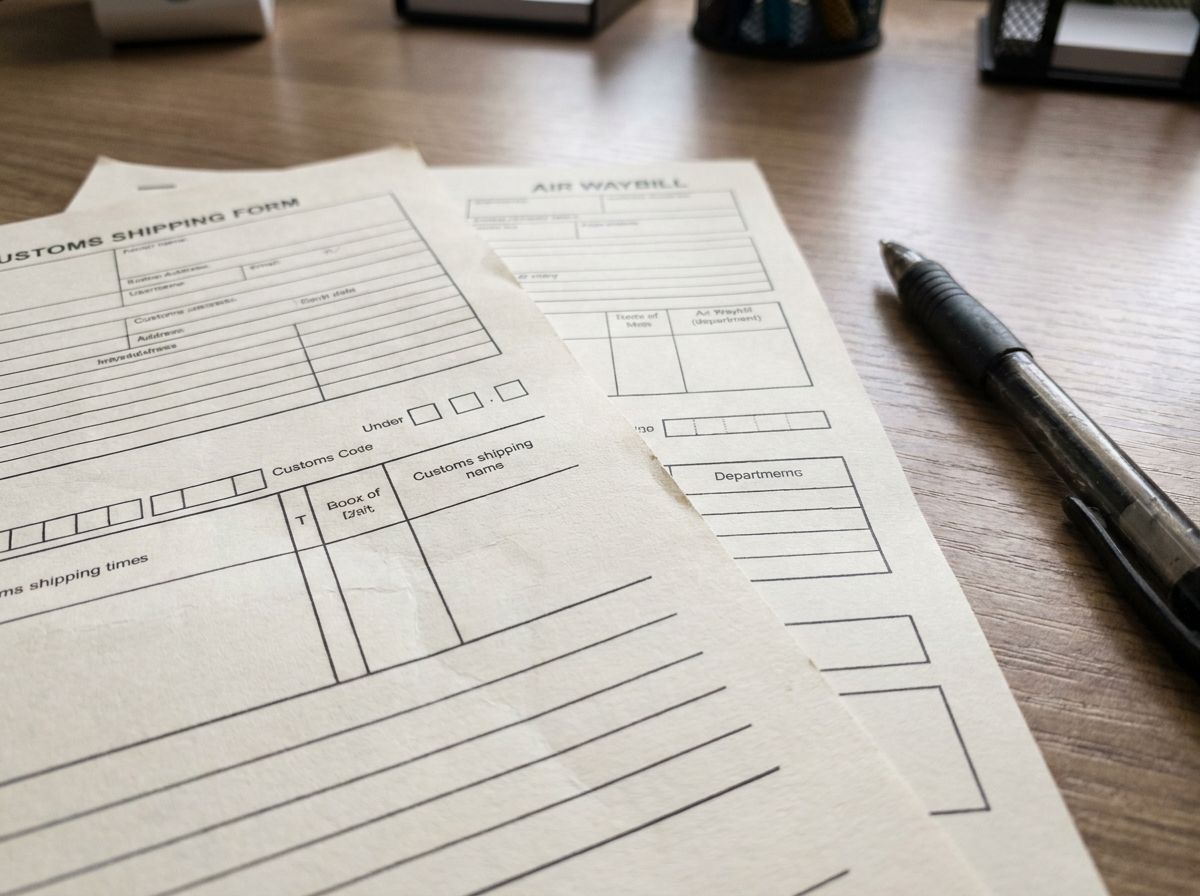


Drafting a Commercial Act (Irregularity Report / Cargo Damage Report)
Learn how to properly draft a commercial act when cargo damage or shortage is detected. A practical guide for importers from KAZLOGIST.KZ.

What is a Commercial Act and Why is it Necessary?
In international air freight, a commercial act, often referred to as an Irregularity Report (IR) or Cargo Damage Report, is the primary legal document recording any discrepancies in cargo during its release at a temporary storage warehouse (TSW). For a KAZLOGIST.KZ client, this document serves as the only valid basis for filing claims against the airline, insurer, or warehouse.
If you discover that the packaging is torn, boxes are wet, or the number of pieces does not match what is stated in the Air Waybill (AWB), drafting an act is mandatory. Without this document, it is nearly impossible to prove that the damage occurred during transportation and not after you collected the goods from the airport. The act records the condition of the cargo at the moment responsibility shifts from the carrier to the consignee.
Types of Irregularities in Air Delivery
Irregularities can vary, and each must be clearly classified in the act. KAZLOGIST.KZ specialists highlight the following main categories:
- Shortage: the actual number of pieces is less than declared in the documents.
- Damage: physical damage to the packaging or the goods themselves (dents, tears, chips).
- Pilferage: signs of tampering and missing contents despite the external container remaining intact.
- Wetness: signs of moisture exposure, which is critical for electronics or textiles.
- Over-shipment: the presence of extra pieces not listed in the AWB.
Step-by-Step Instructions for Drafting the Report
The process begins the moment the cargo is inspected at the terminal. If you spot a problem, do not sign the receipt documents without reservations. The procedure should be as follows:
1. Stop the acceptance process. Upon discovering damage, immediately invite a warehouse representative and, if possible, an airline representative. KAZLOGIST.KZ recommends always having a camera or smartphone ready for documentation.
2. Photo documentation. Take photos of the cargo against the warehouse background to establish the location. Photograph the markings, the AWB number on the tag, and the damage itself from various angles. Important: photograph the cargo before it is opened or moved.
3. Filling out the form. The act must include: flight number, date of arrival, AWB number, type of packaging, and a detailed description of the damage. Avoid vague phrases like "cargo damaged." Be specific: "box #5 has a through tear of 20x30 cm, contents are visible."
4. Weighing. Demand a control weighing of the damaged pieces. Compare the actual weight with the weight stated in the documents. A weight discrepancy is a key argument in any dispute.
What to Look For and Where Money is Lost
The main mistake made by logisticians and procurement officers is inattention to detail. For example, if you are transporting temperature-sensitive cargo and see that the logger indicator has been triggered, this must be entered into the Irregularity Report. If you ignore this at the warehouse and discover spoiled goods at your own facility, the claim will be rejected.
It is also vital to check the integrity of the tape. If "foreign" tape or signs of re-taping are visible on a box, it is a reason for a detailed inspection with a commission. Remember that the airline's liability is limited by the Montreal Convention and only applies if a properly executed commercial act is present.
The Role of KAZLOGIST.KZ in Protecting Client Interests
We handle the full support of air freight: from picking up the cargo from the sender in Europe, China, the USA, or Asia to the moment of delivery. In case of issues, our specialists advise clients on the correct completion of acts and the further steps for filing a claim. We work with trusted partner airlines, which reduces the likelihood of incidents, but we are always ready to protect the customer's interests if they occur.
A correctly drafted Cargo Damage Report is not just a formality; it is your financial shield. Thorough inspection and recording of every detail allow you to avoid losses and maintain transparent relationships with suppliers and logistics providers.
To calculate the cost of your next air shipment and receive a consultation on the necessary documents, please contact our managers.