
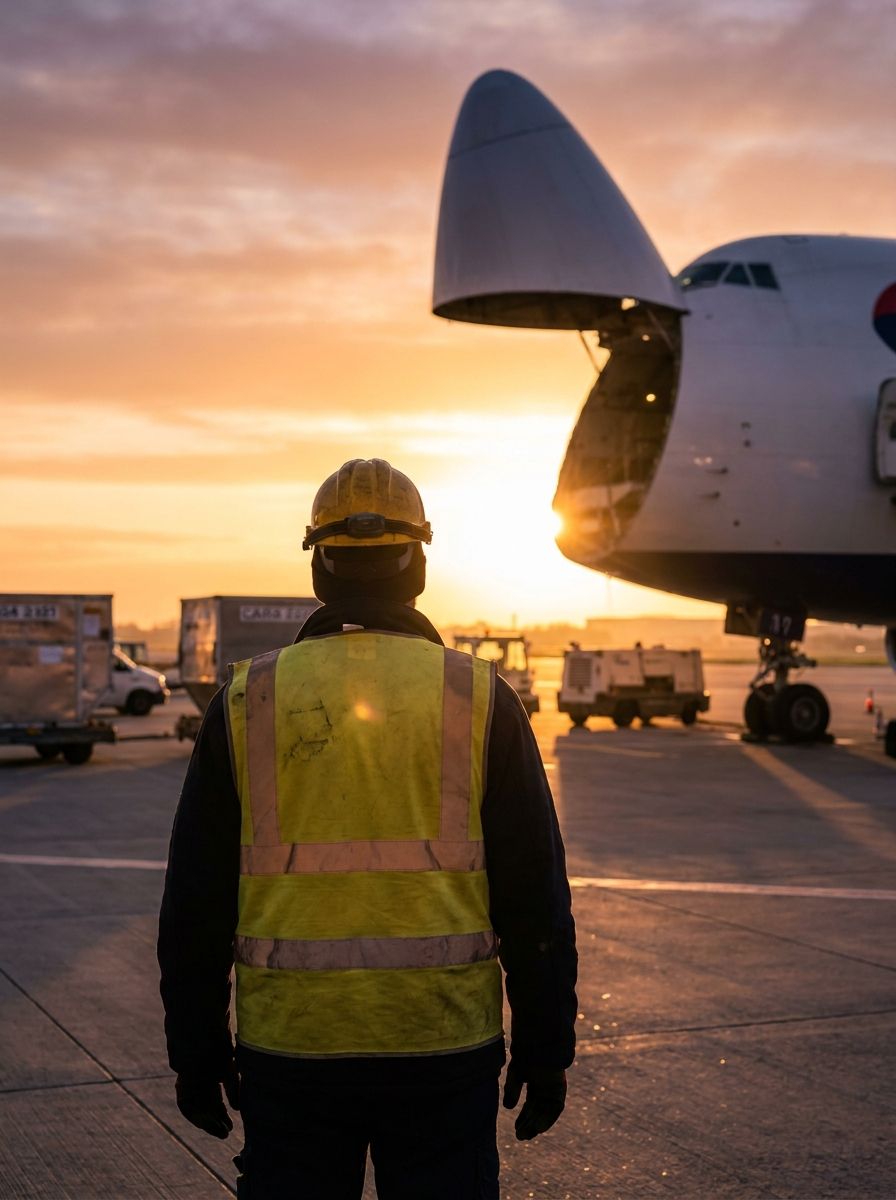

Document Flow Digitalization: The e-Freight Standard
How the transition to electronic air waybills and digital data exchange accelerates cargo delivery to Kazakhstan and reduces customs delay risks.
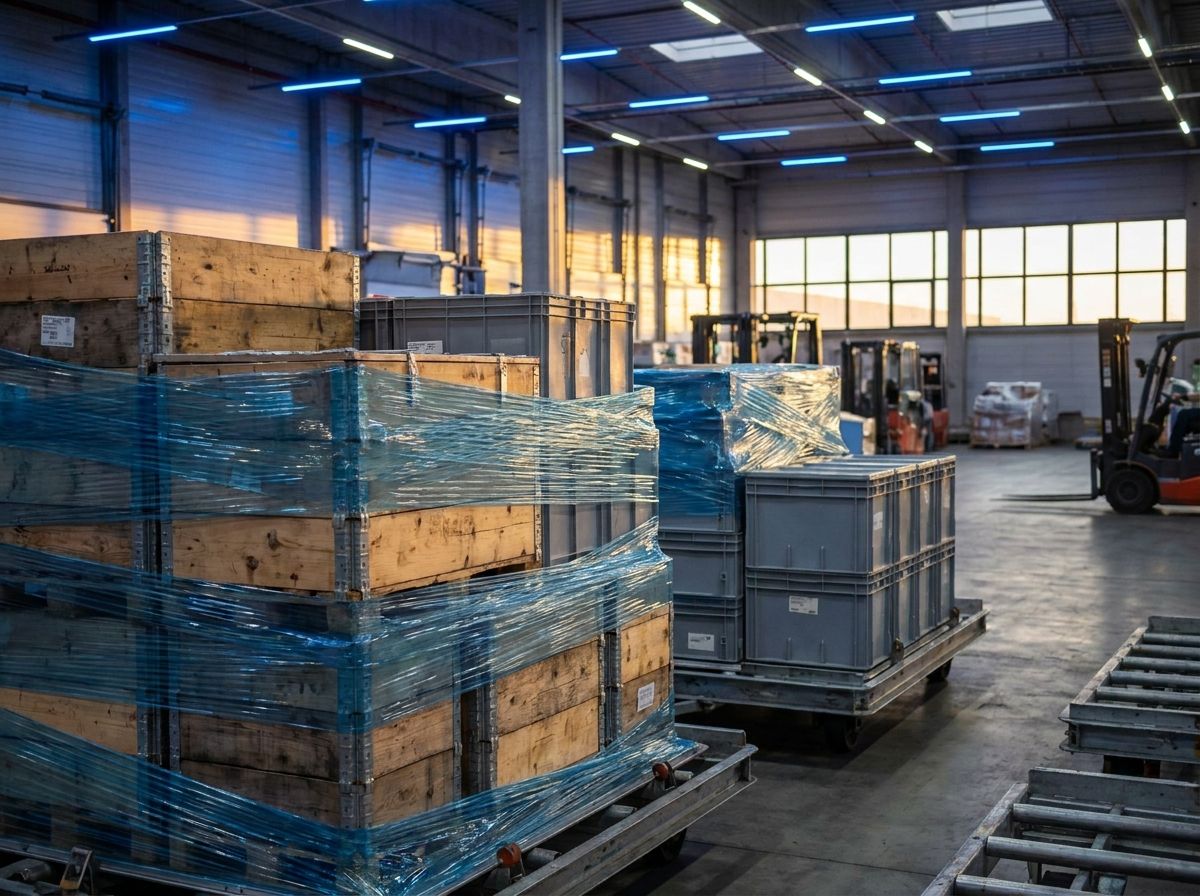
What is e-Freight and Why It Matters for Business
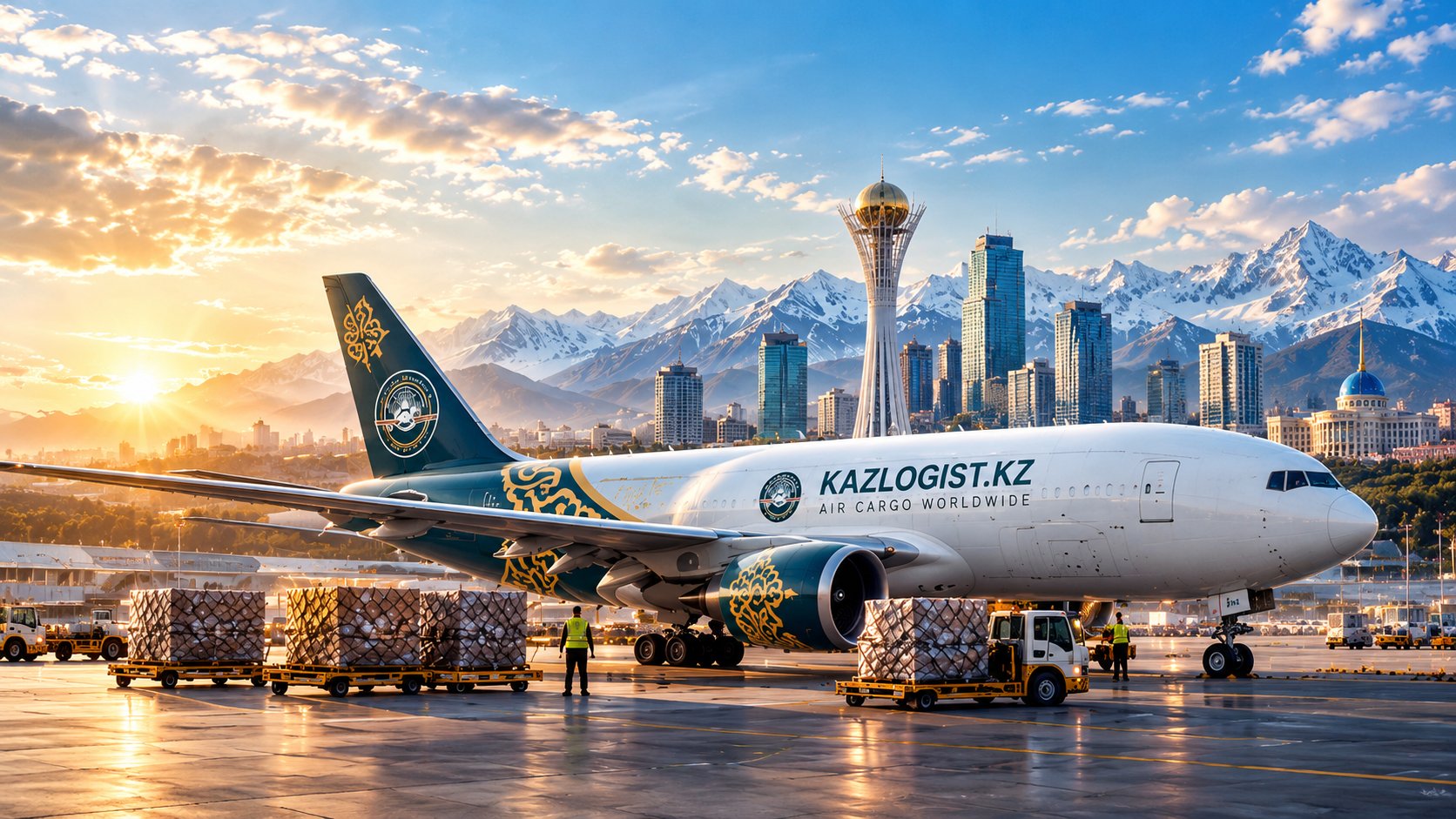
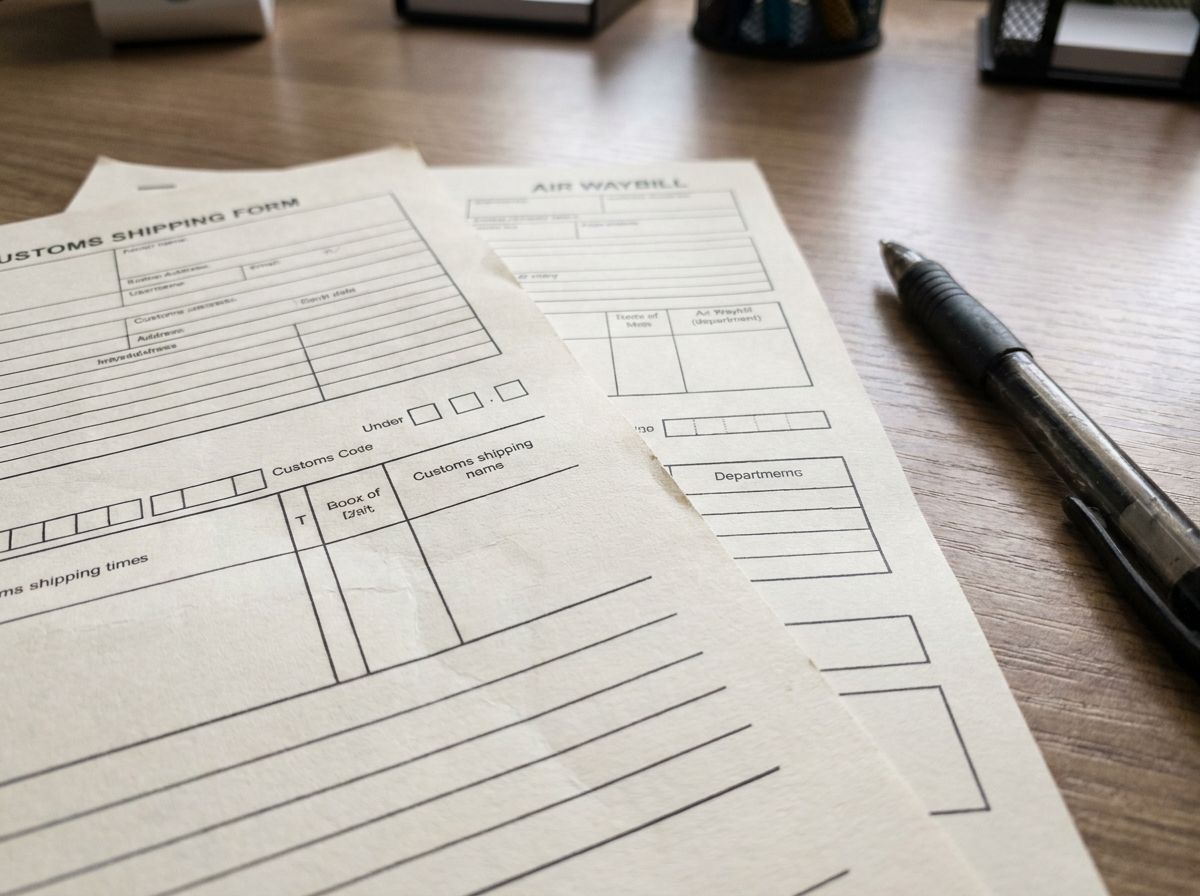
In the field of international air freight, the e-Freight standard is an IATA (International Air Transport Association) initiative aimed at completely replacing paper documents with their electronic equivalents. Historically, a single air shipment could be accompanied by a package of 20 or more paper sheets: invoices, packing lists, certificates, and air waybills. This not only slowed down the process but also created risks of losing documents or errors during manual data entry. KAZLOGIST.KZ specialists note that digitalization is not just a trend, but a way to reduce cargo handling time at terminals and accelerate customs clearance.
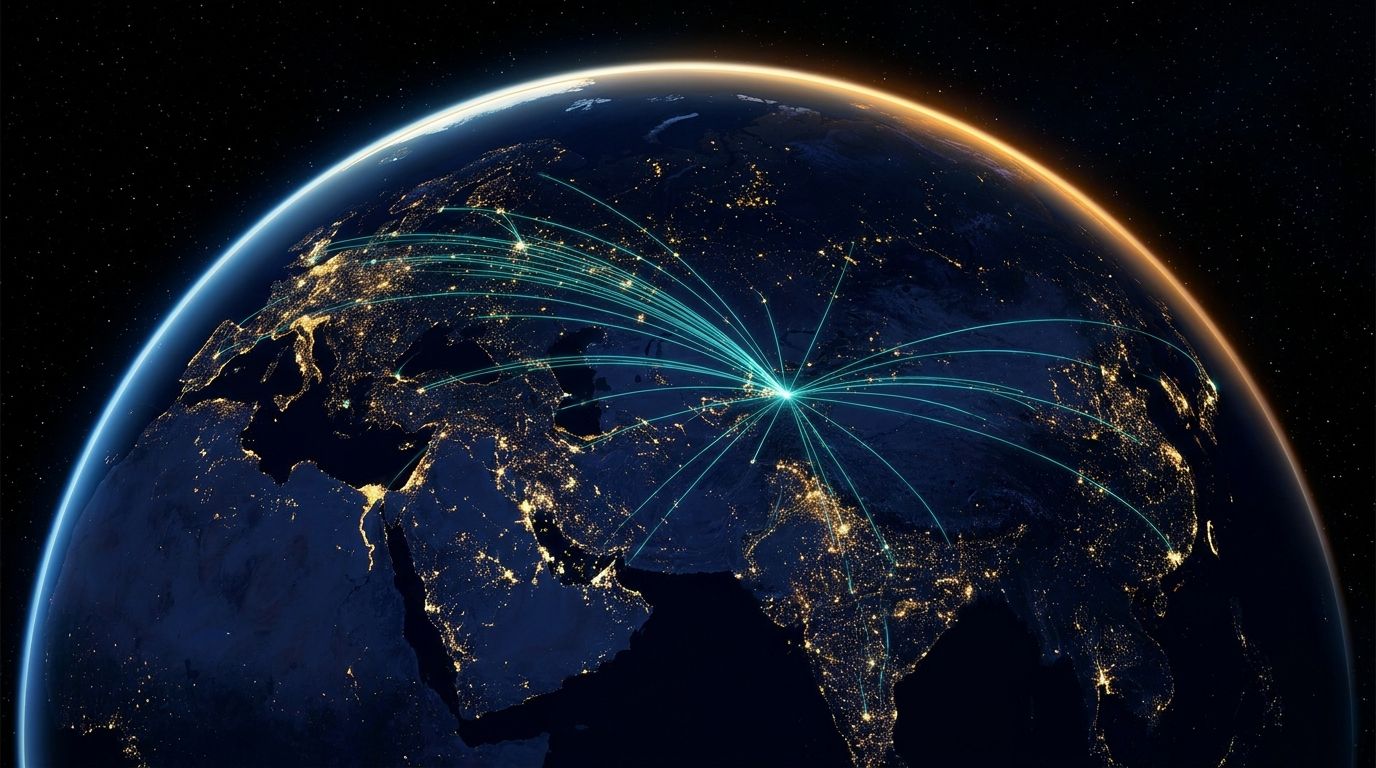
For a supply manager or business owner, implementing electronic standards means transparency. When data is transmitted digitally, it becomes available to all participants in the chain — from the airline to the customs broker — even before the aircraft lands at Almaty or Astana airport. This allows for early preparation of the import declaration and minimizes downtime at the temporary storage warehouse.
Benefits of Transitioning to the Electronic Air Waybill (e-AWB)
The key element of e-Freight is the e-AWB (Electronic Air Waybill). The air waybill is the primary contract between the shipper and the carrier. Switching to the electronic version provides several practical benefits:
- Reduced operational risks: a paper waybill can be lost during transshipment in European or Chinese transit hubs. The electronic record is stored in the system and is instantly accessible.
- Data accuracy: information is entered once and duplicated across all systems. This eliminates typos in HS codes, weight, or recipient address, which often cause customs fines.
- Processing speed: KAZLOGIST.KZ partner airlines prioritize cargo with e-AWB, as its processing at the airport of departure takes less time.
How Digitalization Affects Delivery Times to Kazakhstan
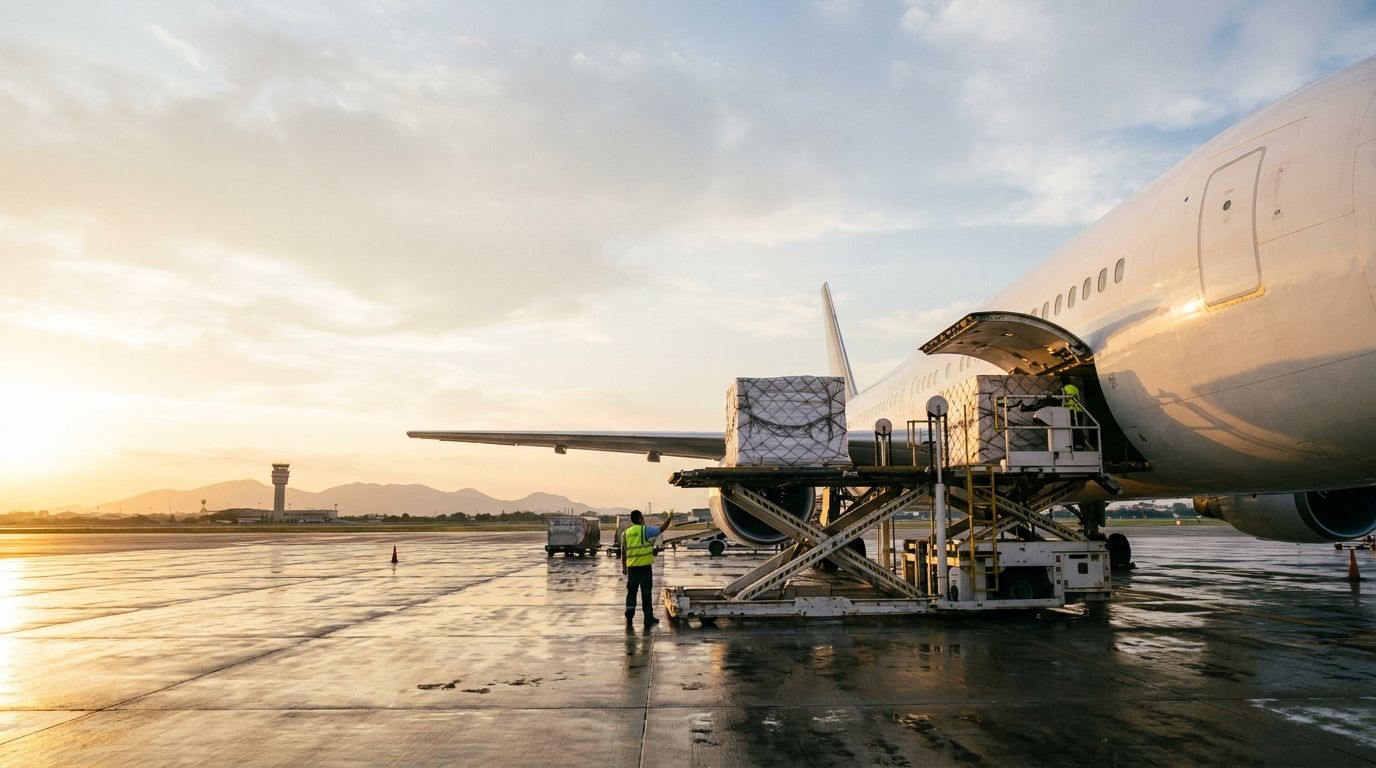
Using e-Freight standards directly impacts the overall logistics chain. When KAZLOGIST.KZ organizes delivery, for example, from Europe (usually 3–5 days) or the USA (approximately 5–8 days), every hour counts. With paper document flow, a customs broker in Kazakhstan is often forced to wait for the physical arrival of documents along with the flight. In the digital model, invoice and packing list data can be transmitted to the customs system in advance.
This is especially critical for special cargo. For instance, when transporting dangerous goods (DGR) or temperature-sensitive goods, any delay due to incorrectly processed paperwork can lead to product spoilage or additional storage costs. The digital format allows for checking the safety data sheet (MSDS) and shipper's declaration at the flight booking stage.
The Role of the Freight Forwarder in Digital Data Exchange
KAZLOGIST.KZ acts as a link between the shipper, the airline, and government authorities. We take responsibility for checking the document package before departure. Within the framework of digitalization, this includes:
- Checking the correctness of HS codes in the commercial invoice.
- Comparing weight and dimensions in the packing list with booking data.
- Generating the electronic air waybill and monitoring its status in the airline's system.
If you are shipping cargo from China or Asia (usually 3–6 days), we ensure timely data transmission through our agent network. This avoids situations where the cargo has arrived, but the documents are "stuck" at the point of origin or transit.
If you need to organize the delivery of a commercial batch or urgent cargo to Kazakhstan, contact us for an accurate shipping calculation, taking into account all current documentation requirements.