




Industrial mill equipment: air freight to Kazakhstan without extra delay
A mill is not just a heavy crate. Dimensions, lashing, paperwork and flight type decide whether cargo moves or sits at the terminal. A practical checklist.
What a “mill” usually means in a booking request
In procurement chat a “mill” may be a rolling mill, press, cutting line, textile or woodworking line, or a single module. For the airline it is not a product name but parameters: actual and volumetric weight, piece dimensions, centre of gravity, tilt limits, oils and batteries, fragile assemblies.
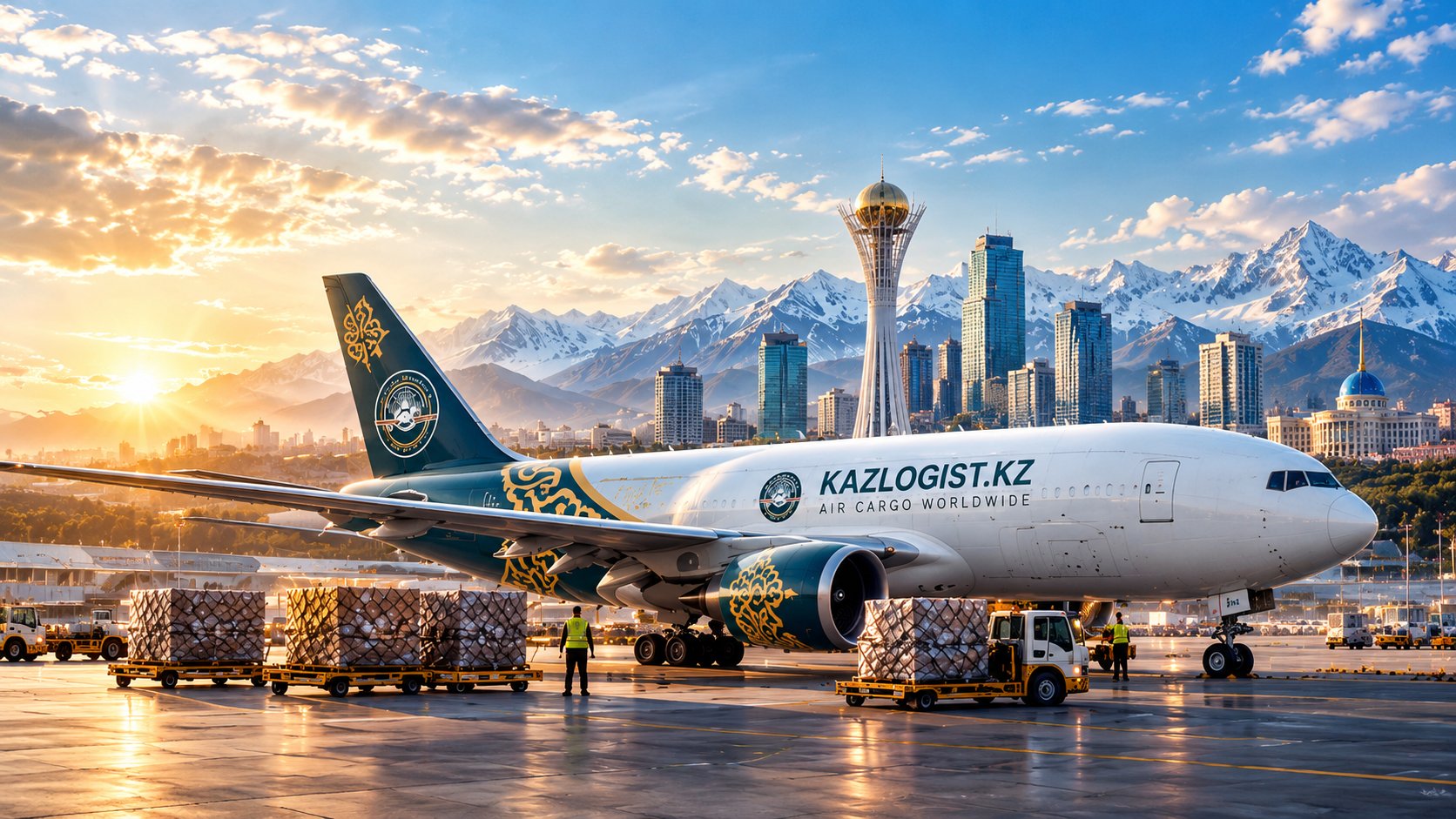
Until those figures exist, partner-airline space is a guess. KAZLOGIST.KZ handles pickup, export clearance, AWB, delivery to the destination airport and consignee, but piece weights and photos come from the shipper or your plant inspector.
Sequence before the booking
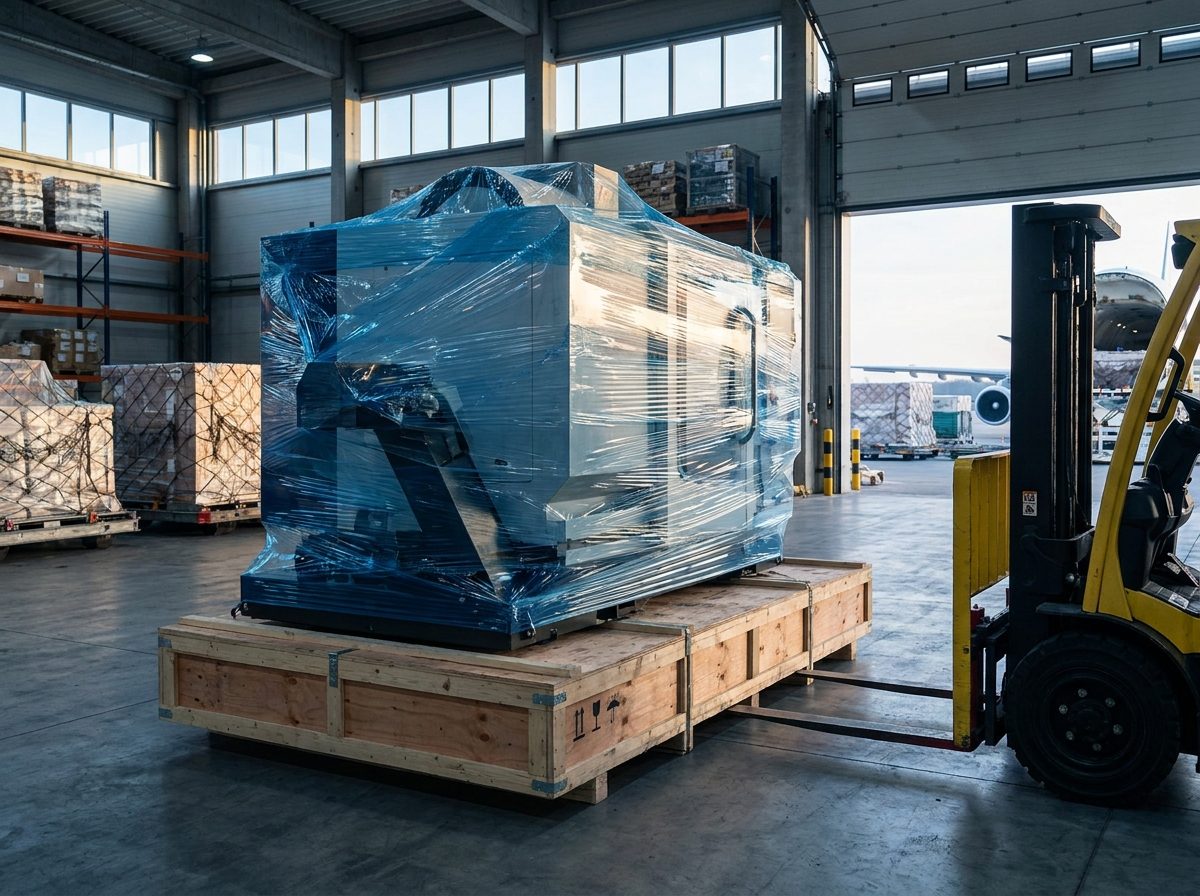
Lock the bill of materials: frame, rolls, cabinets, tooling, spares. A mill is often split: heavy bed, electrical cabinet, rollers in crates. That reduces door-opening risk and reserves a wide-body freighter only for pieces that need it.
- Drawing with L × W × H and lifting points per piece.
- Gross and net weight, packing material, pallet or skid.
- Tilt and stack limits; centre of gravity.
- Oils, hydraulics, CNC lithium batteries, preservation aerosols — flag as DGR immediately.
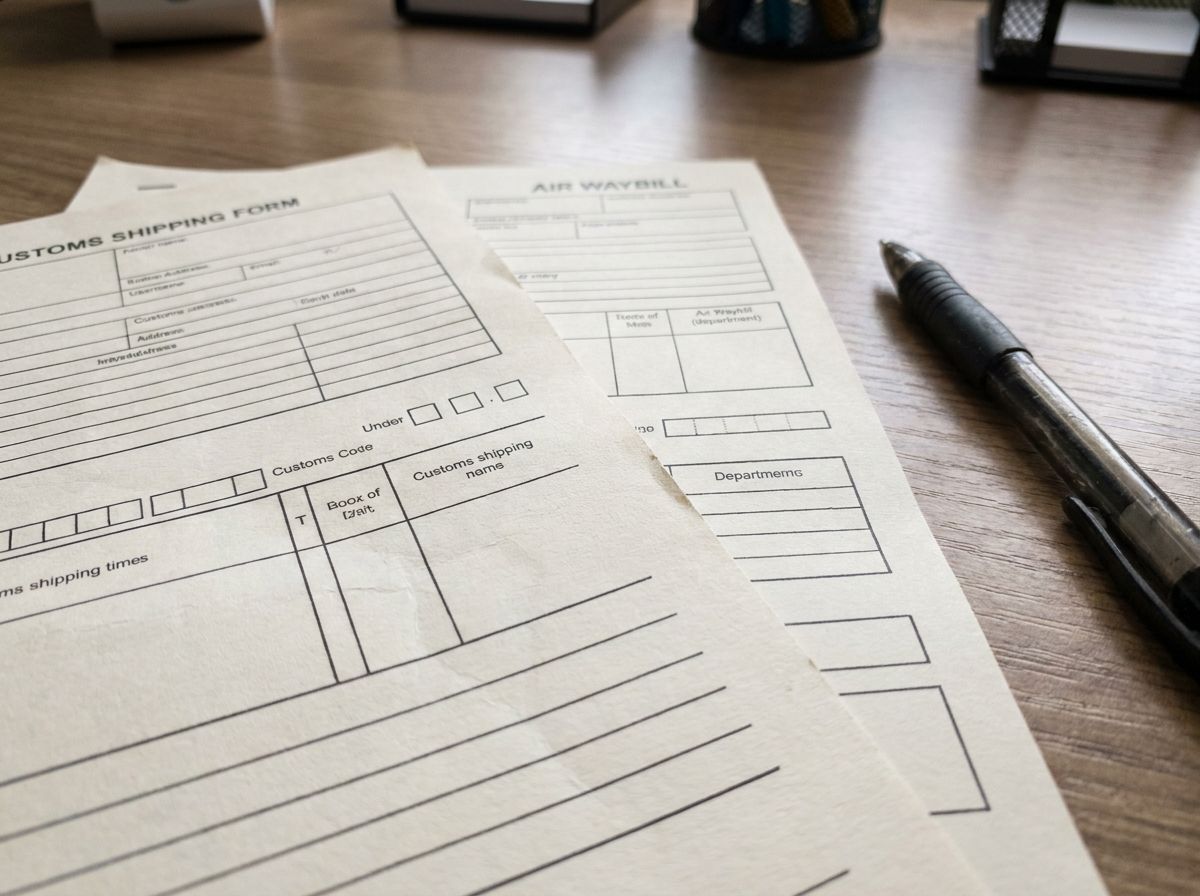
- Commercial invoice with HS codes, packing list by piece, contract or proforma.
The document set is checked before departure. A wrong code, piece weight or missing certificate of origin creates delay on Kazakhstan import, not “in the air”.
Where money and time leak
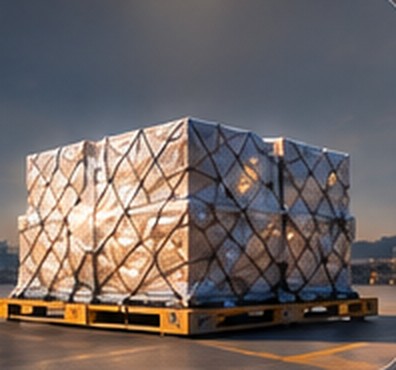
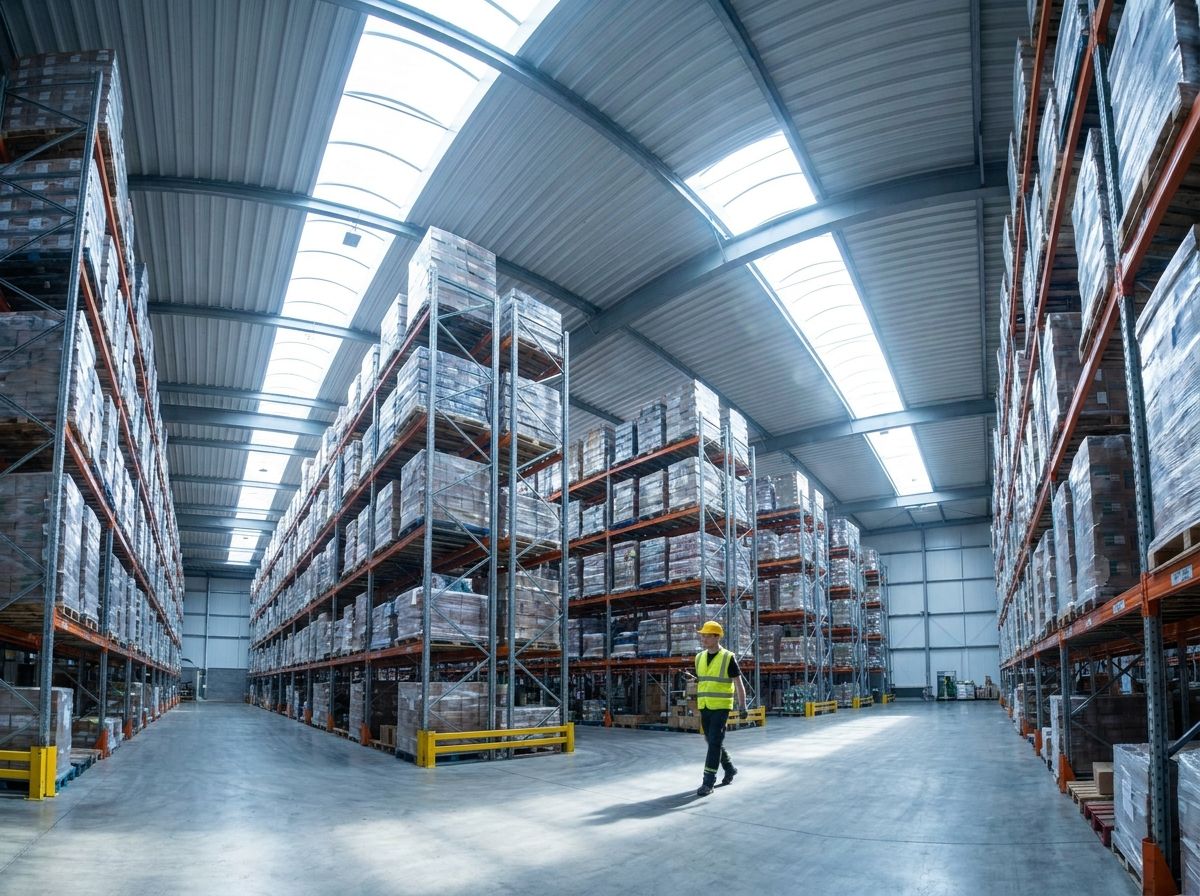
First leak is volume. Airlines charge the greater of actual and volumetric weight. Volumetric weight = L × W × H (cm) / 6000. Tall crates “for safety” without rework inflate the per-kilo rate. Warehousing — multi-supplier consolidation, re-pack, palletising, photo report — removes air and records condition before acceptance.
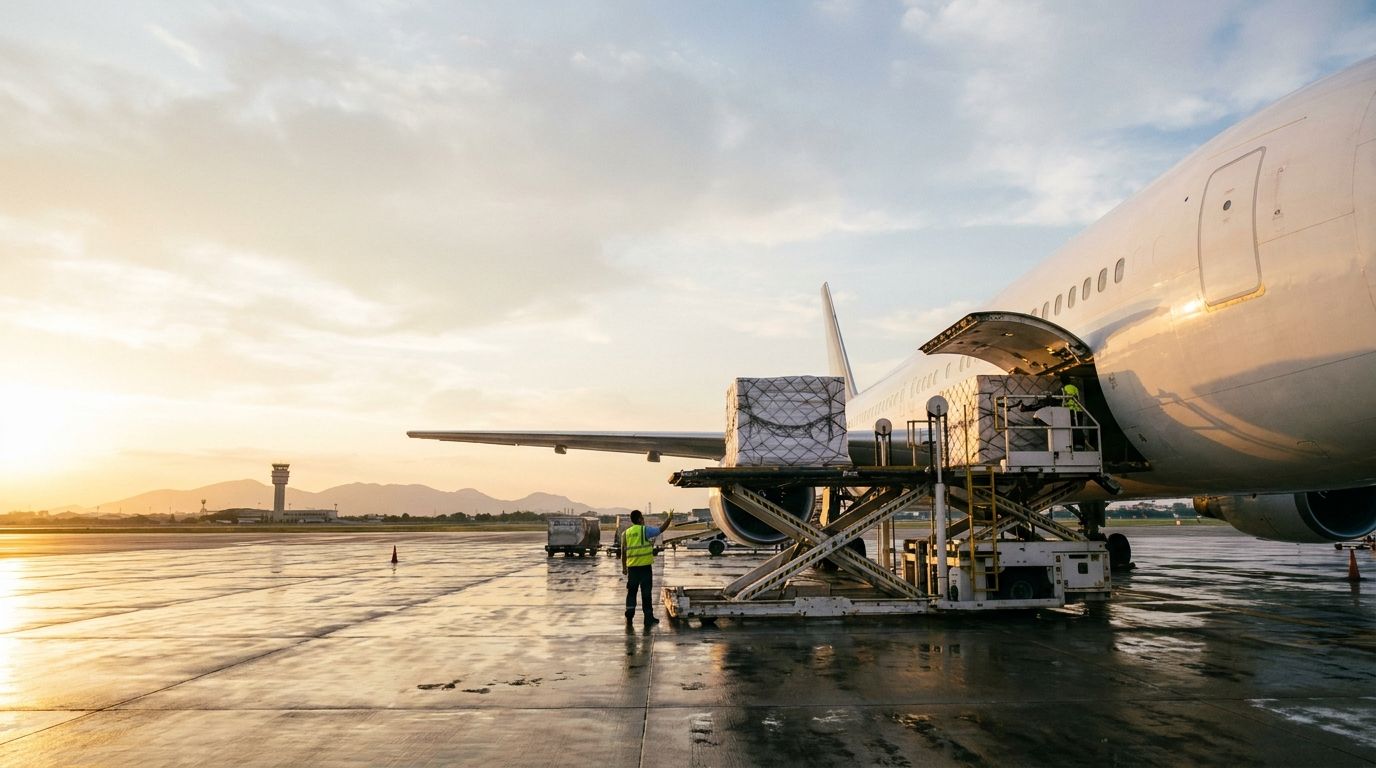
Second leak is out-of-gauge cargo without a lashing plan. You need special pallets, a tie-down scheme and high-lift unloading. If the bed is declared as a standard pallet, passenger-hold space will not fit; some cargo is cargo-aircraft only.
Third is “urgency after the fact”. Timing is counted from leaving the shipper warehouse to release at the destination airport: Europe → Kazakhstan typically 3–5 days, China/Asia 3–6, Middle East 2–4, USA 5–8. Urgent lifts are usually 2–3 days if space exists. Door delivery adds about one day. If the mill is still on the line and not preserved, the flight calendar will not help.
Hazardous and “almost general” parts
Power packs, preservative greases, paints and controller lithium batteries move under IATA DGR: MSDS/SDS, certified UN packing and marks, shipper’s declaration. Some items are CAO only. Hiding a battery in a console is a classic offload.
Temperature control is less common, but adhesives, sealants and electronics may need thermal containers, loggers and priority handling, with a temperature report to the consignee.
Customs and the Kazakhstan consignee
Import needs an HS invoice, packing list, AWB, contract or invoice basis; origin and conformity or sanitary papers when required. Customs support covers export at origin and import assistance. KAZLOGIST.KZ is based in Almaty and works with companies and private shippers. Legal entities pay under contract by bank transfer.
There is no minimum weight: from 1 kg of spares to large lots. Charter and hand-carry fit a line-critical spare when plant downtime exceeds air cost. Exhibition mills often need re-export — that document loop is set in the request, not on the ramp.
A manager quotes only after route, weight, volume, cargo type and urgency: per-kilo rate, fuel and security, terminal handling, AWB and export declaration, pickup and delivery. No ballpark tariffs — a calculation in business hours after contacts.
Send the lane, piece sizes and mill breakdown — we will calculate the air move for your shipment.