





Live Animals Regulations: shipping live animals by air to Kazakhstan
A practical look at IATA Live Animals Regulations for buyers and logistics managers: documents, containers, booking, veterinary rules, and where time is lost on China, Europe, Turkey and US lanes.

What Live Animals Regulations are and why a logistics manager should care
Live Animals Regulations (LAR) are the IATA rules for moving live animals by air. They are not optional paperwork. Airlines treat them as a hard standard: species, container, feeding, temperature, density on the pallet, compatibility with other cargo, and remarks on the AWB. Without LAR compliance there is no booking, and the shipment is pulled from the flight.
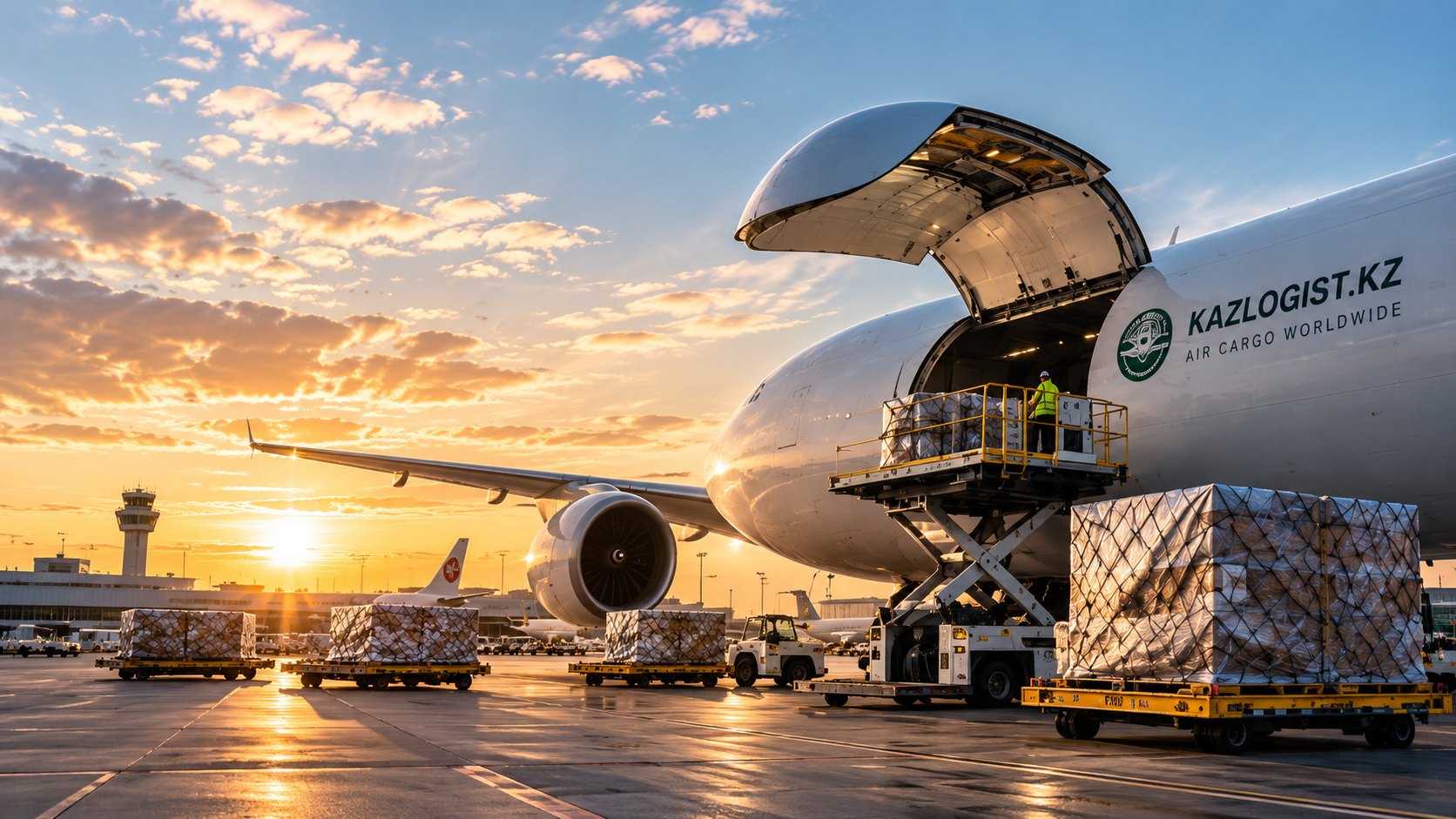
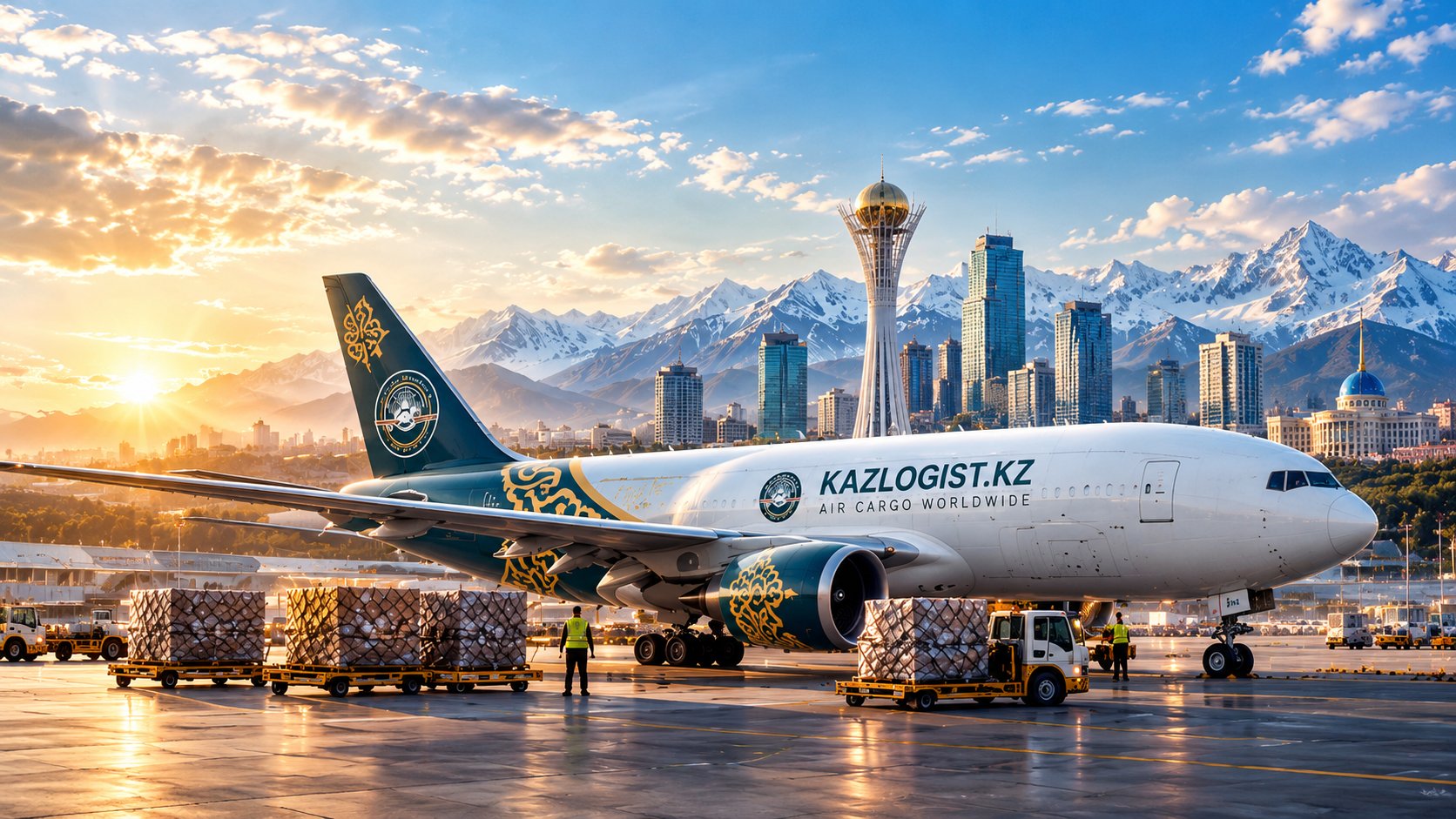
For a buyer this is a distinct special-cargo type. KAZLOGIST.KZ handles special cargo (temperature-controlled, high-value, DGR, oversized) and takes pickup, export clearance, the AWB, space with partner airlines, and delivery to the destination airport. Live animals need the same document and slot discipline as temperature cargo, plus a veterinary track.
When a shipment falls under LAR
Mammals, birds, reptiles, amphibians, fish and invertebrates fall under the rules when they move as cargo, not as passenger baggage. Typical commercial cases: breeding stock and poultry, laboratory lines, aquarium lots, working and exhibition animals with return export.
- Check the species in the current LAR edition and in the airline’s own rules — they can be stricter than IATA.
- Confirm whether the routing accepts cargo-only flights: some animals, like some DGR, are not loaded on passenger aircraft.
- Compatibility: predators, rodents, birds and strong-smelling feed often cannot sit together.
- Season and embargoes: heat, cold, holidays and sanitary bans in origin or transit can stop acceptance with little notice.
Indicative transit for ordinary air freight with KAZLOGIST.KZ: Europe to Kazakhstan 3–5 days, China/Asia 3–6 days, Middle East 2–4 days, USA 5–8 days; urgent lifts 2–3 days if space exists. For live animals the clock still runs from the shipper’s warehouse to release at the destination airport, but the departure window is tighter: you need a confirmed slot and airport acceptance. Door delivery is usually plus one day — only if the consignee can receive live cargo outside the airport.
Documents: where shipments most often stop
The pack is wider than a standard Kazakhstan import. The base is the same: commercial invoice with HS codes, packing list with weight and dimensions per piece, AWB, contract or supporting invoice. Add veterinary certificates of the origin country, import permits, quarantine conditions, and if needed a certificate of origin and permits. KAZLOGIST.KZ checks the pack before departure.
- Invoice and packing list must match headcount/pieces and the AWB description (live-animal code, handling).
- Veterinary certificate — with current vaccination and lab dates; one day overdue means offload.
- Kazakhstan import permits are obtained in advance; “we will agree after arrival” does not work.
- Protected species need CITES and related permits — a separate queue, not a routine conformity certificate.
The AWB must state that the cargo is live, temperature and ventilation needs, and a 24/7 contact. A wrong handling code delays the same way a wrong HS code delays customs.
Container, chargeable weight and booking
LAR defines the container type by species: ventilation, drinkers, partitions, non-soaking materials. A homemade crate “as for spare parts” will be refused. Marking: this-way-up arrows, live animals, contacts, no stacking if the species rules say so.
Airlines charge the greater of actual and volumetric weight. Volumetric weight = length × width × height (cm) / 6000. The rate includes the per-kilo charge, fuel and security surcharges, terminal handling, AWB and export declaration, pickup and delivery. Animal containers are often “full of air”: you pay cube, not kilograms of mass. KAZLOGIST.KZ quotes only after a manager calculation — route, weight, volume, cargo type and urgency. Consultants do not give ballpark prices.
Space is booked only after origin and destination stations confirm live-animal acceptance. There is no minimum weight: KAZLOGIST.KZ moves from 1 kg to large lots, but live cargo is a special slot, not a fill-in on a cosmetics consolidation.
Where money and time are lost
- Late veterinary inspection: certificate issued after the flight closed for acceptance.
- Non-LAR container: airport reboxing kills the slot.
- No backup flight if the aircraft delays: live cargo sitting on the apron is a mortality and claim risk.
- Transit without live-animal rights: the shipment sits in the hub.
- Consignee not ready for night or weekend release: feed and water were planned for a short sector.
- Mixing with DGR on one pallet: lithium batteries and aerosols do not ride next to animals.
The temperature setup resembles pharma: thermocontainers and loggers if the species needs a range, plus priority airport handling. A temperature report to the consignee is useful if the sensor sat in the crate, not in the general hold.
Practical sequence
Lock species, headcount, age, sex, purpose of import and the consignee’s readiness in Kazakhstan. Then match LAR and airline rules, choose container and feeding for the planned sector plus buffer. In parallel collect export and veterinary papers, invoice and packing list. KAZLOGIST.KZ arranges pickup, export customs, AWB and booking. After departure, handling in transit is monitored. At destination — airport release, and door delivery if agreed.
Legal entities pay under contract by bank transfer. Private shippers get terms from the manager. Warehouse services (consolidation, reboxing, palletising, photo report) are used selectively for live lots: live animals are not mixed into ordinary multi-supplier consolidations.
To size the route and slot for your lot, leave contacts with KAZLOGIST.KZ — a manager will provide an exact calculation within an hour during business hours.