




Natural Loss and Shrinkage Norms in Air Freight: A Practical Guide for Business
Learn why cargo weight at arrival may differ from departure weight, how flight physics affects product mass, and how KAZLOGIST.KZ helps minimize losses.

The Concept of Natural Loss in Air Freight Logistics
When organizing international air freight, procurement managers and business owners often face a situation where the actual weight of the cargo received at a warehouse in Almaty is less than the weight recorded in the packing list when shipped from China, Europe, or the USA. This phenomenon is called natural loss or shrinkage. In aviation, this factor plays a critical role as the freight cost calculation is directly tied to weight.
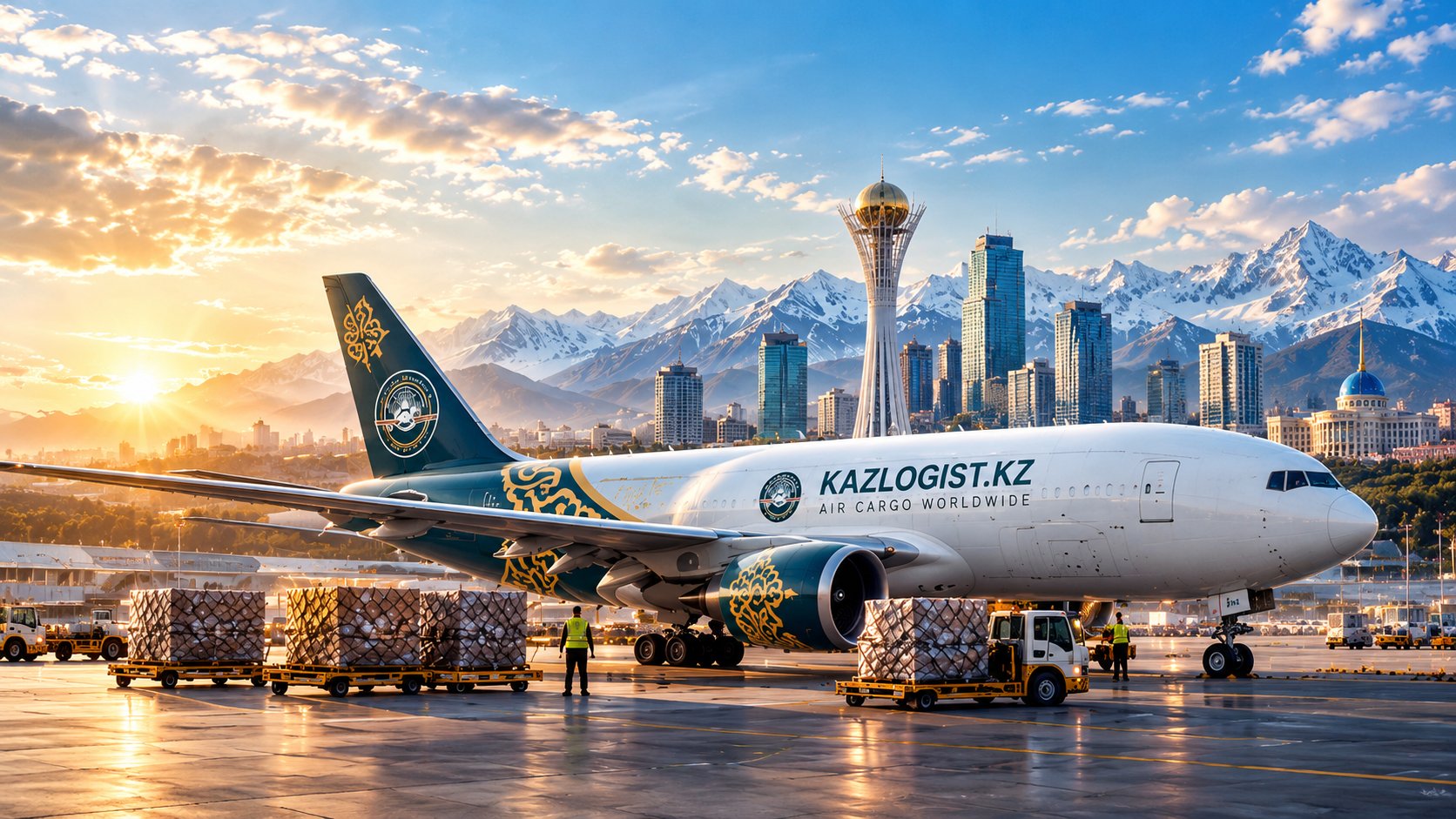
Natural loss is a reduction in cargo mass caused by its physical and chemical properties while maintaining quality. It is important to distinguish it from damage or theft. In air delivery conditions, mass is affected by specific factors: low humidity in the cargo hold, atmospheric pressure drops, and intense air circulation. KAZLOGIST.KZ specialists take these risks into account as early as the flight booking stage.
Physical Factors: Why Cargo Loses Weight During Flight
Air freight is the fastest but also the most specific method of transportation in terms of physics. At an altitude of 10,000 meters, environmental parameters in the cargo hold (even in heated ones) differ significantly from warehouse conditions. The main reasons for shrinkage include:
- Low Relative Humidity: During flight, air humidity in a pressurized cabin can drop below 10%. This triggers intense evaporation of moisture from any materials containing water (foodstuffs, plants, certain chemicals).
- Air Circulation: Aircraft air conditioning systems constantly renew the air, which accelerates the process of moisture desorption from the cargo surface.
- Pressure Fluctuations: Changes in pressure affect packaging integrity and can contribute to the partial evaporation of volatile fractions of liquid cargo.
KAZLOGIST.KZ recommends considering these factors when planning shipments from remote regions such as the USA (delivery time usually 5–8 days) or China (3–6 days), where the cargo's time in various climatic zones is maximized.
Cargo Categories with High Shrinkage Risk
Not all goods are subject to weight loss to the same extent. KAZLOGIST.KZ practice shows that importers of the following categories should be most attentive to loss norms:
- Perishables: Fresh fruits, vegetables, meat, and fish. Weight loss here is inevitable due to tissue respiration and evaporation.
- Live Plants and Flowers: Require strict adherence to temperature conditions but still lose mass due to transpiration.
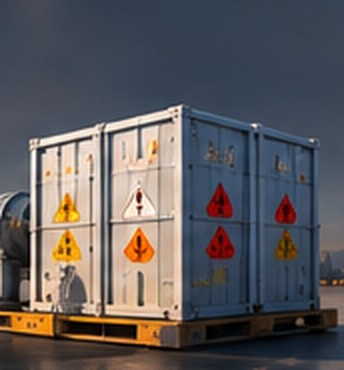
- Chemical Products and Liquids: Alcohol-containing substances, perfumes, reagents. Even when transported as dangerous goods (DGR) under IATA rules, minimal vapor diffusion is possible.
- Wet Raw Materials: Leather, natural fiber textiles, wood.
For such cargoes, KAZLOGIST.KZ offers special solutions, including the use of temperature loggers and thermal containers, which help stabilize the microclimate and reduce the percentage of shrinkage.
How Cost is Calculated When Weight Changes
In aviation, the rule is: payment is based on the greater of actual or volumetric weight. Volumetric weight is calculated using the formula: length × width × height (cm) / 6000. If the cargo lost 1-2 kg of actual weight during the flight, but its dimensions remained the same and the volumetric weight was initially higher than the actual weight, the shipping cost for the client will not change.
However, if payment is based on actual weight, discrepancies in departure and arrival data may raise questions for accounting and customs. KAZLOGIST.KZ always verifies the document package (invoice, packing list, AWB) before departure to minimize the risk of delays at the destination airport due to weight inconsistencies.
Practical Recommendations for Minimizing Losses
To ensure that natural loss norms do not become an unpleasant surprise, logisticians are recommended to follow these rules:
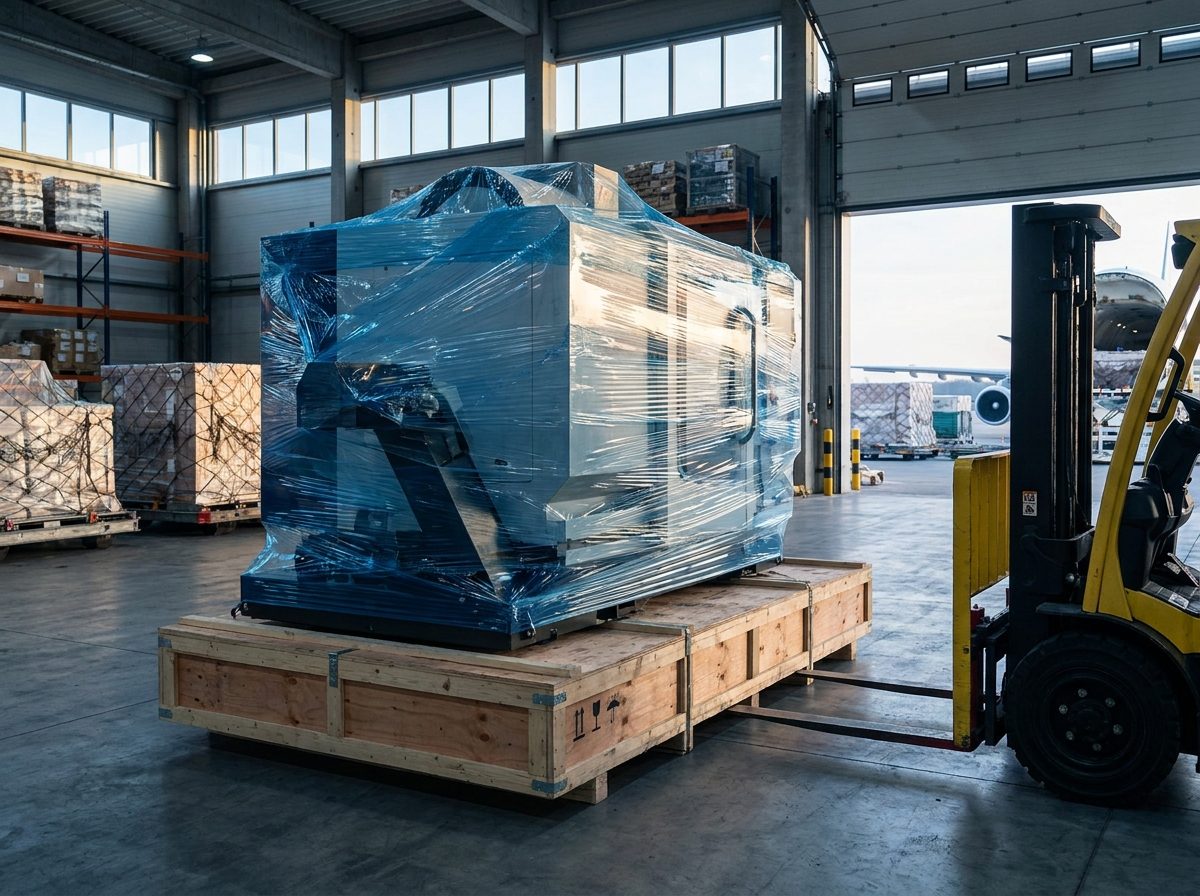
- Quality Packaging: Using stretch wrap, vacuum packaging, or specialized UN-rated containers for dangerous goods significantly reduces evaporation.
- Pre-cooling: For temperature-sensitive cargo, this is a mandatory step that reduces the intensity of internal processes in the product.
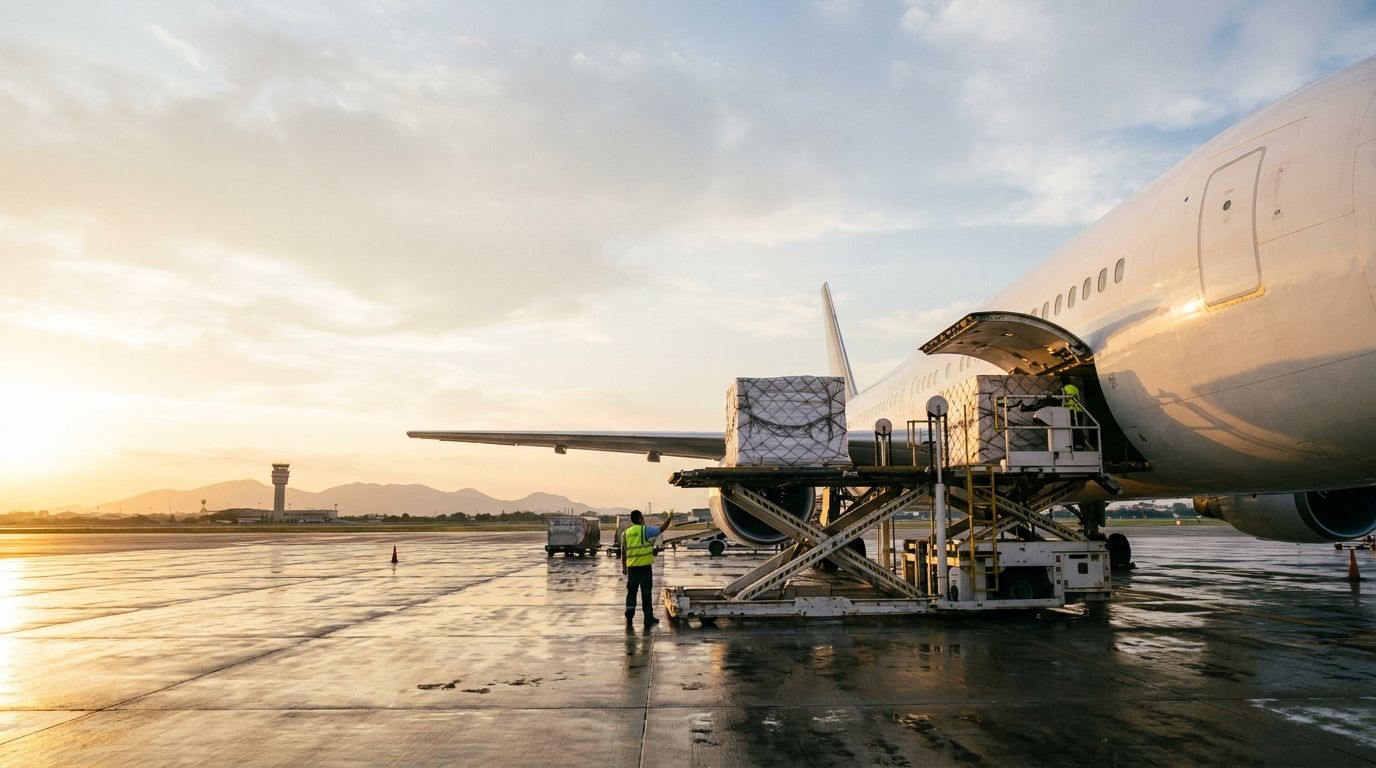
- Accurate Weighing: Use only calibrated scales at the shipper's warehouse. KAZLOGIST.KZ provides a photo report and check-weighing during cargo consolidation.
KAZLOGIST.KZ handles the entire cycle: from picking up the cargo from the shipper to customs support in Kazakhstan. We help correctly prepare documents so that natural loss is recognized as justified by regulatory authorities.
To obtain an accurate calculation of the international air freight cost for your cargo, considering its characteristics and route, please contact our specialists.