
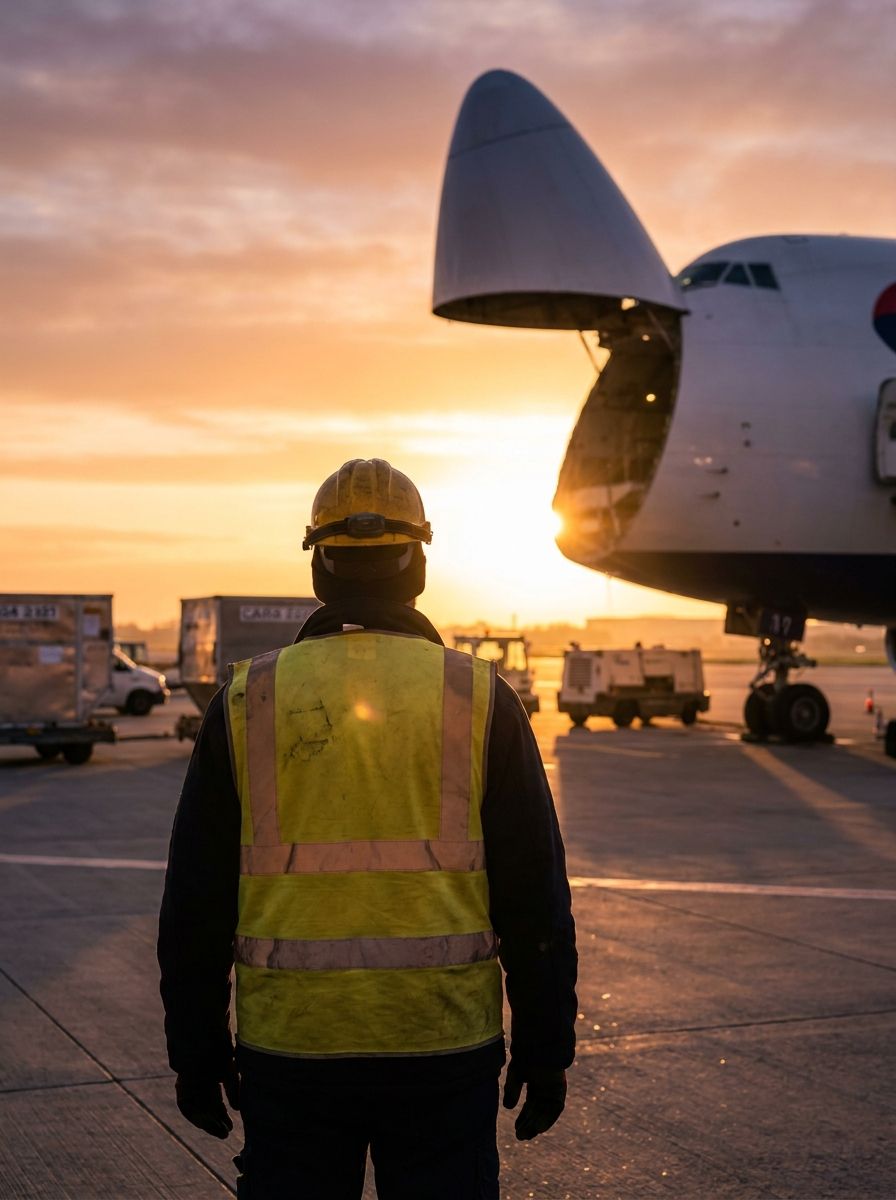

Why air freight beats sea and road for Kazakhstan
For buyers and logistics: when air from China, Europe, Turkey and the US saves cash cycle and downtime, and where sea and road burn time and money.
When “cheaper” is actually more expensive
A buyer compares the rate per kilo. A sea container and a truck look cheaper. In practice the freight line is only one part. Look at the full cycle: cash locked in goods, line downtime, penalties for a missed delivery, warehouse rent, sorting damage, and a reorder of a critical SKU. Air usually wins not on bulk raw materials but on fast-turning cargo, urgent spare parts, exhibition lots, samples and top-ups when downtime costs more than freight.
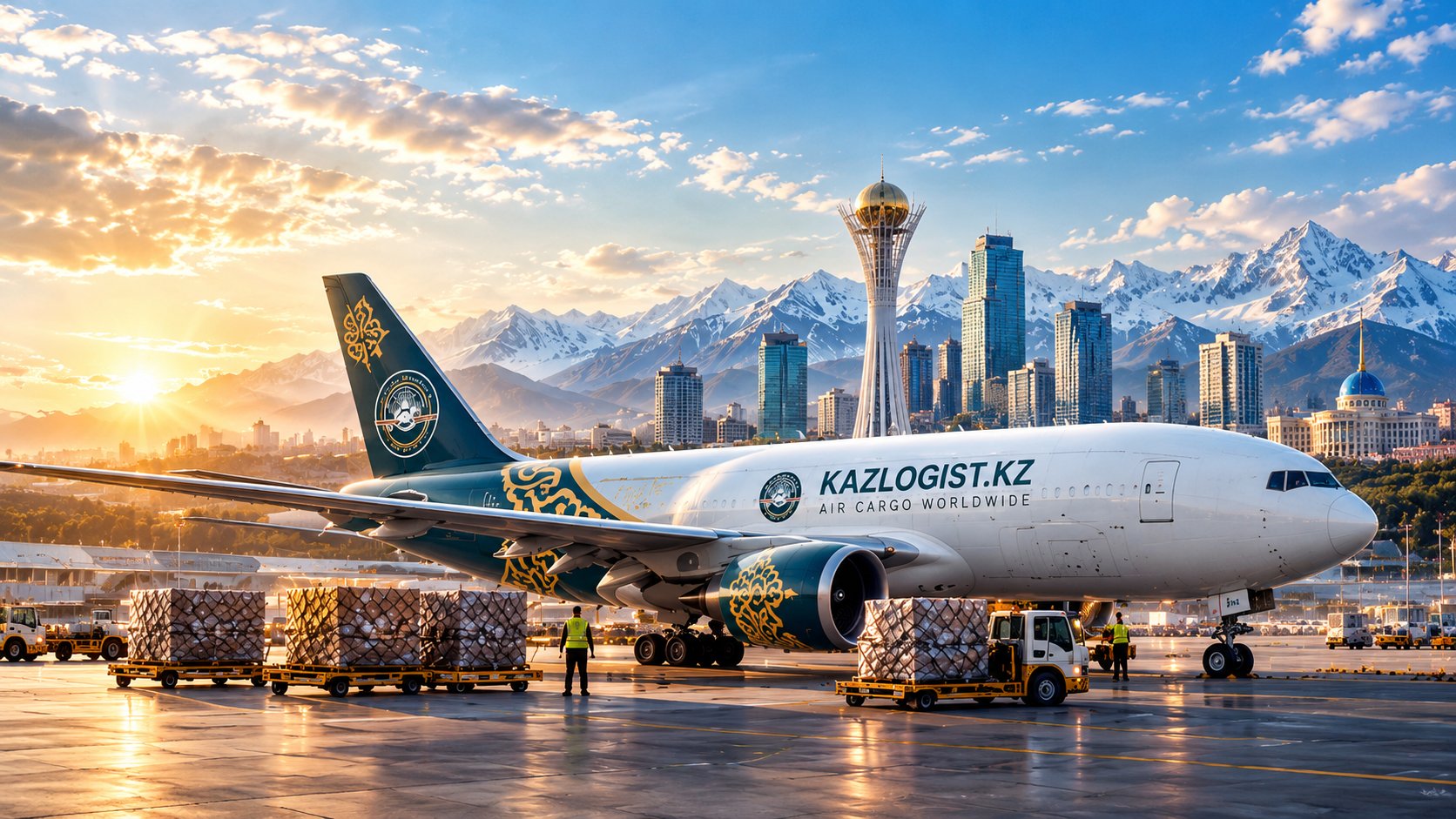
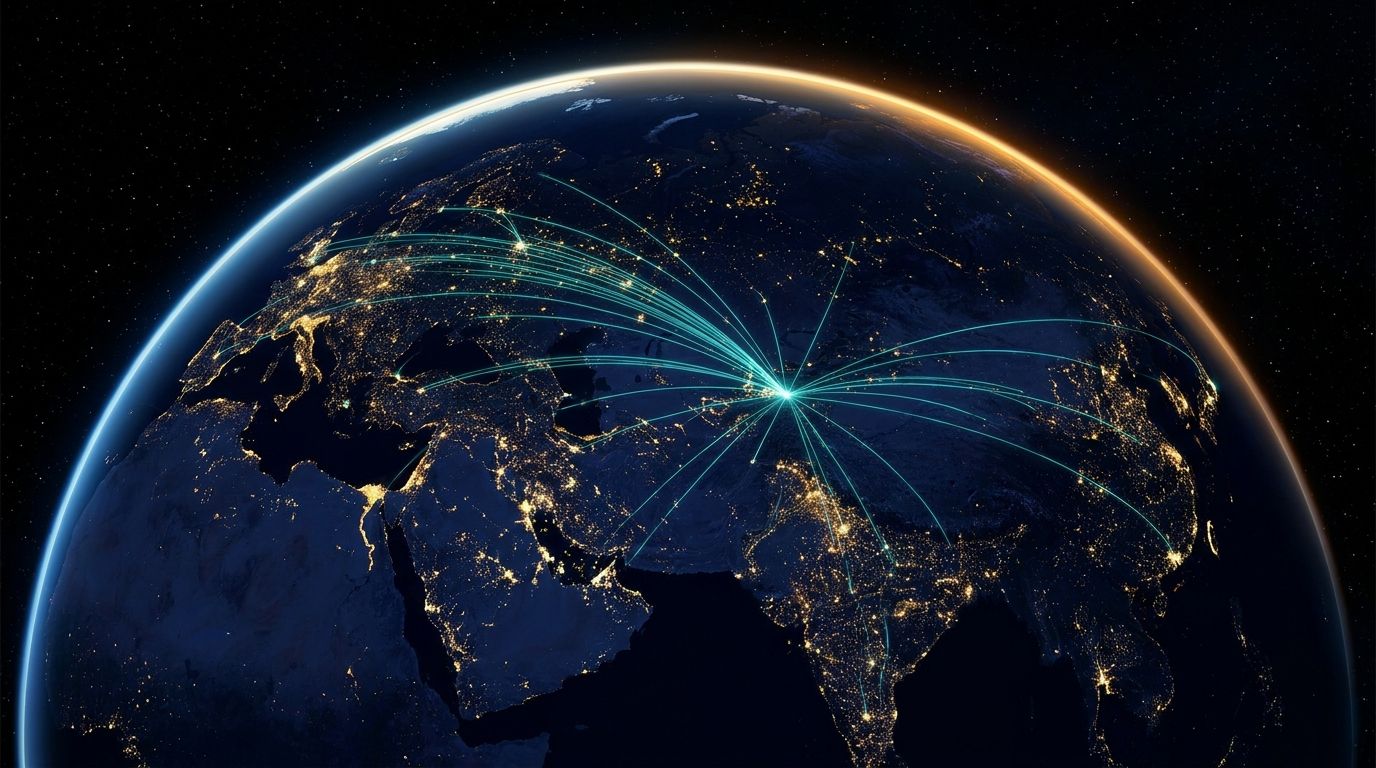
KAZLOGIST.KZ arranges international air cargo to Kazakhstan from Europe, China and Asia, the Middle East and the USA: pickup at the shipper, export clearance, AWB, space with partner airlines, delivery to the destination airport and the consignee. There is no minimum weight — from 1 kg to large commercial lots. Transit is counted from departure from the shipper’s warehouse to release at the destination airport; door delivery is usually plus one day. Typical ranges: Europe 3–5 days, China and Asia 3–6, Middle East 2–4, USA 5–8. Urgent shipments are usually 2–3 days if space is available.
Where time is lost: sea, road, air
Sea: waiting for a vessel and consolidation, transshipment ports, discharge queues, then truck or rail into Kazakhstan and inland depots. A delay on one leg shifts the whole calendar. Road from Europe or Turkey depends on border queues, quotas, season, roadworks and driver hours. China road also depends on weather windows and checkpoint capacity.
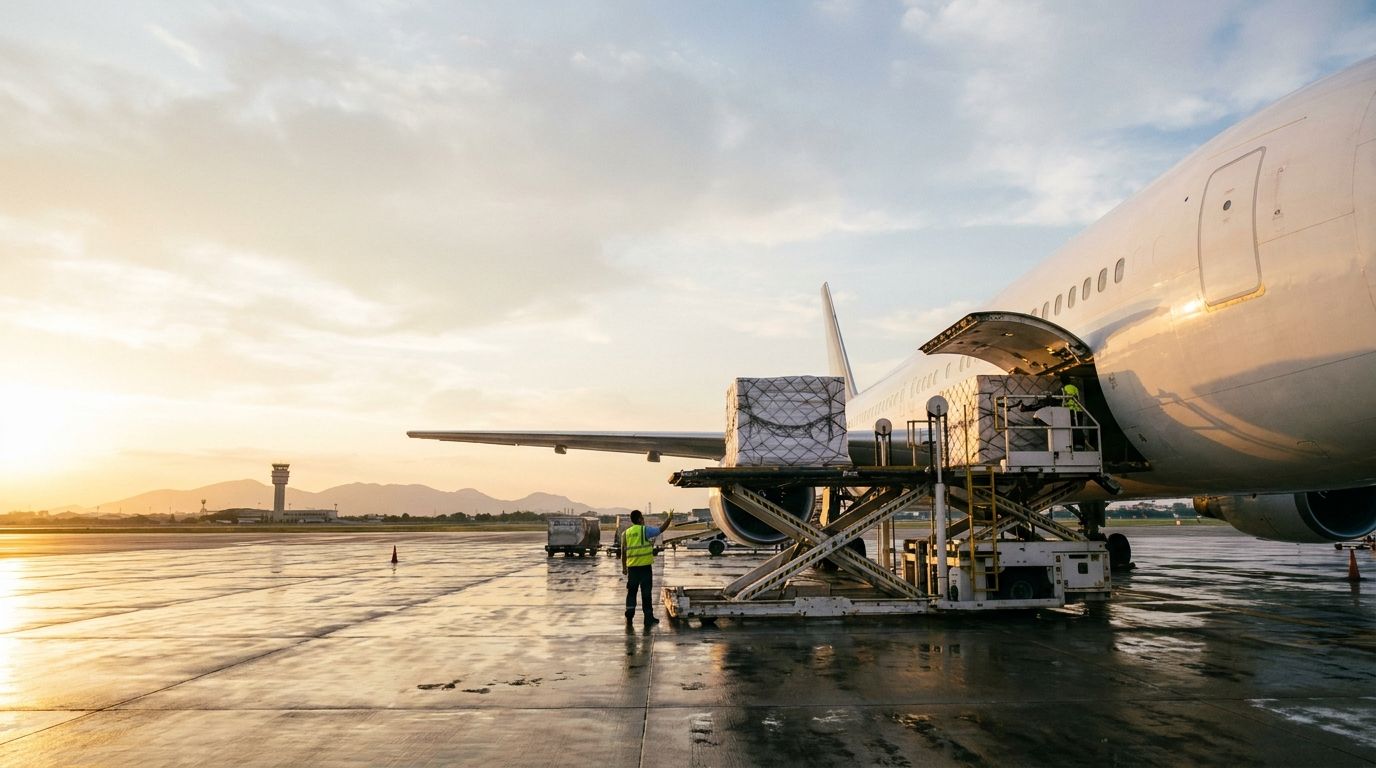
Air shortens the chain to a few nodes: shipper warehouse — export — flight — destination airport. Fewer handlings mean fewer chances to lose a slot, crush packing or leave cargo on a terminal. For urgent parts there is hand-carry and priority handling; for exhibitions — inbound and return. That is not a calendar guarantee, but the usual pattern when documents are ready and space is confirmed.
- Sea: long planning horizon, weak response to a top-up order.
- Road: unpredictable borders and yard idle time.
- Air: short cycle if weight, volume and cargo type are agreed in advance.
Where money is lost: weight, volume, idle time, damage
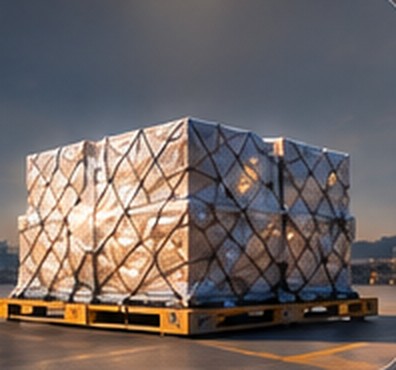
The airline charges the higher of actual and volumetric weight. Volumetric weight = length × width × height (cm) / 6000. Light, airy cartons hurt the air budget more than sea. Losses come from poor packing: empty space, weak carton, skipping palletizing. Warehouse work — consolidation from several suppliers, re-pack, palletizing, photo report — cuts volume and receiving claims.
The rate usually includes fuel and security surcharges, terminal handling, AWB and export declaration, pickup and delivery. The exact price is calculated after a request: route, weight, volume, cargo type, urgency. No ballpark tariffs — a working-hours calculation is usually within an hour after contacts.
Hidden sea and road costs: port demurrage and storage, truck idle, insurance on a long leg, spoilage of temperature-sensitive and high-value cargo, working capital frozen for weeks. Air keeps goods in transit for a shorter time — smaller cash gap and a shorter risk window. Insurance still needs a separate decision, but the exposure period is shorter.
What to fly and what to leave on sea
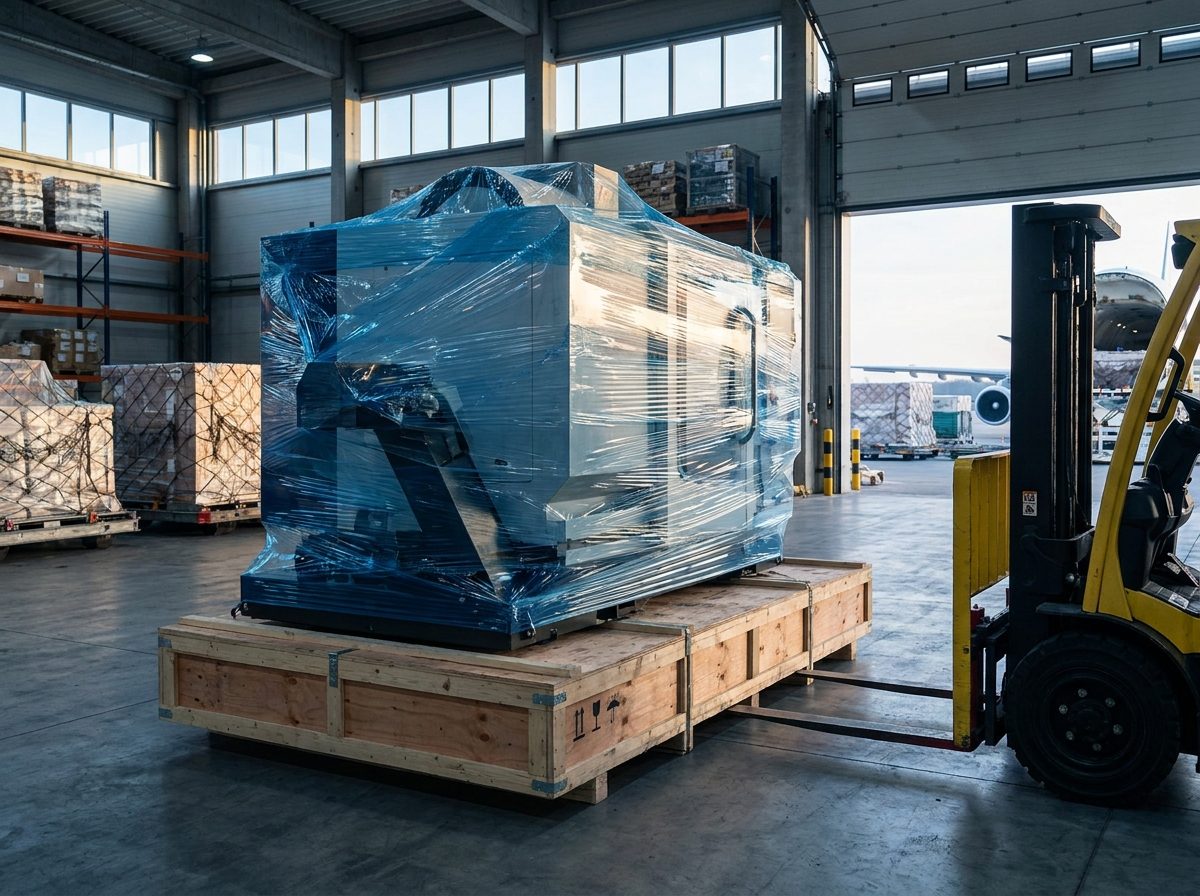
Air usually makes sense for: spare parts and components that stop a line; electronics and high-value SKUs; medicines, cosmetics and other temperature cargo in thermocontainers with loggers; samples and press lots; a top-up without which the customer shipment fails; out-of-gauge cargo that would wait for road permits, if a wide-body freighter, lashing and high-loader unloading are arranged.
Leave on sea and road: heavy commodities, large homogeneous lots without a hard deadline, stock that can sit. A mixed plan is often smarter than “air only”: the bulk by sea, the critical tail by air. Consolidating several suppliers into one departure saves pickups and paperwork.
Dangerous goods (DGR) — lithium batteries, aerosols, paints, reagents — only under IATA DGR: MSDS/SDS, UN packaging, marks, shipper’s declaration; some items cargo-aircraft only (CAO). Without SDS and marks the shipment is pulled before departure — you lose the slot and the downtime.
A buyer’s sequence
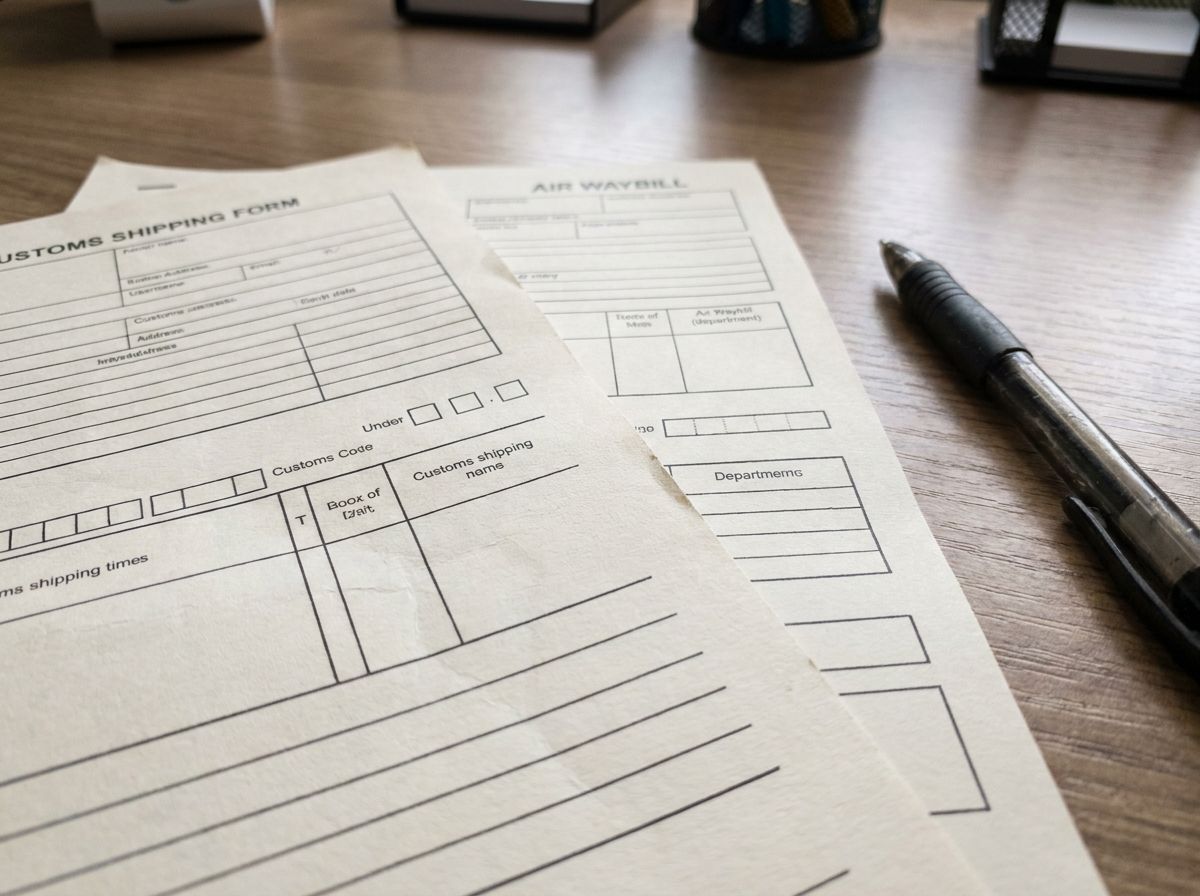
Collect by piece: gross weight, dimensions, packing photos, commercial invoice with HS codes, packing list, contract or supporting invoice. Origin certificate and permits if needed. The set is checked before departure: cheaper to fix an invoice at the shipper’s warehouse than to chase cargo on import into Kazakhstan.
- Lock the date the goods must be on the line or with the customer — plan backwards, not from “when freight gets cheaper”.
- Check volumetric weight: re-pack often pays for itself on one flight.
- State the type: general, DGR, temperature, valuable, OOG — aircraft and handling depend on it.
- Do not split suppliers without consolidation: extra pickups and AWBs burn time.
- Allow a day for door delivery after airport release.
Legal entities pay by bank transfer under contract. Terms for private shippers are confirmed by the manager. We work with companies and private senders; office in Almaty.
What to compare in the quote, not the “rate per kg”
Do not compare three freight numbers. Compare arrival date at your warehouse, cost of a downtime day, stock-out risk and the cost of a reorder. If sea saves on the kilo but delays a launch by weeks, air can be cheaper for the business. If cargo is light and bulky, squeeze packing first, then the mode. If it is DGR or temperature-controlled, compare only providers who close the rules and the handling chain — otherwise a “cheap” routing ends with offload.
To match route and mode to your cargo, leave contacts for a calculation: the manager will price air freight after weight, volume, type and lane.