

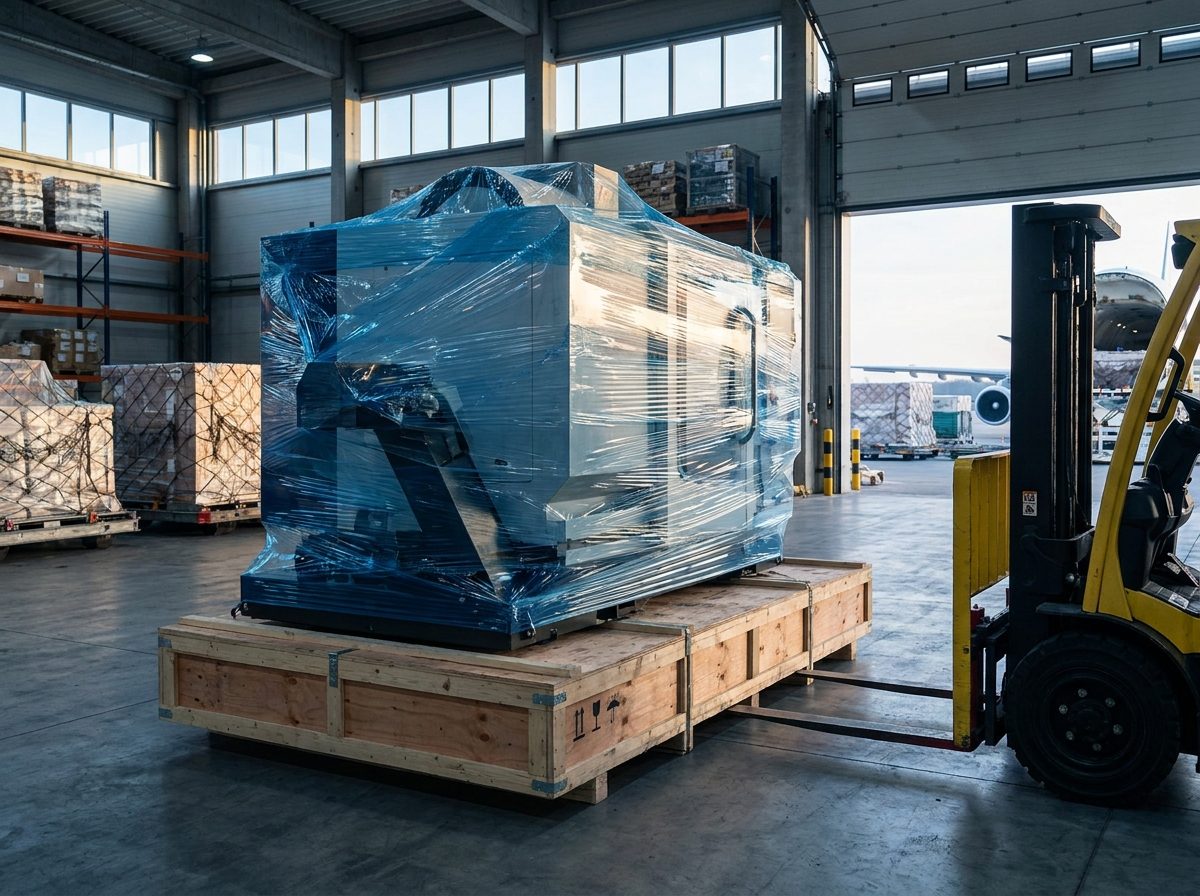



HS codes: who is responsible for the correct code
A wrong HS code delays release, changes duties and permits. Who owns classification on air import into Kazakhstan and how to check the code before departure.
Why the code matters more than it looks
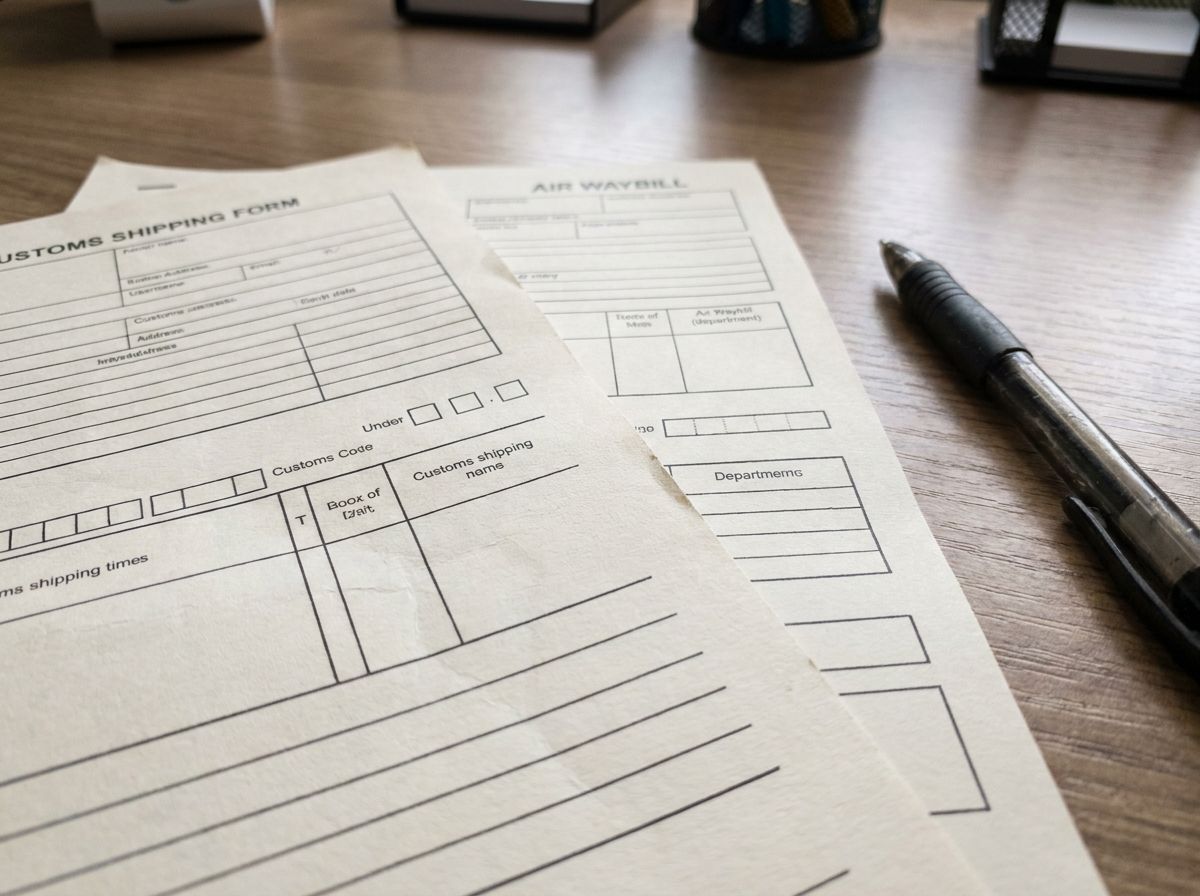
The HS / EAEU TN VED code drives duty, VAT, certificates, sanitary approvals and restrictions. A commercial invoice with HS codes is part of the mandatory import set for Kazakhstan, together with the packing list, air waybill (AWB), and the contract or supporting invoice. We check the document pack before departure, but the carrier does not replace classification: responsibility for the code sits with the party that declares the goods to customs.
Mistakes usually surface at release, not in the air. The cargo is already at the destination airport, yet the declaration fails because the invoice description does not match the code, or the code does not trigger the right permit. Air transit time is counted from leaving the shipper’s warehouse to handover at the destination airport; dwell after that is your storage cost and supply disruption.
Who is formally responsible
The declarant and the importer are accountable for the accuracy of the declaration, including the code. A supplier in China, Europe, Turkey or the US often inserts “their” code for local export — that is not a guarantee of correct EAEU classification. A customs representative helps select and justify the code, but the decision and misstatement risk remain with the person in whose name the declaration is filed.
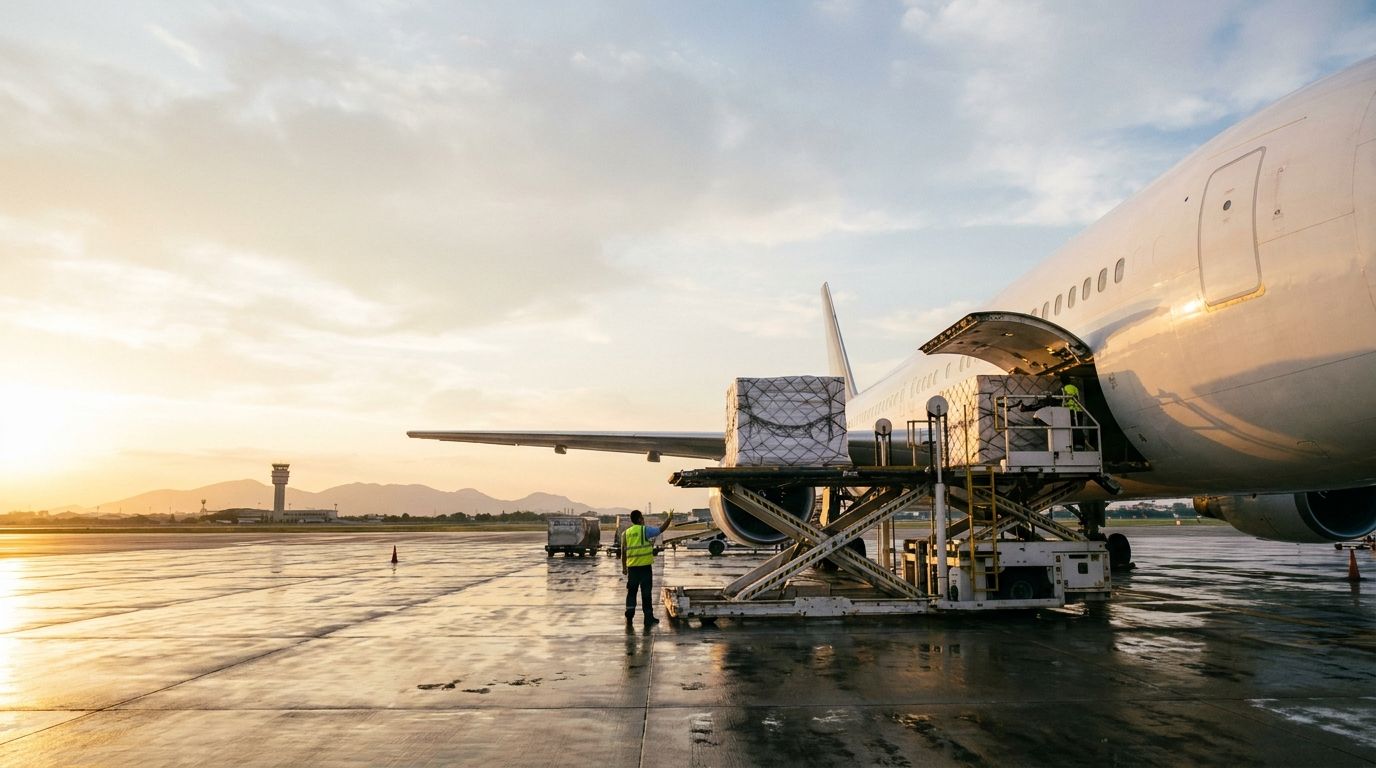
The air carrier issues the AWB, books space, collects the cargo and delivers it to the destination airport and consignee. It does not assign HS codes. Export clearance in the origin country follows its own rules and codes; they can differ from Kazakhstan’s classification even with a similar description.
- Importer / owner of the goods — ultimate responsibility for the code and documents.
- Supplier — source of description, composition and use; their code must be rechecked.
- Broker / customs representative — selection, justification, match to permits.
- Carrier — completeness of the pack before departure, not code choice.
Where money and time are lost
Typical failures: vague descriptions (“parts”, “electronics”, “fabric”) without material, function and kit; one code on a mixed invoice; reusing last contract’s code after a model change; ignoring batteries, chemicals or cosmetics that change classification and carriage rules. Dangerous goods need MSDS/SDS, UN packaging and a shipper’s declaration; some items move only on cargo aircraft. A wrong code here means not only a customs refusal but also offload from the flight.
Time loss: document requests after arrival, reclassification, declaration amendment, waiting for certificates. Money loss: storage, production idle time, refiling, disputes with the supplier over who pays for dwell. Chargeable weight and the airline rate are not tied to the code, but cargo type (DGR, temperature, outsize) affects routing and handling — that must be visible from the product description in advance.
What to do before booking the flight
Collect a working description, not a marketing invoice: commercial name, material, operating principle, completeness, intended use, photos or a tech sheet. Ask the supplier for composition, product datasheet, MSDS for chemicals and batteries, and a certificate of origin if needed. Cross-check the code against the current EAEU nomenclature and against the permits that code requires in Kazakhstan.
If there are many lines, split codes across invoice and packing-list rows (weight and dimensions per piece). Do not copy a Chinese HS code without mapping it to the 10-digit EAEU TN VED. Agree the code with the broker before packing and departure: changing the code after shipment often needs new certificates that will not arrive in time.
- Description detailed enough for classification, not a slogan.
- The same agreed code on invoice, contract and, where needed, permits.
- Pre-flight check: invoice, packing list, AWB, transaction basis, certificates.
- Separate control of DGR, temperature and outsize cargo — they change the flight and handling.
How to split roles with the logistics provider
KAZLOGIST arranges air freight to Kazakhstan from Europe, China and Asia, the Middle East and the USA: pickup at the shipper, export clearance, AWB, space with partner airlines, delivery to the airport and consignee. Customs support covers export at origin and assistance with import in Kazakhstan. Warehouse: consolidation, re-packing, palletising, photo report. Special cargo — IATA DGR, thermo containers and loggers, outsize on wide-body freighters.
Practical split: you (or your broker) lock the code and the permit scope; the logistics provider checks that documents are consistent and sufficient to fly, and that the description does not conflict with aviation rules. Indicative transits: Europe 3–5 days, China/Asia 3–6, Middle East 2–4, USA 5–8, urgent 2–3 days if space is available; door delivery usually plus one day. A manager prices by route, weight (the greater of actual and volumetric: cm / 6000), cargo type and urgency — no ballpark rates over the phone.
To avoid arguing about the code on the ramp, put classification in the same cycle as pickup: description and code first, then packing and booking. If unsure, obtain a written broker position rather than shipping “as is”.
Leave your contacts — we will calculate air freight for your cargo and route during business hours, usually within an hour of receiving the basics.