




How to work with suppliers on air freight to Kazakhstan
Procurement should align packing, documents, pickup readiness and HS codes with the supplier before pickup. Otherwise the cargo sits while the flight leaves.

Why agree with the supplier before booking a flight
Air freight to Kazakhstan starts at the shipper’s warehouse, not at the airport. Until the supplier confirms ready pieces, actual weight, dimensions and a document set, booking space is premature. Typical transit is 3–5 days from Europe, 3–6 from China and Asia, 2–4 from the Middle East, 5–8 from the USA, counted from departure of the shipper’s warehouse to release at the destination airport. If cartons are still being taped, those days have not started.
KAZLOGIST.KZ collects from the shipper, handles export, issues the AWB, books partner airlines and delivers to the destination airport and consignee. Without a clear contact on the supplier side, pickup fails.
What to request before the truck rolls
Collect before the pickup request:
- commercial invoice with HS codes and value;
- packing list with weight and dimensions per piece;
- photos of pieces and marks;
- contract or supporting invoice;
- certificate of origin and permits if required.
We check the pack before departure. Invoice vs packing-list mismatches delay export. Ask the supplier not to change the shipment after sign-off without a new list.
Dangerous goods need MSDS/SDS, UN packaging, marks and a shipper’s declaration. Some items fly cargo-only (CAO). Temperature-sensitive and high-value cargo need a separate plan: thermal containers, loggers, priority handling.
Where money is lost: weight, volume and “one extra carton”
Airlines charge the greater of actual and volumetric weight. Volumetric weight = length × width × height (cm) / 6000. Suppliers often quote “about 40×40×40”; tape, corners and void fill change the tape measure at pickup.
The rate includes per-kg charge, fuel and security, terminal handling, AWB and export declaration, pickup and delivery. The exact figure comes after a manager’s calculation: route, weight, volume, cargo type, urgency. No ballpark prices — leave contacts; a quote is usually within an hour on business days.
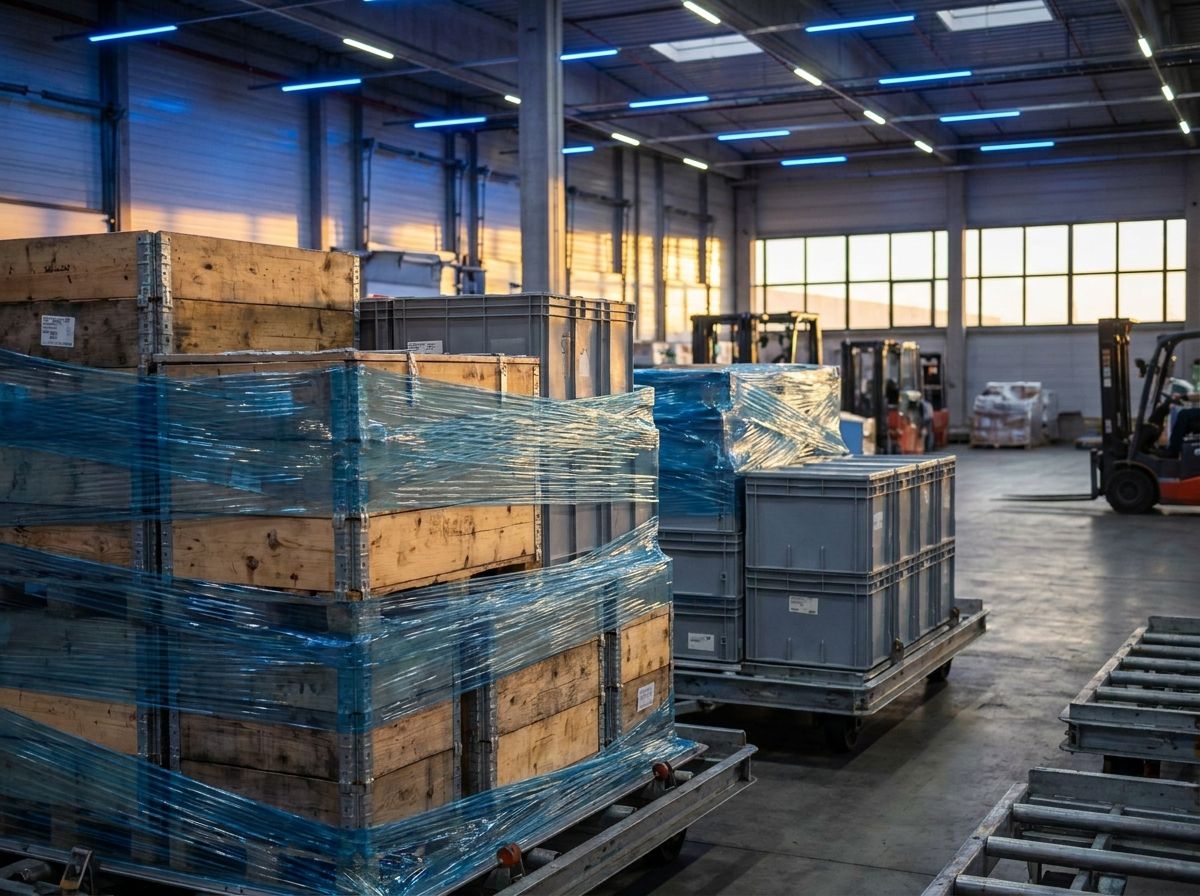
No minimum weight: from 1 kg to large lots. Consolidating several suppliers, re-packing and palletising with a photo report cuts pieces and flattens volume.
Procurement sequence
1. Lock Incoterms, warehouse address, hours, storekeeper contact, and whether a high-lift is needed for oversize.
2. Agree readiness: a date when cargo can be collected, not “sometime this week”.
3. Send invoice, packing list and photos. Full IATA set for DGR.
4. Do not add lines to a closed packing list. A new piece means a new volume calc and often a new flight slot.
5. Name one person at the supplier who signs the pickup note and is on site when the truck arrives.
Urgent moves are usually 2–3 days if space exists. Door delivery is typically plus one day. Hand-carry and charter are separate options for spare parts and exhibition cargo with return.
China, Europe, Turkey, USA: what to watch
Asia often ships many loose cartons without pallets — volumetric weight rises. Ask for palletising. European warehouses close early. In the USA check export controls and invoice descriptions. Turkey is convenient on Middle East timings, but marks on pieces must match the packing list in Latin letters and numbers, not only the factory SKU.
Legal entities pay by contract, bank transfer. Private senders — the manager confirms. Agents work under an agency agreement with commission on completed shipments.
To select a routing and calculate the move, leave contacts with a KAZLOGIST.KZ manager in Almaty: pickup, export, AWB and last-mile are priced on your actual pieces.